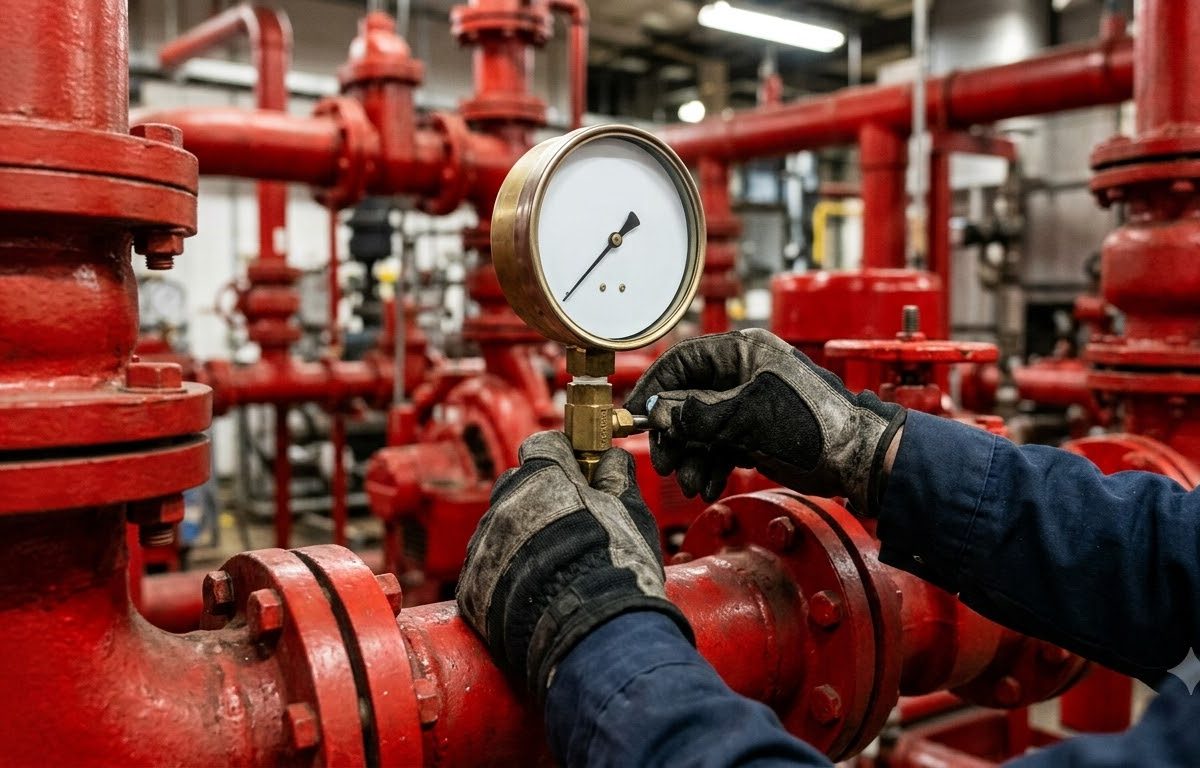
Every building, whether residential, commercial, or industrial, needs strong safety measures in place to reduce fire risk and improve emergency preparedness. A well-designed fire protection system plays a critical role in detecting fire early, controlling its spread, and supporting safe evacuation when emergencies occur. More than just a safety feature, it is an essential part of modern building design that helps protect people, property, and daily operations.
Why a Fire Protection System Is Important
Fire emergencies can develop quickly, causing serious damage in a short period. Fast detection and immediate response are vital for reducing risk and improving outcomes. This is where a professionally planned fire protection system becomes highly valuable, helping buildings respond effectively during critical moments.
Some major benefits include:
- Early fire and smoke detection
- Faster emergency alerts for occupants
- Better control of fire spread
- Improved evacuation safety
- Protection of infrastructure and valuable assets
- Enhanced emergency response support
- Stronger overall building resilience
These systems create a safer environment by combining prevention, response, and containment strategies.
What Does a Fire Protection System Include?
Modern fire safety systems are often made up of multiple components working together to improve protection across the entire property.
Common elements include:
- Fire alarm systems
- Smoke and heat detectors
- Automatic sprinkler systems
- Fire suppression equipment
- Smoke control systems
- Emergency lighting
- Fire-resistant barriers and containment systems
- Evacuation warning and communication systems
Each component contributes to a stronger and more coordinated fire safety approach.
Which Buildings Need Fire Protection?
The simple answer is—almost all properties benefit from proper fire safety planning.
This includes:
- Residential apartment buildings
- Commercial offices
- Retail stores and shopping centres
- Hotels and hospitality venues
- Healthcare facilities
- Schools and universities
- Warehouses and industrial sites
- Public infrastructure and transport buildings
Every building has different fire risks, making tailored safety planning important.
How Can You Improve Fire Safety in a Building?
This is a common question among property owners and managers.
Important steps include:
Regular System Testing
Routine inspections help ensure systems remain operational.
Modern Detection Technology
Advanced systems can improve response speed and accuracy.
Proper System Integration
Connecting alarms, suppression, and containment systems improves performance.
Ongoing Risk Assessment
Regular reviews help identify safety gaps as building needs change.
Final Thoughts
Creating a safer building starts with smart planning and reliable safety infrastructure. Whether for homes, businesses, or large facilities, an effective fire protection system helps improve emergency readiness, reduce fire risk, and support stronger, more resilient spaces built with long-term safety in mind.