
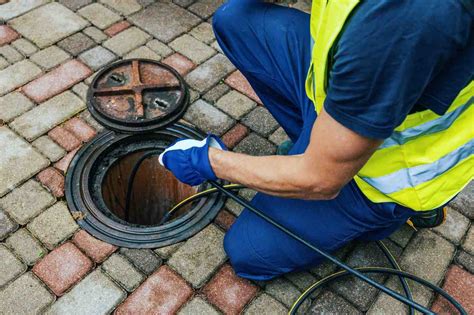
Sewer problems rarely improve when left unattended. A drain that repeatedly empties slowly, unexplained wastewater odours or unusual sounds from plumbing fixtures can indicate an issue somewhere within the drainage system. Identifying the cause early can help property owners respond before the problem develops further.
Professional sewer services can cover investigation, blockage removal, repairs and other work required to restore or maintain drainage systems. Understanding when professional attention may be necessary is particularly useful because different sewer problems can produce similar symptoms.
Not Every Blockage Has the Same Cause
A blocked sewer line can develop for several reasons, and identifying the cause is important before deciding how it should be addressed.
Potential contributors can include:
- Accumulated grease or waste
- Inappropriate materials entering drains
- Tree-root intrusion
- Damaged or deteriorated pipes
- Displaced pipe joints
- Foreign objects
- Structural problems within the drainage line
Repeatedly clearing a blockage without investigating why it returns may provide only temporary relief.
Warning Signs Should Be Considered Together
One slow fixture does not necessarily mean there is a problem with the main sewer line. However, several drainage problems occurring at the same time can warrant further investigation.
Warning signs can include:
- Multiple fixtures draining unusually slowly
- Toilets that repeatedly struggle to flush normally
- Gurgling sounds from drains
- Wastewater backing up through fixtures
- Persistent unpleasant odours
- Wet or unusually damp areas around drainage infrastructure
- Blockages that return after being cleared
The location and combination of symptoms can help a suitably qualified professional determine where further investigation is required.
Inspection Can Help Locate the Actual Problem
Modern sewer services may use diagnostic equipment to investigate sections of pipe that cannot otherwise be inspected easily.
Depending on the circumstances, a drain camera may be used to examine the inside of a drainage line. This can help identify obstructions, root intrusion, damaged sections or other visible problems and establish their approximate location.
Diagnosis matters because different faults require different responses. Removing an obstruction will not repair a collapsed pipe, while replacing pipework may be unnecessary when the problem is a straightforward blockage.
Clearing a Sewer Line Requires the Right Method
There is no single blockage-removal technique appropriate for every drainage problem.
Mechanical equipment may be suitable in some circumstances, while high-pressure water jetting can be used for certain types of obstruction or accumulated material. The condition and configuration of the pipe also need to be considered before a method is selected.
Chemical drain products should be approached cautiously. They may not resolve structural problems or substantial obstructions and can introduce additional risks if used incorrectly.
Where the cause is uncertain or the problem is recurring, proper investigation is generally more useful than repeatedly attempting short-term fixes.
Tree Roots Can Indicate a Larger Pipe Problem
Tree roots are commonly associated with drainage blockages, but their presence may point to an underlying entry point.
Roots generally require an opening through which to enter a pipe, such as a damaged joint, crack or other defect. Removing roots may restore flow, but the condition that allowed them to enter may still need attention.
Where root intrusion repeatedly occurs, investigating the integrity of the affected pipe can help determine whether further repair work is appropriate.
Repair Options Depend on Pipe Condition
A damaged sewer does not always require exactly the same type of repair.
The appropriate method depends on factors such as the location and extent of the damage, pipe material, accessibility and overall condition of the drainage system.
In some situations, excavation and replacement may be required. Other circumstances may allow alternative repair techniques. A proper assessment should determine which option is technically suitable rather than selecting a method solely because it involves less disruption.
What to Do if Wastewater Starts Backing Up
A sewer backup requires prompt attention because wastewater can create hygiene risks and damage surrounding materials.
If wastewater begins entering the property:
- Avoid using toilets, sinks, showers and other fixtures that discharge into the affected system.
- Keep people and pets away from contaminated areas.
- Avoid direct contact with wastewater.
- Arrange appropriate professional assistance.
- Do not use electrical equipment in affected areas where water creates an electrical risk.
The priority is to prevent additional wastewater from entering the affected drainage line while the problem is investigated.
Maintenance Should Reflect the Property
There is no universal rule that every Australian home requires sewer inspection at the same fixed interval.
The appropriate approach depends on factors such as the age and condition of the drainage system, previous blockages, surrounding vegetation and known pipe defects.
Properties experiencing recurring drainage problems may benefit from investigation rather than waiting for another complete blockage. Conversely, unnecessary intervention in a system showing no signs of trouble may provide limited value.
Good maintenance is therefore based on the property’s actual condition and history.
Choosing Sewer Services for the Problem at Hand
When professional sewer services are required, property owners should look beyond whether a provider can simply clear a drain. The ability to investigate the underlying problem and explain suitable repair options can be equally important.
Relevant licensing requirements should also be checked, as plumbing and drainage work in Australia is regulated at state and territory level.
A well-informed response begins with determining what has gone wrong, where the fault is located and whether the proposed work addresses the underlying cause rather than only the immediate symptom.
FAQs
What are common signs of a sewer problem?
Recurring blockages, slow drainage across multiple fixtures, gurgling, wastewater backups and persistent odours can indicate that professional investigation is required.
Does every blocked sewer need a camera inspection?
Not necessarily. The appropriate diagnostic method depends on the circumstances. Recurring or unexplained problems may make further inspection particularly useful.
What should I do during a sewer backup?
Stop using fixtures connected to the affected drainage system, avoid contact with wastewater and arrange appropriate professional assistance as soon as possible.