
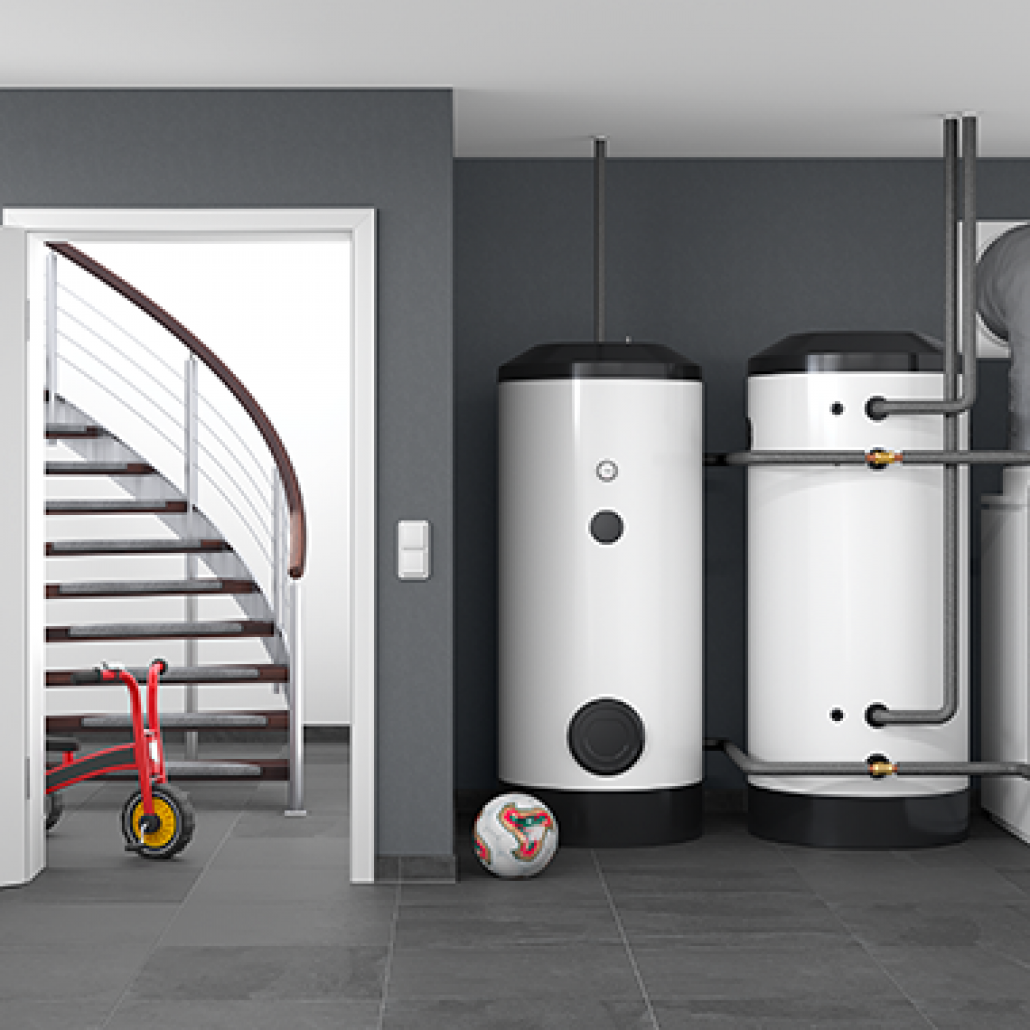
As the world seeks more sustainable and energy-efficient heating solutions, hydronic heat pump system have gained prominence for their ability to provide both warmth and environmental benefits. Combining the efficiency of heat pumps with the comfort of hydronic heating, these systems offer a versatile and eco-friendly approach to keeping our spaces cosy. This article will delve into the different types of hydronic heat pump systems, showcasing their diverse applications and advantages.
Understanding Hydronic Heat Pump Systems
Hydronic heat pump systems are a fusion of two technologies: heat pumps and hydronic heating. A heat pump extracts heat from the surrounding environment (air, water, or ground) and transfers it indoors, creating a warming effect. When coupled with a hydronic heating system, which uses water to distribute heat, the result is a highly efficient and comfortable heating solution.
Types of Hydronic Heat Pump Systems
Air-to-Water Heat Pump Systems:
This system extracts heat from the ambient air and transfers it to water, then circulates it through pipes or panels to radiate warmth throughout the space. Air-to-water heat pump systems are versatile and can be used for residential and commercial applications. They are particularly well-suited for moderate climates where the outdoor air temperature remains above freezing.
Water-to-Water Heat Pump Systems:
Water-to-water heat pumps extract heat from a water source, such as a well or a pond, and transfer it to another water loop that circulates through the building’s heating distribution system. These systems are ideal for locations with a reliable water source and are commonly used in applications like radiant floor heating and pool heating.
Ground Source (Geothermal) Heat Pump Systems:
Ground source heat pumps utilise the relatively constant temperature of the earth to provide heating and cooling. They extract heat from the ground through a loop of pipes buried underground. These systems offer high efficiency and are well-suited for areas with varying climate conditions. They are also known for their long lifespan and minimal environmental impact.
Hybrid Heat Pump Systems:
Hybrid systems combine a heat pump with a traditional heating source, such as a gas or oil boiler. This setup allows for flexibility, with the heat pump taking the lead during milder weather and the secondary source kicking in during colder periods. Hybrid systems provide the benefits of both technologies, optimising energy consumption and ensuring consistent warmth.
Advantages of Hydronic Heat Pump Systems
Eco-Friendly:
By using renewable energy sources like air, water, or ground heat, these systems reduce greenhouse gas emissions and contribute to a greener future.
Consistent Comfort:
The radiant heat distribution of hydronic systems ensures even warmth and eliminates the discomfort caused by drafts associated with forced-air systems.
Quiet Operation:
Heat pumps are known for their quiet operation, enhancing the overall comfort of indoor spaces.
Conclusion
Hydronic heat pump systems are at the forefront of energy-efficient heating technology. With their ability to harness the energy from the environment and distribute it through water-based systems, they offer a reliable, eco-friendly, and comfortable way to keep indoor spaces warm. Whether you opt for an air-to-water, water-to-water, ground source, or hybrid system, the advantages are clear: reduced energy consumption, minimised environmental impact, and enhanced comfort. As move towards a more sustainable future, hydronic heat pump systems are undoubtedly a promising solution for our heating needs.