
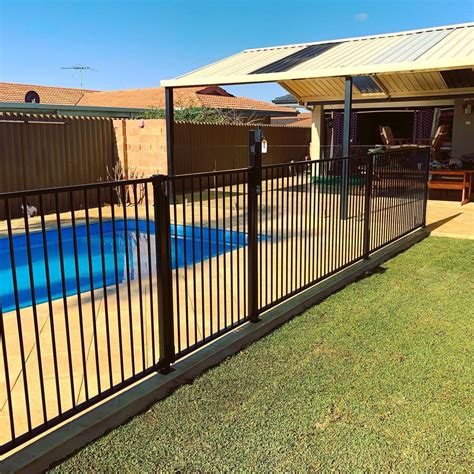
A swimming pool can become a central part of an outdoor living area, but its design cannot be considered separately from the safety barrier surrounding it. Pool fencing needs to restrict unsupervised access while also working with the property’s layout, landscaping and environmental conditions.
For homeowners considering pool fencing in Wollongong, compliance should come before aesthetics. NSW swimming pool requirements are detailed, and seemingly minor issues involving gates, gaps or nearby objects can affect whether a barrier performs as intended.
Understand the Compliance Requirements First
Pool fencing requirements can vary according to factors such as when the pool was constructed, the type of property and the applicable legislation or standard.
Rather than relying on a single measurement or general rule, homeowners should confirm the current requirements that apply to their particular pool.
Important considerations can include:
- Minimum barrier dimensions
- Maximum allowable gaps
- Non-climbable zones
- Gate construction and operation
- Position of nearby objects
- Condition of the complete barrier
- Applicable Australian Standards and NSW requirements
Local council information and appropriately qualified professionals can help clarify which requirements apply.
Pay Particular Attention to the Gate
A pool gate is one of the most frequently used parts of the barrier and deserves careful attention.
It should operate in accordance with the applicable requirements, including relevant self-closing and self-latching provisions. A gate that needs to be pushed shut manually can compromise the effectiveness of the entire enclosure.
Regularly test the gate from different open positions and check that hinges, latches and surrounding components continue to operate correctly.
Choose Materials for the Environment
Wollongong’s coastal environment can expose outdoor structures to moisture and airborne salts. Material specifications and finishes therefore deserve consideration when planning pool fencing in Wollongong.
Common options include glass and aluminium, each with different practical characteristics.
Glass Pool Fencing
Glass can provide an open appearance and maintain sightlines between the pool and surrounding entertaining areas. Depending on the design, it may be frameless, semi-frameless or supported by other hardware.
Its fittings and components should be suitable for the installation environment, and glass surfaces will require cleaning to maintain their appearance.
Aluminium Pool Fencing
Aluminium fencing can provide a lighter visual profile and is available in numerous colours and configurations. Powder-coated finishes are commonly used for additional protection and aesthetic flexibility.
While aluminium does not rust in the same way as untreated steel, appropriate product specifications and maintenance remain important in coastal environments.
Do Not Create New Climbing Opportunities
A compliant barrier can become less effective when objects are subsequently placed nearby.
Outdoor furniture, pot plants, storage boxes, barbecues and landscaping elements may create footholds or climbing opportunities depending on their position. Vegetation can also grow over time and change the conditions around a fence.
This makes pool safety an ongoing responsibility rather than something that is addressed only when the fence is installed.
Balance Visibility and Privacy
Some homeowners want clear visibility of the pool from adjoining areas, while others place greater emphasis on privacy.
Glass can preserve visual connection with the pool, while selected screening or fencing configurations may offer greater privacy. However, decorative additions and screening elements should never compromise applicable safety requirements.
The best solution depends on the property’s layout and the locations from which adults are likely to supervise the pool area.
Consider the Ground and Surrounding Structures
The fence itself is only one part of the installation.
Sloping land, retaining walls, garden beds, steps and changes in ground level can influence barrier design. Gates also require suitable clearances and stable supporting structures to continue operating correctly.
These factors should be assessed before materials are ordered rather than adjusted after installation begins.
Coastal Maintenance Still Matters
Materials marketed as durable still require appropriate care.
Salt, dirt and environmental contaminants can accumulate on glass, aluminium and metal fittings. Cleaning according to manufacturer recommendations can help maintain appearance and allow early identification of deterioration or damaged components.
Pay particular attention to:
- Gate hinges
- Latches
- Fasteners and fittings
- Powder-coated surfaces
- Glass hardware
- Changes in ground clearance
- Loose or damaged fence sections
Any defect that affects barrier performance should be addressed promptly.
Check the Fence After Landscaping or Renovations
Changes elsewhere in the backyard can unintentionally affect pool safety.
New decks, garden structures, retaining walls, furniture or landscaping may alter access around the barrier or create climbable areas that did not previously exist.
For this reason, pool fencing in Wollongong should be reassessed whenever substantial changes are made around the pool area.
Design Comes After Safety
Pool fencing can certainly contribute to the appearance of an outdoor space. Colours, profiles and materials can be coordinated with the home’s architecture, paving and landscaping.
However, aesthetic decisions should always be made within the applicable safety framework.
A successful pool barrier is one that combines appropriate materials and thoughtful design without compromising its primary purpose: restricting unsupervised access to the swimming pool.
Frequently Asked Questions
Is all pool fencing required to be 1.2 metres high?
Requirements depend on the type and circumstances of the barrier. Do not rely on one general measurement; confirm the standards applicable to your particular pool.
Can glass be used for pool fencing?
Yes, provided the complete barrier, glass and associated components comply with applicable requirements.
Does a pool gate need to close automatically?
Pool gates are subject to specific operational requirements, including applicable self-closing and self-latching provisions. The complete installation should be checked for compliance.
Is aluminium suitable for coastal properties?
Aluminium can be suitable, but coating specifications, component quality, exposure and maintenance should all be considered.
Can landscaping affect pool fence compliance?
Yes. Plants, furniture, retaining structures and other objects around a barrier can potentially create climbing opportunities or otherwise affect compliance.


