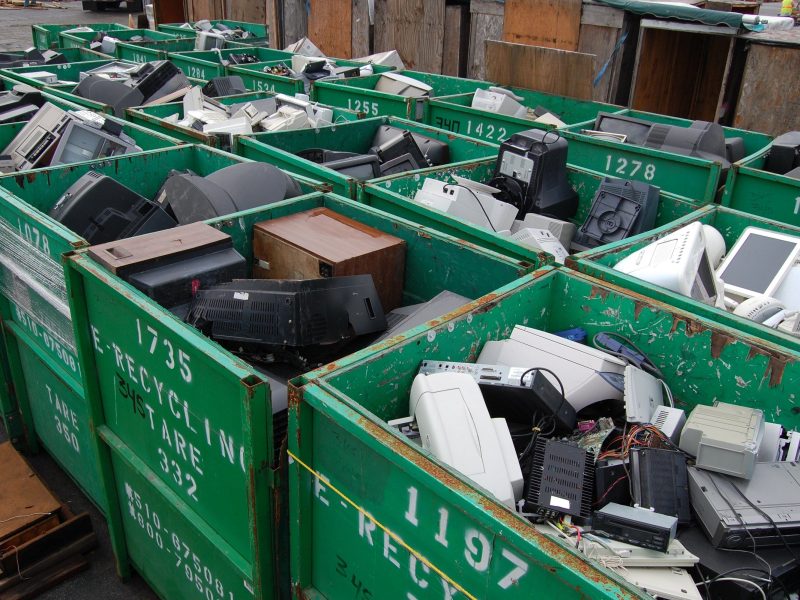
Technology constantly evolves in today’s fast-paced digital world, making our computers and electronic devices quickly outdated. Fast technological innovation results in considerable computer waste, also known as e-waste. However, we can recycle these obsolete devices into sustainable resources with computer waste. Let’s delve into the importance and benefits of computer waste recycling, highlighting its impact on the environment, economy, and society.
Environmental Benefits
- Reduction of Landfill Waste
Computers and electronic devices contain hazardous materials such as lead, mercury, and cadmium. When improperly disposed of in landfills, these toxic substances can contaminate soil and water, posing significant environmental risks. Recycling computer waste ensures that these harmful components are safely extracted, preventing them from polluting the environment.
- Conservation of Natural Resources
The manufacturing process of electronic devices requires significant amounts of raw materials, including metals, plastics, and precious resources like gold and silver. By recycling computer waste, we reduce the need for extracting new resources, conserving energy and preserving our planet’s finite resources.
- Minimization of Energy Consumption
Producing new computers and electronic devices consumes substantial amounts of energy. On the other hand, recycling computer waste requires significantly less energy than manufacturing from scratch. Recycling saves energy, lowers emissions of greenhouse gases, and combat climate change.
Economic Benefits
- Resource Recovery and Reuse
Computers and electronic devices contain valuable components and metals that can be recovered and reused. Recycling computer waste allows for extracting precious metals like gold, silver, and copper, which can be used to produce new electronic devices. This resource recovery process contributes to the circular economy and reduces dependence on mining for raw materials.
- Job Creation and Economic Growth
The computer waste recycling industry presents substantial job creation and economic growth opportunities. Recycling facilities require skilled workers for disassembly, sorting, refurbishment, and component extraction. Investing in computer waste recycling stimulates the economy and creates employment opportunities within local communities.
- Cost Savings for Businesses
Proper computer waste recycling can result in cost savings for businesses. Instead of disposing of obsolete computers as waste, organisations can recycle them, potentially earning revenue from selling recovered materials. Additionally, recycling eliminates costs associated with landfill disposal fees and waste management.
Social Benefits
- Digital Inclusion
Computer waste recycling plays a vital role in bridging the digital divide. By refurbishing and repurposing functioning computers, we can provide access to technology for underprivileged communities, schools, and nonprofit organisations. This promotes digital inclusion and equal education, employment, and social development opportunities.
- Data Security and Privacy
Discarded computers may still contain sensitive and confidential information. Improper disposal of these devices poses a risk of data breaches and identity theft. Computer waste recycling ensures secure data destruction through certified processes, safeguarding individuals’ privacy and protecting against potential security threats.
Individuals, corporations, and governments must all
recognise the importance of proper computer waste disposal and actively support recycling initiatives. Doing so can unlock the potential of computer waste and open the way to a more sustainable world. Together, let’s harness the power of computer waste recycling and embrace the transformative journey from obsolete to sustainable.