
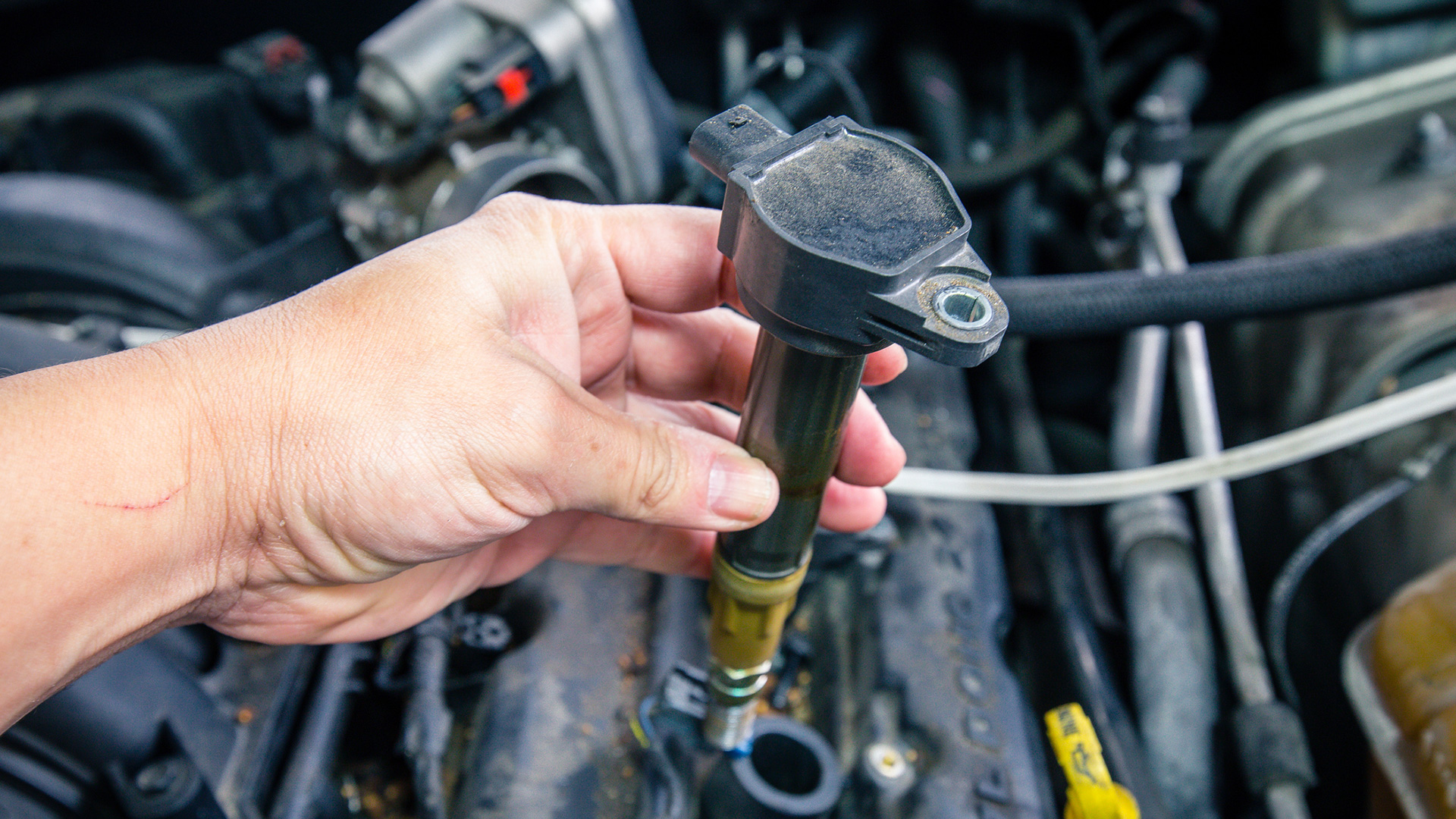
Why The Car Ignition Coil Is More Important Than You Realize?
As you turn on your car, a complex sequence of electrical and mechanical reactions is triggered, awakening your engine. The central figure of this ignition process is an essential yet easily taken-for-granted element—the car ignition coil. It may be tiny, but this powerful little unit takes the battery’s low voltage and turns it into the high-voltage sparks necessary to combust the fuel-air mixture within your engine’s cylinders. Without it, your car won’t even move.
If you have a history of engine misfires, lousy fuel efficiency, or starting issues, there’s a good chance that your car ignition coil needs attention. Knowing how this equipment works, how to care for it, and when to replace it can spare you from expensive repairs and annoying breakdowns.
The Science Behind The Car Ignition Coil: How It Powers Your Engine?
A car ignition coil is a transformer that steps up the voltage from your battery. Here’s how it does it:
- Step 1:
Voltage Conversion – The battery feeds the ignition coil about 12 volts.
- Step 2:
Magnetic Induction – The coil employs a primary and secondary winding system to produce an electromagnetic field.
- Step 3:
High-Voltage Discharge – This electromagnetic field collapses quickly, creating a high-voltage surge (as much as 50,000 volts).
- Step 4:
Ignition of the Spark Plug – The high-voltage electricity is dispatched to the spark plugs to burn the fuel-air mixture within the engine cylinders.
If there isn’t a correctly working ignition coil, the entire ignition system falters and causes the engine to run drastically poorly.
Indications Of A Failing Auto Ignition Coil: Don’t Ignore These Warning Signs
A malfunctioning ignition coil can be displayed in several forms. These are some common warning signs that your car ignition coil needs urgent replacement:
Engine Misfires:
If there is a sudden jerking or lag while driving, your ignition coil might be about to fail.
Difficulty Starting:
A poor spark will make it more difficult for your engine to start, particularly during cold temperatures.
Poor Gas Mileage:
A defective ignition coil causes your engine to labour harder, burning more gas than it should.
Check Engine Light:
Newer cars sense the failure of an ignition coil and light up a warning lamp on your dashboard.
Rough Idling:
An irregular spark will cause your engine to idle sporadically, resulting in chugging and unwanted noise.
Reduced Power:
If your vehicle is sluggish or slow to accelerate, it may be because your ignition coil is at fault.
Choosing The Right Ignition Coil: Quality Matters
Not all ignition coils are created equal. When replacing a car ignition coil, consider the following factors:
- Compatibility: Ensure the ignition coil matches your car’s make, model, and engine specifications.
- Brand Reputation: Stick to trusted brands known for durability and performance.
- Coil Type: Different ignition systems use different coil designs—single coil, coil pack, or coil-on-plug—so choose accordingly.
- Heat Resistance: A good ignition coil should resist scorching engine heat without deteriorating.
- Warranty: Consider coils that have a manufacturer’s warranty to ensure reliability.
Diy Vs. Professional Replacement: Do You Need To Do It Yourself?
Changing a car ignition coil is a moderately challenging task. If you’re handy, you can save yourself labour expenses by doing it yourself. Here’s how:
- DIY Steps:
- Disconnect the Battery: Safety first—disconnect the negative terminal to prevent electrical shock.
- Find the Ignition Coil: Check your car’s manual to identify the location of the ignition coil(s).
- Remove the Old Coil: Disconnect the electric connectors and unscrew the coil from its base.
- Install the New Coil: Install the new coil securely, replace the wiring, and tighten any mounting bolts.
- Test the Engine: Drive your car to test for clean operation with no misfires.
- When to Seek Professional Help:
- If your car has multiple ignition coils and requires complex disassembly.
- If you’re unsure about handling electrical components.
- If your vehicle’s engine light remains on after replacing the coil.
- Preventative Maintenance: Extend the Life of Your Ignition Coil
- To maximise the lifespan of your car ignition coil, follow these maintenance tips:
- Use High-Quality Spark Plugs: Worn-out spark plugs increase the coil’s workload, leading to premature failure.
- Check for Oil Leaks: Oil leaks can contaminate ignition coils and impair performance.
- Inspect Wiring Harnesses: Corroded or loose wiring can interfere with the voltage supply to the ignition coil
- Monitor Engine Performance: Regularly monitor your vehicle’s acceleration, fuel economy, and idle quality.
- Replace Coils in Pairs: The rest may not be far behind when one coil fails. Replacing them in pairs guarantees even engine performance.
The Future Of Ignition Coils: Advances In Automotive Technology
As technology improves in the automotive industry, ignition systems become more efficient. Here are some trends to keep an eye out for:
- Innovative Coils: New ignition coils with integrated sensors give real-time diagnostics and enhanced efficiency.
- Coil-on-Plug Technology: Direct coil-to-spark plug configurations are cutting down on the use of old distributors.
- Electric Vehicle Adaptations: Although EVs do not employ conventional ignition coils, hybrid cars still need innovative coil systems.
Conclusion: Don’t Underrate The Power Of A Car Ignition Coil
The car’s ignition coil might be tiny, but its contribution to your car’s performance is enormous. A healthy ignition coil is crucial for a worry-free drive, from providing slick starts to maximising fuel economy. By identifying the signs of impending failure, replacing them with top-quality parts, and maintaining them regularly, you can enjoy a smooth ride for many years.
The next time your engine stalls or your fuel mileage decreases, don’t forget the car ignition coil—it may be the solution to getting your car back to its best performance.