
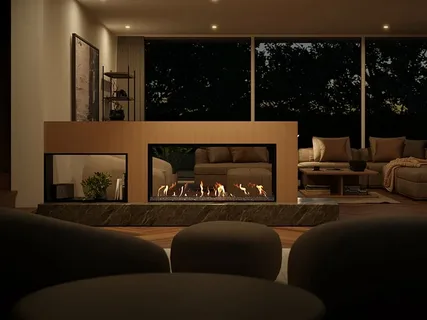
Modern heating solutions are increasingly expected to provide both practical warmth and a strong visual presence within the home. Escea gas fireplaces are designed around this combination, offering contemporary fireplace styles that can complement different interior settings. When considering a gas fireplace, factors such as room size, installation requirements, heating performance, ventilation, controls and ongoing maintenance can all influence the overall suitability of a particular model.
Understanding Gas Fireplaces
Gas fireplaces use natural gas or LPG to generate heat while creating the appearance of a traditional fire. Unlike many conventional wood-burning fireplaces, they do not require logs to be stored, chopped, or regularly replenished. This can make gas heating an appealing consideration for households looking for a convenient fireplace option.
Modern gas fireplaces are available in various configurations, including built-in, single-sided, corner and multi-sided designs. The choice generally depends on the available wall space, room layout, and the desired relationship between the fireplace and surrounding furniture.
Contemporary Fireplace Design
One of the notable characteristics of modern gas fireplaces is the range of design possibilities. A fireplace can become a central architectural feature rather than simply a heating appliance. Minimal frames, large viewing areas, and clean lines can work with contemporary interiors, while different finishes and installation configurations allow the appliance to integrate with a broader range of spaces.
The positioning of the fireplace is also important. A centrally located unit may create a strong focal point, whereas a corner or multi-sided installation can help distribute the visual effect across connected living areas. Before installation, the surrounding wall structure and materials should be assessed carefully.
Heating Performance
Heating requirements vary considerably between homes. Room dimensions, ceiling height, insulation, window placement and local climate can all affect how much heating capacity is appropriate.
Rather than selecting a fireplace based solely on appearance, homeowners should consider the intended room and expected heating requirements. Manufacturer specifications can provide information about heat output, efficiency, and operating characteristics. Professional advice can also help determine whether a particular model is appropriate for the space.
Installation Considerations
Gas fireplace installation involves more than positioning the appliance against a wall. Gas connections, ventilation, flue arrangements, clearances and surrounding construction materials need to comply with relevant requirements.
Therefore, plan the fireplace location during the design or renovation stage, where possible. Adequate clearance around the appliance is particularly important because nearby materials and finishes may be affected by heat. Installation should be completed by appropriately qualified professionals who understand the applicable gas and building requirements.
Controls and Everyday Operation
Modern fireplaces can include controls that make adjusting the flame and heat level more convenient. Depending on the model, users may have access to remote controls or other operating features that allow the fireplace to be adjusted without manually tending a fire.
This is one of the key differences between gas and wood-burning heating. Gas fireplaces generally require less daily preparation, although they still need appropriate inspection and maintenance to remain safe and functional.
Maintenance and Safety
Regular maintenance is an important part of owning any gas appliance. Dust, debris, and other contaminants can affect components and appearance over time. The glass viewing area should be maintained according to the manufacturer’s instructions, while burners, connections and ventilation components should be checked as required.
Unusual smells, changes in flame appearance, unusual sounds or inconsistent operation should not be ignored. If a gas appliance appears to be malfunctioning, it should be switched off and assessed by a qualified professional.
Choosing the Right Fireplace
Selecting a fireplace involves balancing design, heating requirements, installation conditions and operating preferences. Homeowners should consider the size of the room, available wall space, fuel type, ventilation requirements and the overall interior design before making a decision.
It is also useful to review the manufacturer’s specifications and installation guidelines for each model. Comparing different configurations can provide a clearer understanding of how a fireplace may work within a particular floor plan.
Conclusion
Gas fireplaces have evolved into versatile heating and design features for contemporary homes. Their combination of controlled heating, visual appeal and convenient operation makes them worth considering for living rooms, family areas and other suitable spaces. Careful planning, professional installation and regular maintenance are essential for achieving safe and reliable performance over the long term.