
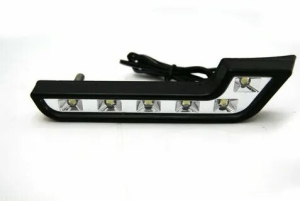
LED daytime running lights have become a popular choice for many drivers. They improve safety, and LED daytime running lights also enhance your vehicle’s appearance while consuming less energy than traditional lights. However, choosing the correct set requires understanding a few important factors. This guide will help you make an informed decision.
What should I look for in LED daytime running lights?
When selecting LED daytime running lights, start by checking the light quality. Look for lights that provide consistent brightness without flickering. A high‑quality LED will deliver clear illumination that enhances visibility during the day without blinding other drivers.
The colour temperature is another key factor. Most LED daytime running lights fall in the range of 5000K–6000K, producing a crisp white light. This not only improves visibility but also offers a modern look. Avoid lights that produce an overly blue or yellow hue, as these may be less effective or strain your eyes.
How important is build quality and durability?
Durability is essential when it comes to LED lights. Good‑quality lights are designed to withstand harsh conditions, including rain, dust, and extreme temperatures. Check for an IP rating — for example, IP65 or higher — which indicates resistance to water and dust.
Materials matter too. Aluminium housings are ideal because they dissipate heat better and extend the life of the LEDs. Poor‑quality plastic housings may be prone to cracking and won’t last as long.
How do I ensure compatibility with my vehicle?
Before buying LED daytime running lights, make sure they are compatible with your vehicle. Check the size and mounting requirements, and consider whether your vehicle’s electrical system can handle the lights without modifications. Some vehicles require additional wiring or resistors to work correctly with LEDs.
Also, ensure the lights meet local regulations. In Australia, there are specific rules about brightness, colour, and placement. Installing lights that don’t comply could result in fines or safety issues.
How can I test LED daytime running lights before buying?
Test the lights before purchasing. Look at brightness, beam consistency, and colour in daylight. Check whether the lights turn on instantly; LED lights should have no delay compared to traditional bulbs.
Pay attention to heat management. LEDs are sensitive to overheating, which can reduce lifespan. Good‑quality lights will have a heat sink or cooling mechanism to manage temperature.
What are the signs of a quality LED daytime running light?
A high‑quality LED daytime running light will be bright, durable, and energy efficient. It should have a clear lens, good heat management, and solid construction. The installation should be straightforward, and the product should meet legal standards.
Cheap options may seem appealing, but can fail quickly, produce uneven light, or damage your vehicle’s electrical system. Investing in quality upfront ensures safety, reliability, and longevity.
Conclusion: Choosing the right LED daytime running lights
Choosing the right LED daytime running lights comes down to balancing quality, durability, and compatibility. Focus on brightness, colour temperature, build quality, and compliance with regulations. By paying attention to these factors, you can improve safety, enhance your vehicle’s appearance, and enjoy a lasting upgrade.
Selecting the right lights isn’t just about looks; it’s about ensuring your vehicle is safe and visible. Quality LED daytime running lights are a smart investment for any driver who values performance and reliability.