
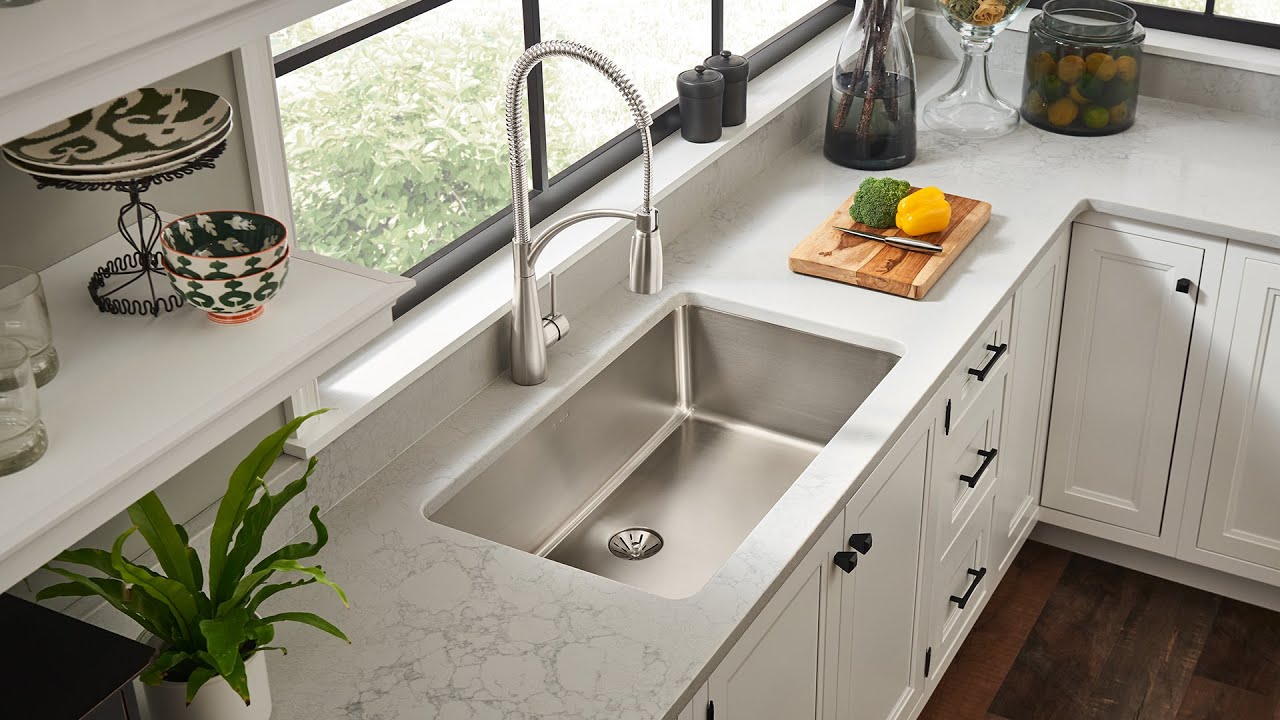
The kitchen sink is one of the most frequently used fixtures in a home, so choosing the right option involves more than simply selecting an attractive design. Size, material, installation style, functionality and kitchen layout all influence how well a sink fits into everyday use. For homeowners planning a renovation or upgrading an existing kitchen, understanding these factors can make the selection process easier. Access to reliable kitchen sink supply in Sydney can also help homeowners explore different styles and configurations suited to modern kitchens.
Why Is the Right Kitchen Sink Important?
A kitchen sink needs to handle regular washing, food preparation and cleaning while fitting comfortably into the available bench space. A well-selected sink can improve workflow and make everyday kitchen tasks more convenient.
The size should match the kitchen layout without reducing useful preparation space. Larger sinks may be suitable for busy kitchens, while compact models can work well in smaller apartments or kitchens with limited bench areas.
What Types of Kitchen Sinks Are Available?
There are several sink styles to consider, each offering different practical and visual benefits.
Undermount Sinks
Undermount sinks are installed beneath the benchtop, creating a clean transition between the bench and sink. They are often chosen for contemporary kitchens because crumbs and water can be wiped directly into the basin.
Top-Mount Sinks
Top-mount or drop-in sinks sit above the benchtop and are generally straightforward to install. They are available in various sizes and materials, making them suitable for different kitchen designs.
Double Bowl Sinks
Double bowl designs provide separate spaces for washing and rinsing or handling different kitchen tasks. They can be particularly useful for households that spend considerable time preparing meals.
Single Bowl Sinks
Single bowl sinks provide a larger uninterrupted basin area. This can be useful when washing larger cookware, baking trays and other kitchen items.
Which Material Should Be Selected?
Material can influence durability, maintenance and appearance. Stainless steel remains a popular choice because it is practical, versatile and works with many kitchen styles. Granite composite sinks can provide a distinctive appearance with a solid, modern feel. Ceramic and other finishes may also suit traditional or contemporary interiors.
When comparing kitchen sink supply in Sydney, homeowners can consider how each material will respond to daily use, cleaning requirements, water marks and the overall design of the kitchen.
What Size Sink Is Suitable?
The available cabinet and benchtop space should be measured before selecting a sink. The dimensions of the cabinet beneath the benchtop can determine which sink sizes are suitable.
It is also important to consider depth. A deeper basin can provide additional room for washing large items, but the height of the sink should remain comfortable for regular use. The number of bowls should also reflect the household’s cooking and cleaning habits.
How Can a Sink Complement Kitchen Design?
A sink should work with the overall appearance of the kitchen rather than looking like an unrelated fixture. Consider the colour, finish, tapware and benchtop material when comparing different designs.
Modern kitchens may suit minimalist sinks with clean lines, while classic kitchens can benefit from more traditional shapes and finishes. Choosing a practical design that also complements surrounding fixtures can create a more balanced appearance.
What Should Be Checked Before Purchase?
Before purchasing, homeowners should check the sink dimensions, cabinet compatibility, installation requirements, drainage position and tap configuration. It is also useful to consider cleaning needs and whether accessories such as draining boards, strainers or sink grids are required.
Conclusion
Choosing a kitchen sink involves balancing practicality, available space, durability and visual appeal. By considering the sink style, material, size, installation method and daily requirements, homeowners can select an option that fits naturally into their kitchen and supports everyday activities. A thoughtful selection can make the sink a functional and attractive part of a well-planned kitchen.