
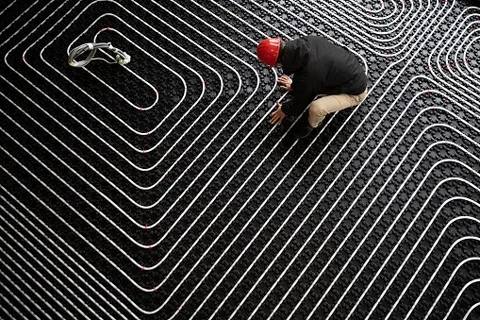
There’s a reason hydronic heating continues to grow in popularity across Australian homes and commercial buildings. It’s quiet, even, energy-efficient, and once it’s properly installed, remarkably low maintenance. But the system is only as good as the people who design and install it. Working with experienced hydronic heating specialists is what ensures the system actually delivers on its promise — consistent warmth, efficient energy use, and long-term reliability without the headaches that come from a poorly designed setup.
What Sets Hydronic Heating Apart From Other Systems
Unlike ducted air systems that push warm air around a space, hydronic heating circulates heated water through a network of pipes connected to radiators, panel heaters, or underfloor tubing. The heat radiates gently and evenly from the surfaces it passes through, warming the room without creating the dry air, dust circulation, or temperature fluctuations that forced air systems are prone to. For people with allergies, young children, or simply a preference for consistent, comfortable warmth, it’s a fundamentally different experience.
The Scope of What Specialists Handle
Hydronic heating is not a plug-and-play system. It involves hydraulic design, heat load calculations, boiler or heat pump selection, pipe layout, zoning, controls integration, and commissioning — each of which needs to be done correctly for the system to perform as intended. Experienced specialists handle:
- Assessing the thermal performance of the building and calculating heat load requirements
- Designing the pipe layout and selecting appropriate emitters for each space
- Specifying and installing the heat source, whether a gas boiler, heat pump, or solar-assisted system
- Setting up zoning controls so different areas of the building can be managed independently
- Pressure testing and commissioning the system before handover
- Providing ongoing servicing and fault diagnosis after installation
Each stage builds on the previous one, and errors made early in the design phase can be difficult and expensive to correct once pipework is laid and walls are closed up.
Underfloor vs Radiator Systems: Which Suits Your Space?
This is one of the first design decisions that comes up, and the answer depends on the building type, floor construction, and how quickly the space needs to respond to changes in heating demand.
Underfloor hydronic systems embed pipes within or beneath the floor slab or subfloor, turning the entire floor surface into a low-temperature radiant emitter. The warmth rises evenly from below, which suits open-plan spaces and new builds where the floor construction can be planned around the system. The trade-off is thermal lag — underfloor systems are slow to heat up and slow to cool down, which suits buildings that maintain a relatively stable temperature rather than those that need rapid response.
Radiators and panel heaters, on the other hand, respond more quickly to changes in room temperature settings, making them better suited to spaces that are heated intermittently or buildings where room-by-room control is a priority. They’re also a more practical option for retrofitting into existing homes where in-floor installation isn’t feasible.
What Should You Ask a Specialist Before Committing?
Choosing the right team for a hydronic installation is worth taking time over. Before engaging anyone, it’s reasonable to ask:
- Do they carry out proper heat load calculations before designing the system, or do they use rule-of-thumb sizing?
- Can they provide examples of completed installations in similar building types?
- How do they handle zoning and controls to maximise energy efficiency?
- What heat sources do they work with, and can they advise on the most efficient option for the specific application?
- What does their commissioning process involve, and what documentation do they provide after installation?
The answers to these questions reveal a lot about the depth of expertise and care a team brings to each project.
Energy Efficiency and Running Costs
One of the most compelling reasons to invest in hydronic heating is the potential for lower running costs compared to other heating methods, particularly when the system is paired with a modern condensing gas boiler or an air-to-water heat pump. However, achieving that efficiency depends heavily on the design. A system running at the right water temperature for the emitters chosen, with well-designed zoning and appropriate insulation in the building envelope, will perform very differently from one where those elements haven’t been carefully considered.
Specialists who understand the relationship between system design and energy performance can make recommendations that reduce running costs over the life of the system, not just minimise the upfront installation cost.
Servicing and Long-Term Support
A well-designed hydronic system requires relatively little attention once it’s running, but periodic servicing keeps it operating at its best. This includes checking system pressure, bleeding air from the circuit, inspecting the boiler or heat pump, and verifying that controls and zone valves are functioning correctly. Having a relationship with the team that installed the system is a practical advantage here, since they understand its layout and configuration and can diagnose issues more efficiently than someone encountering it for the first time.
The Value of Getting It Right
Hydronic heating is a long-term investment in the comfort and efficiency of a building. Installed well, it can last for decades with minimal intervention and deliver consistent warmth at a lower running cost than most alternatives. Installed poorly, it creates ongoing problems that are frustrating to diagnose and expensive to fix. Engaging experienced hydronic heating specialists from the outset is the most straightforward way to ensure the system performs the way it should — from the first warm morning of the season to many years down the track.