
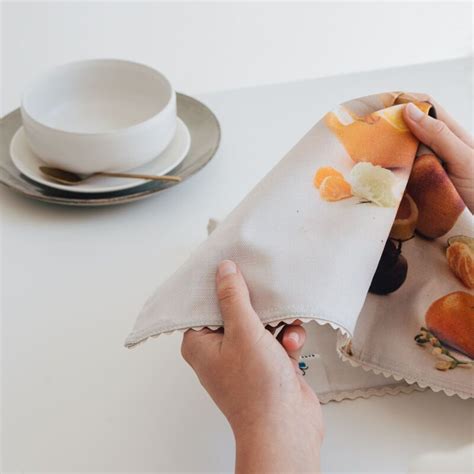
Personalisation works best when it adds meaning to something genuinely useful. That is particularly relevant to kitchen textiles. A tea towel may be an everyday household item, but the addition of a carefully chosen illustration, date, message or piece of artwork can turn it into something far more distinctive.
From wedding keepsakes to family artwork and event mementos, personalised tea towels offer Australians an unusual combination of function and sentiment. The challenge is choosing a design, material and printing method appropriate for how the finished piece will actually be used.
Start With the Reason for Creating It
The occasion should guide the design.
For a wedding, initials, names, an event date, or a simple illustration can create a practical keepsake. Housewarming designs might incorporate a family name or an illustration connected with the new home.
Other possibilities include:
- Children’s drawings reproduced on fabric
- Family recipes presented as kitchen keepsakes
- Anniversary dates
- Christmas or seasonal illustrations
- School and community fundraising designs
- Family reunions and milestone celebrations
- Illustrations of pets, homes or meaningful places
The most effective designs tend to have a clear purpose rather than filling every available section of fabric with text and graphics.
Choose the Fabric According to Its Intended Use
Material matters because not every personalised towel is intended to perform the same role.
Cotton is commonly used for kitchen textiles because of its practicality and versatility. Linen and cotton-linen blends can offer different textures and visual characteristics, while other fabrics may be chosen according to printing requirements or decorative use.
Check the supplier’s material specification rather than assuming all products described as tea towels have identical absorbency, weight or texture.
If the finished item is intended primarily as a keepsake, appearance may take priority. If it will be used regularly for drying dishes, practical performance becomes more important.
Design for Fabric, Not for a Computer Screen
A design that looks excellent digitally may not reproduce identically on textile.
Fine details, very small lettering and subtle colours can behave differently when printed on woven material. Simpler artwork with clear shapes and adequate contrast is often easier to reproduce successfully.
Consider the size of the printable area as well. A design that occupies the entire screen during creation may appear surprisingly small when transferred to a full-size tea towel.
Where a digital proof is provided, inspect spelling, dates, alignment and image placement carefully before approving production.
Turn Handwriting Into a Keepsake
One of the more meaningful applications of custom printing is preserving something that already exists in physical form.
A handwritten family recipe, for example, can be reproduced while retaining characteristics of the original handwriting. Children’s artwork can similarly be transformed into a functional keepsake rather than remaining stored in a folder.
For these projects, image quality is important. Photograph or scan original artwork in good lighting and at the resolution recommended by the printer. Shadows, blur or distortion in the source image may remain visible in the final reproduction.
Consider Personalisation for Group Gifts
Not every customised tea towel needs to be produced as a single item.
Schools, clubs, community organisations and family groups can use personalised tea towels to bring multiple contributions into one design. Children’s self-portraits, signatures, names or small illustrations can be combined into a collective piece.
This approach can be particularly effective for fundraising or commemorating a particular year because the design has significance to an identifiable group rather than relying on a generic decorative theme.
Before submitting names or children’s artwork, make sure appropriate permissions have been obtained for the intended use.
Think About Colour Beyond the Artwork
The base fabric forms part of the design.
An illustration intended for a white background may appear quite different on natural, cream or coloured fabric. Similarly, dark artwork can produce strong contrast on pale material, while lighter details may require more careful consideration.
If the towel is intended to complement an existing kitchen, selecting restrained colours can help it integrate with surrounding textiles and finishes.
For commemorative pieces, however, there is no requirement for the design to match the kitchen. Sentimental relevance may reasonably take priority over interior coordination.
Understand Printing and Care Requirements
Different personalisation methods can have different characteristics, so buyers should check how the chosen product is produced and maintained.
Before ordering, look for information about:
- Recommended washing temperature
- Whether tumble drying is suitable
- Ironing instructions
- Treatment required before first use
- Whether the design should be ironed directly
- Expected characteristics of the print over time
Following the supplied care instructions is particularly important for preserving personalised artwork.
Allow Enough Time for Custom Production
Personalised products generally require more planning than off-the-shelf gifts.
Production needs to occur after the design has been submitted and, in some cases, approved. Delivery time must then be added, particularly when ordering for a fixed occasion such as a wedding, birthday or Christmas.
If ordering multiple pieces, allow additional time to inspect the artwork, confirm quantities and correct any errors before production begins.
Make the Personal Detail Worth Adding
The appeal of personalised tea towels does not come simply from placing a name on an ordinary object. Their value lies in choosing something worth preserving: a handwritten recipe, memorable illustration, significant date or design connected with a particular group or occasion.
Thoughtful personalisation can turn a familiar kitchen textile into something that remains useful while carrying a story that an off-the-shelf gift cannot reproduce.
FAQs
What can be printed on a personalised tea towel?
Depending on the printing service, possibilities may include names, dates, illustrations, handwriting, recipes, photographs or children’s artwork. Always check the supplier’s artwork requirements.
Can personalised tea towels be washed normally?
Care requirements depend on the fabric and printing method. Follow the washing, drying and ironing instructions supplied with the finished product.
Are personalised tea towels suitable for weddings?
Yes. They can be created as individual gifts, wedding keepsakes or guest mementos using details such as names, dates, illustrations or other elements connected with the occasion.


