
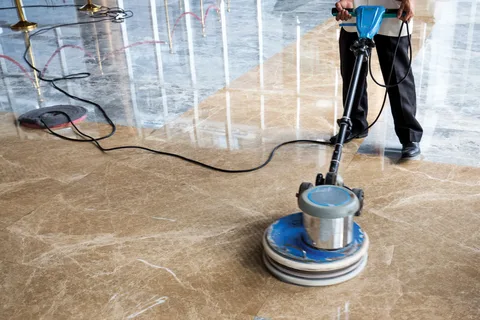
Marble does not always need the same level of polishing or the same type of finish. A kitchen benchtop, bathroom surface and high-traffic floor can respond differently depending on the stone’s condition, existing finish and daily use. Marble polishing in Cronulla can involve several techniques, each designed to achieve a particular surface appearance or correct a specific type of wear. Understanding these options helps property owners recognise what their marble may require before treatment begins.
Polished finish for a reflective surface
The polished finish is one of the most recognisable treatments for marble. It creates a smooth, reflective surface that brings out the depth of the stone and can make its natural veining appear more pronounced.
This finish is commonly associated with decorative interiors and areas where appearance is a major consideration.
A polished surface can:
- Highlight the natural colour and veining of marble
- Create a smooth and glossy appearance
- Reflect more light across an interior
- Give established marble surfaces a renewed look
- Work well on suitable floors, walls, vanities and benchtops
However, a highly reflective finish is not automatically the best choice for every application. The surface needs to be assessed according to its exposure to traffic, moisture and potential staining.
Honed finish for a softer appearance
Honing produces a smooth but generally non-reflective or low-sheen surface. Rather than creating a mirror-like appearance, it leaves the marble with a more understated, natural look.
This can be particularly suitable where a softer finish is preferred or where high reflectivity would be impractical.
Honed marble may offer:
- A muted and contemporary appearance
- Less visible reflection than highly polished stone
- A smooth surface without a strong glossy effect
- Greater suitability for certain frequently used areas
- An appearance that complements natural or minimalist interiors
Honing is also an important stage in restoration because it can help remove scratches, etching and other surface imperfections before a finer finish is considered.
Diamond polishing for controlled surface refinement
Diamond abrasives are widely used in professional marble treatment because they allow the surface to be refined progressively. Different grades can be selected depending on whether the objective is to remove damage, smooth the surface or develop a higher level of sheen.
The process generally moves from more abrasive grades towards finer ones. Each stage reduces the marks created by the previous stage.
Diamond polishing may be used to address:
- Fine surface scratches
- Dull patches
- Light etching
- Uneven areas
- Loss of the original finish
The choice of abrasive grade matters. Using an unsuitable level of abrasion can remove more material than necessary or leave an inconsistent finish.
Crystallisation for maintaining surface appearance
Crystallisation is a specialised treatment sometimes used on marble floors to improve surface hardness and develop a glossy appearance. It involves a chemical and mechanical reaction at the stone’s surface.
Unlike conventional polishing, which relies primarily on progressive abrasion, crystallisation changes the surface characteristics through a controlled treatment.
It may be considered when:
- A floor requires regular maintenance
- The existing marble is already relatively smooth
- A higher level of surface shine is desired
- The floor experiences regular pedestrian traffic
It should not, however, be treated as a substitute for correcting significant scratches, deep etching or damaged stone.
Restoration polishing for worn marble
Some marble surfaces need more than a straightforward polishing treatment. Years of foot traffic, incorrect cleaning products or abrasive grit can leave the surface with multiple forms of deterioration.
Restoration polishing is designed around the condition of the stone rather than simply its desired level of shine.
A restoration sequence may include:
- Surface inspection to identify scratches, stains, etching and uneven wear.
- Deep cleaning to remove dirt and residues.
- Honing where damaged material needs to be removed.
- Progressive polishing to refine the surface.
- Final finishing to achieve a consistent appearance.
- Protective treatment, where appropriate for the marble and its application.
This approach is particularly useful when isolated polishing would leave damaged areas visible beneath the new finish.
Choosing a finish according to the application
The best polishing method depends on where the marble is installed and how it is used. A finish that looks appropriate on a decorative wall may not be the most practical option for a busy floor.
Consider factors such as:
- Foot traffic: High-use floors may require a more durable maintenance approach.
- Moisture: Bathrooms and wet areas need careful consideration of surface finish and maintenance.
- Spills: Kitchens and dining areas can be exposed to substances that may stain or etch marble.
- Existing damage: Scratches and etching may need correction before polishing.
- Desired appearance: Glossy, low-sheen and natural-looking finishes require different treatment approaches.
Keeping the selected finish in good condition
Even professionally polished marble needs suitable day-to-day care. Dust and grit should be removed regularly, spills should not be left sitting on the surface, and harsh acidic or abrasive cleaners should be avoided.
The right maintenance routine depends on the finish, location and type of marble. Regular care also makes it easier to identify small changes before they become widespread surface problems.
Ultimately, marble polishing in Cronulla is not limited to producing a glossy surface. Polishing can involve different techniques and finish levels, from honed and low-sheen surfaces to highly reflective finishes and more comprehensive restoration treatments. Selecting the appropriate method according to the marble’s condition and intended use helps achieve a finish that looks right and remains practical to maintain.


