
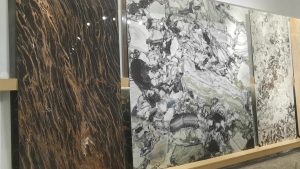
Sintered stone is an amazing material that is quickly gaining popularity in the world of interior design and construction. It is an advanced technology product where the beauty of natural stone combines excellent durability with low maintenance benefits. But w
hat exactly is this? And why is it a favourite of so many homeowners and designers? Let’s explore these questions and more in this comprehensive guide to sintered stone.
History Of Sintered Stone
It was created due to the need for a versatile, strong surface material. Technological advancements and advances in material science have further developed it for use in a wide range of applications, from residential to commercial spaces.
The Manufacturing Process Flow
A) Key Ingredients
It is made from a mixture of natural materials such as clay, quartz, feldspar, and minerals. All these ingredients are chosen to ensure that the final product meets the highest standards of quality and performance.
B) The Sintering Process
The actual manufacturing pro
cess compresses the natural materials at extremely high temperatures (above 1,200°C), causing them to bond together and form a solid, non-porous surface. The resulting product is tough, heat-resistant, and resistant to stains.
C) Unique Properties
This sintering process infuses various properties into the material, such as superior scratch and heat resistance, along with high colourfastness.
That is why it remains one of the top picks for high-traffic rooms, such as kitchens and bathrooms.
Why Is Sintered Stone Popular?
- Durability
Its non-porous surface resists stains from oils, drinks, and different styles of substances. The material is tremendously immune to heat, making it perfect to be used in kitchens in which hot pots and pans are placed on surfaces frequently.
- Low Maintenance
It is for low maintenance. A quick wipe with soap and water is usually enough to keep it looking pristine. Unlike natural stone, It does not need sealing, which means saving time and money on maintenance.
- Hygiene
The material being non-porous does not absorb any bacteria, making it perfectly hygienic and thus safe for use in kitchens and bathroom settings.
Applications Of Sintered Stone
Kitchen Countertops
It is ideal for countertops in kitchen countertops, which get a lot of use as it’s not only strong but also aesthetic.
Bathroom Vanities
It is moisture-resistant and very suitable to be installed for bathroom vanities with frequent occurrences of moisture and humidity.
Feature Wall
It makes beautiful feature walls and an elegant surface to have in every room for durable application.
Flooring
The surface’s scratch resistance, stain resistan
ce, and impermeable surface of the material make sintered stone highly suitable for installation on both residential and commercial floor surfaces.
How To Select Sintered Stone For You?
-
Determine Your Lifestyle
If you have an active household or a high-traffic home, It can handle the wear and tear. However, if you live in a low-traffic home, there may be more budget-friendly optio
ns available.
-
Match Your Interior Design Style
It comes in many designs to suit any style, whether you prefer a modern, traditional, or eclectic aesthetic.
-
Budget
It offers many benefits; it’s worth balancing your budget with the quality and design options you want.
Care And Maintenance Tips
- Daily Cleaning
A simple wipe with mild soap and water usually keeps surfaces clean.
- Stain Removal
If a stain happens, prompt cleaning is crucial. A non-abrasive cleaner may be used for tougher stains.
- Avoiding Damage
Use cutting boards and trivets to protect the surface from scratches or heat damage.
Conclusion
Sintered stone offers many benefits, including durability, low maintenance, and aesthetic versatility, making it a fantastic choice for a wide range of applications. While it does come with a higher cost and requires skilled installation, its advantages often outweigh the drawbacks, especially for high-traffic areas in your home. With improvements in technology, it is just going to be even more popular because of the wide possibilities of applications in the home or designs.


