
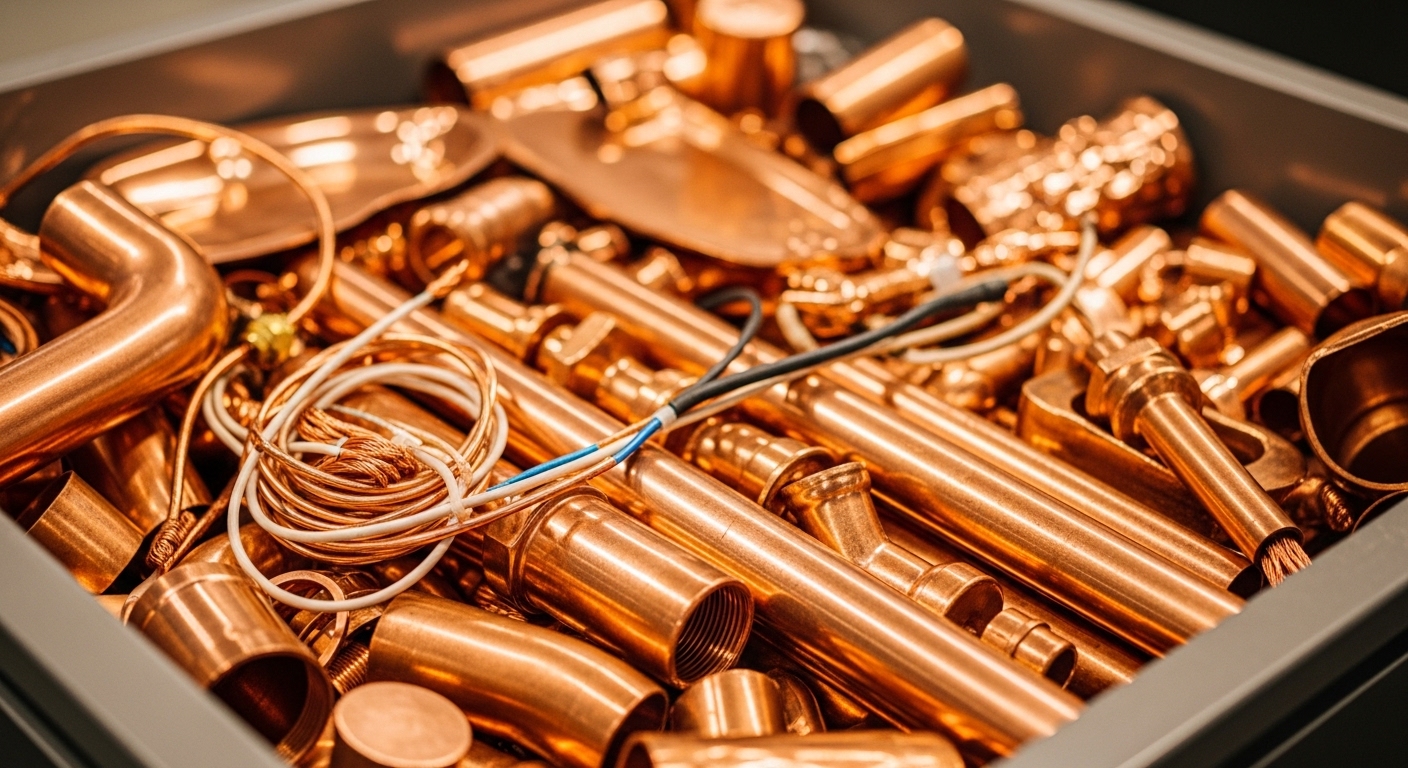
Copper cable recycling is an essential part of modern waste management and sustainability. With copper being one of the most valuable and widely used metals, recycling old cables helps conserve resources, reduce environmental impact, and generate financial returns.
From electrical wiring to industrial cables, recycling copper ensures that this high-demand material is reused efficiently.
What Is Copper Cable Recycling
Copper cable recycling involves collecting, stripping, and processing old or unused electrical cables to recover the copper inside. The recovered copper is then refined and reused in new products.
Since copper maintains its quality even after multiple recycling cycles, it is one of the most sustainable materials available.
Why Copper Cable Recycling Is Important
Recycling copper cables offers several environmental and economic benefits.
- Reduces the need for mining new copper
- Saves energy compared to producing raw copper
- Minimises landfill waste
- Lowers carbon emissions
- Supports sustainable resource use
These benefits make copper recycling a key part of the circular economy.
Types of Copper Cables That Can Be Recycled
Various types of cables can be recycled to recover copper.
- Household electrical wiring
- Industrial power cables
- Communication and data cables
- Automotive wiring harnesses
- Underground and overhead cables
The value depends on the purity and condition of the copper inside.
The Copper Cable Recycling Process
The recycling process involves several steps to ensure maximum recovery.
- Collection of used or scrap cables
- Sorting based on type and quality
- Stripping or shredding to remove insulation
- Separation of copper from plastic or other materials
- Melting and refining for reuse
Advanced machinery is often used to improve efficiency and recovery rates.
Benefits of Recycling Copper Cables
Copper cable recycling provides both financial and environmental advantages.
- High resale value for recovered copper
- Reduced disposal costs
- Efficient reuse of valuable materials
- Lower environmental impact
- Contribution to sustainable industries
Businesses and individuals can benefit significantly from recycling cables instead of discarding them.
Tips to Maximise Value
To get the best return from copper cable recycling, consider these tips.
- Strip insulation to expose clean copper
- Separate cables by type and quality
- Keep copper clean and free from contamination
- Store materials properly to prevent damage
- Monitor current market prices
Clean, high-quality copper always attracts better prices.
Industries That Use Recycled Copper
Recycled copper is widely used across various industries.
- Electrical and electronics manufacturing
- Construction and infrastructure
- Automotive industry
- Renewable energy systems
- Telecommunications
Its excellent conductivity and durability make it essential in modern applications.
Challenges in Copper Cable Recycling
While recycling offers many benefits, there are some challenges.
- Labour-intensive stripping process
- Fluctuating scrap prices
- Contamination reducing value
- Handling mixed materials
Using professional recycling services can help overcome these challenges efficiently.
Common Questions About Copper Cable Recycling
Is it worth stripping copper wires
Yes, stripped copper usually fetches higher prices
Can all cables be recycled
Most copper cables can be recycled, though value varies
Is copper recycling environmentally friendly
Yes, it significantly reduces energy use and environmental impact
Final Thoughts
Copper cable recycling is a smart and sustainable way to manage waste while generating value. By recovering and reusing copper, individuals and businesses can reduce environmental impact and support resource conservation.
With proper sorting, preparation, and recycling practices, copper cables can be transformed into valuable resources that benefit both the economy and the environment.