
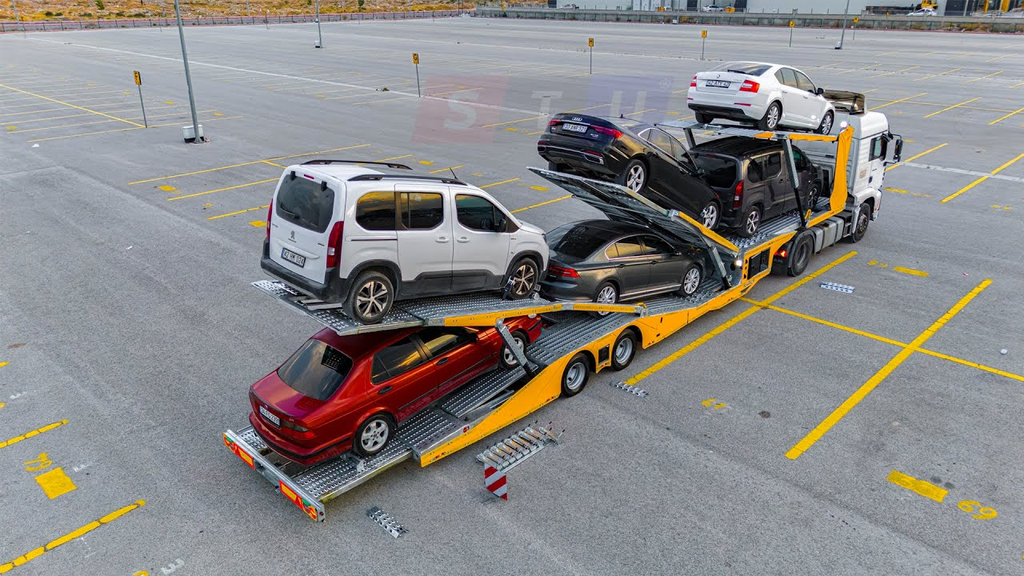
Transporting a vehicle safely requires the right equipment, whether you are moving a car between locations, supporting automotive business operations, or transporting vehicles for personal use. A suitable trailer can make vehicle loading, securing, and transportation more efficient while helping protect the car during transit. When searching for a car carrier trailer for sale, understanding trailer capacity, construction, loading features, and towing requirements can help you choose an option that meets your needs.
Understanding Car Carrier Trailerss
Car carrier trailers are designed to transport vehicles from one location to another. They are available in different sizes and configurations to accommodate various vehicle types, including standard passenger cars and some larger vehicles.
Before choosing a trailer, consider the vehicle’s weight, length, width, and ground clearance. These measurements help determine the appropriate trailer dimensions and loading arrangements. Selecting a trailer that suits your vehicle can make transportation more practical and manageable.
Important Features to Consider
Strong Construction and Durability
A car carrier trailer needs a robust structure to support the weight of a vehicle during transportation. The chassis, deck, axles, suspension, and coupling should be suitable for the intended load.
Inspect the trailer’s construction quality and check for signs of damage, corrosion, or excessive wear. If you are considering a used model, pay particular attention to the condition of the frame, tyres, brakes, and other essential components.
Durable construction and regular maintenance can help support reliable performance over time.
Load Capacity and Trailer Size
Choosing the correct load capacity is essential when transporting a vehicle. Check the trailer’s gross trailer mass, tare weight, and rated payload to determine how much weight it can legally carry.
The loaded trailer must remain within its specified limits, and the towing vehicle must be rated for the actual towing load. Consider the dimensions of the vehicle you intend to transport to ensure it fits comfortably on the trailer deck.
When comparing a car carrier trailer for sale, reviewing these specifications can help you avoid selecting a model that is unsuitable for your vehicle.
Loading Ramps and Securing Systems
Loading equipment is another important consideration. Suitable ramps can help vehicles move onto and off the trailer, while appropriate tie-down points and wheel straps help keep the vehicle secure during transit.
The loading angle may be particularly important when transporting low-clearance vehicles. Check whether the trailer’s ramp arrangement suits the vehicle you plan to carry and whether the securing points are positioned appropriately.
Choosing Between Different Trailer Designs
Car carrier trailers can feature different deck arrangements, axle configurations, and loading systems. Some models may suit occasional personal transportation, while others may be designed for frequent commercial use.
Single-axle and tandem-axle configurations have different load ratings and handling characteristics. The appropriate option depends on the trailer’s specifications, the vehicle being carried, and the intended use.
Consider your regular transportation requirements before choosing a configuration. A suitable design should balance capacity, ease of loading, storage needs, and towing compatibility.
Check Towing and Road Safety Requirements
Before purchasing a trailer, confirm that your towing vehicle can safely handle the loaded combination. Check applicable requirements for registration, brakes, lights, dimensions, load limits, and safety equipment in your state or territory.
Before every trip, inspect the tyres, wheel bearings, coupling, safety chains, brakes, and lights. Ensure the vehicle is secured correctly and that its weight is distributed appropriately across the trailer.
Following the manufacturer’s instructions and relevant road regulations can help reduce transportation risks.
Tips for Buying a Car Carrier Trailer
Comparing available models can help you find a trailer that offers suitable functionality and value. Review the specifications, construction materials, payload rating, loading arrangements, and expected maintenance requirements.
Ask the seller about warranty coverage, servicing, replacement parts, and any modifications. For a used trailer, inspect its condition carefully and check that its identification and registration details are in order where applicable.
A careful assessment helps you choose equipment based on practical requirements rather than price alone.
Conclusion
A suitable car carrier trailer can make vehicle transportation more organised and efficient. By considering load capacity, construction quality, loading features, and towing compatibility, you can make a more informed purchasing decision. If you are searching for a car carrier trailer for sale, compare the available specifications carefully and choose a trailer that suits your vehicle, towing setup, and intended use.