
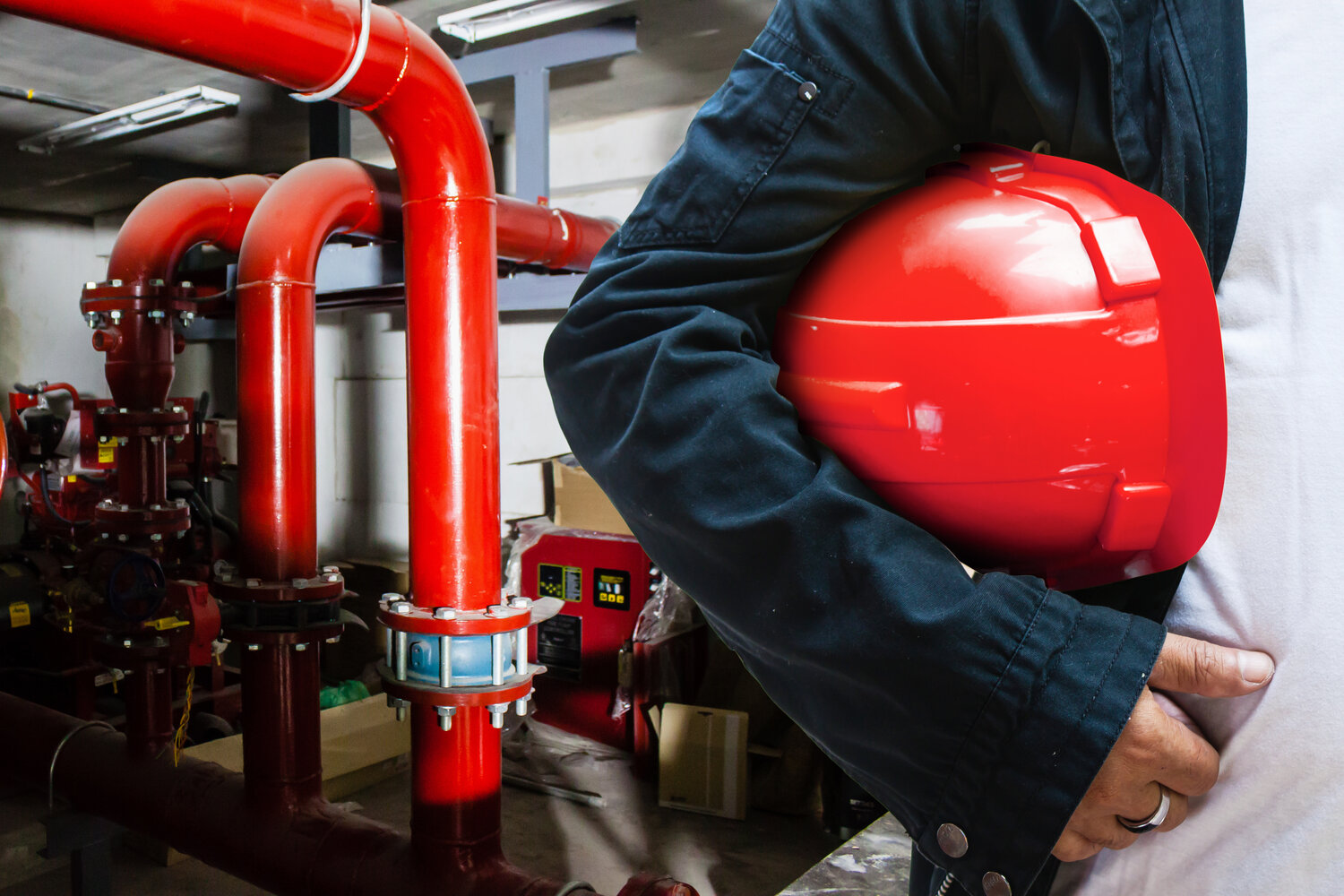
Fire safety is a critical concern for properties located in diverse environments. Fire protection in Wollongong addresses the unique challenges of coastal conditions, mixed residential areas, and commercial developments. With changing weather patterns and varied building uses, proactive fire protection helps reduce risk and improve emergency readiness. A well-planned approach supports safer communities and more resilient properties.
How do local conditions influence fire protection needs?
Wollongong’s coastal climate and surrounding bushland create specific fire risks. Fire protection strategies must respond to these environmental factors.
- Coastal air can affect equipment durability
- Bushland proximity increases fire exposure
- Wind conditions influence fire spread
- Mixed-use areas require adaptable safety planning
What are the core components of fire protection?
Fire protection relies on a combination of systems and procedures working together. Each component plays a role in reducing harm during an emergency.
- Fire detection and alarm systems
- Fire suppression equipment
- Passive fire protection features
- Clearly defined evacuation routes
Why is early detection so important?
Early warning allows occupants to respond quickly and safely. Reliable detection systems significantly reduce the impact of fire incidents.
- Alerts occupants at the earliest stage
- Reduces response time
- Supports safe evacuation
- Limits fire and smoke spread
How does fire protection support emergency evacuation?
Clear guidance during emergencies is essential for occupant safety. Fire protection systems help people exit buildings safely and efficiently.
- Emergency lighting improves visibility
- Exit signage directs safe movement
- Fire doors control smoke spread
- Alarm systems prompt immediate action
What role does fire protection play for businesses?
Businesses must protect people, assets, and operations. Fire protection reduces disruption and supports continuity planning.
- Protects staff and visitors
- Minimises damage to equipment
- Reduces operational downtime
- Supports responsible business management
How does building design affect fire protection strategies?
Every building has different fire safety requirements based on layout and use. Fire protection must align with these design elements.
- Considers building size and occupancy
- Addresses multi-storey evacuation needs
- Adapts to open-plan or enclosed layouts
- Supports accessibility requirements
Why is maintenance critical to fire protection effectiveness?
Fire safety systems must function correctly when needed. Regular maintenance ensures reliability and performance.
- Identifies faults or wear early
- Ensures alarms and lighting operate correctly
- Confirms accessibility of safety equipment
- Maintains consistent protection levels
How does fire protection help manage changing risks?
Risks evolve as buildings age or usage changes. Fire protection strategies must adapt accordingly.
- Responds to renovations or layout changes
- Adjusts for increased occupancy
- Reviews new fire hazards
- Updates evacuation procedures
What is the importance of fire safety planning?
Planning ensures everyone knows how to respond during an emergency. Fire protection extends beyond equipment to clear procedures.
- Defines evacuation responsibilities
- Establishes assembly points
- Supports emergency training
- Reduces confusion during incidents
How does fire protection enhance community safety?
Fire safety measures protect not only individual buildings but also the surrounding community. Prepared properties reduce broader risk.
- Limits fire spread to neighbouring areas
- Supports coordinated emergency response
- Protects shared infrastructure
- Enhances overall public safety
Why is a proactive approach to fire protection beneficial?
Proactive planning reduces the likelihood and severity of fire incidents. Prevention is always more effective than reaction.
- Identifies hazards before incidents occur
- Strengthens overall safety culture
- Reduces long-term risk exposure
- Improves emergency preparedness
How does professional fire protection support peace of mind?
Knowing that safety measures are in place provides reassurance for occupants and property owners. Confidence improves daily comfort.
- Builds trust in building safety
- Reduces anxiety about emergencies
- Encourages awareness and readiness
- Supports responsible property use
Conclusion
Fire safety requires careful planning, reliable systems, and ongoing attention. Fire protection in Wollongong plays a vital role in safeguarding people, property, and the wider community. By addressing local conditions, maintaining effective systems, and supporting emergency preparedness, fire protection reduces risk and improves resilience. Ultimately, a proactive approach creates safer environments and greater confidence for everyone involved.