
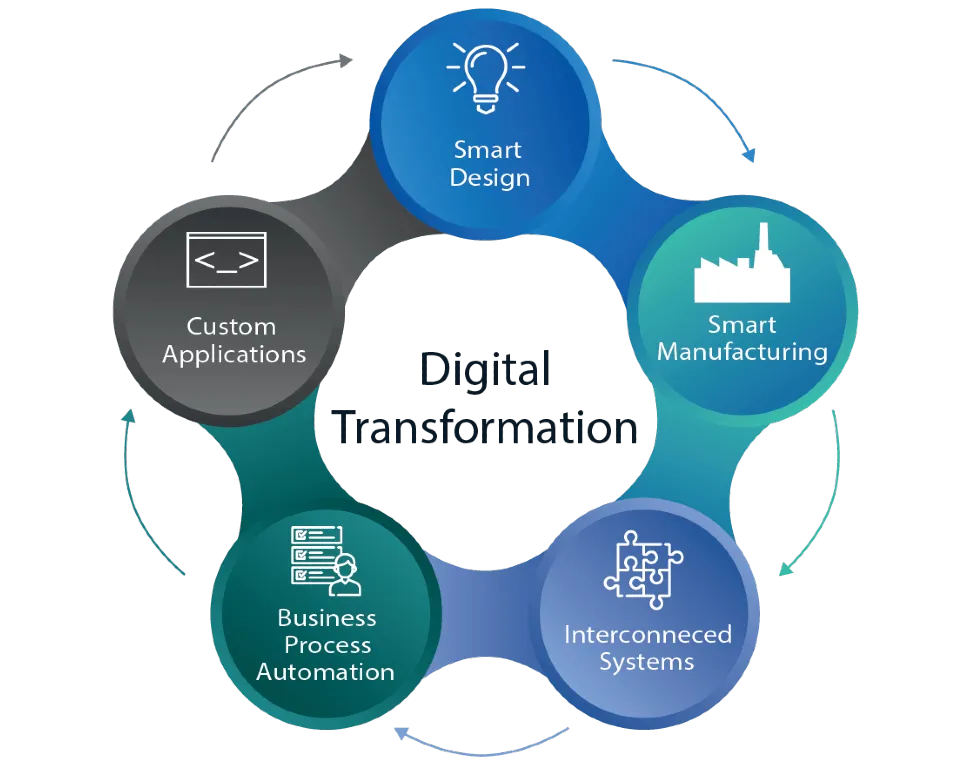
Many organisations have digitised pieces of their operations, such as a website, a billing tool or a customer portal, without changing how the business actually runs. Digital transformation goes further. It reworks processes, systems and customer journeys so that technology supports every part of the business, and that is the space digital transformation services are meant to serve.
What Digital Transformation Really Involves
Digital transformation is not a single software purchase. It is a structured effort to modernise how an organisation operates, using automation, cloud platforms and connected data to replace slow, manual and fragmented ways of working. Digital transformation services support this effort by assessing current processes, identifying what needs to change, and helping organisations move from legacy setups to systems built for speed and scale.
Signs an Organisation Is Ready for the Shift
Certain patterns usually appear before an organisation seeks outside support:
- Staff spend long hours on repetitive, manual data entry
- Information sits in separate systems that do not talk to each other
- Reports take days to prepare and are out of date by the time they arrive
- Customers face delays because approvals depend on paperwork
- Older systems are costly to maintain and difficult to extend
When several of these appear together, modernisation usually moves from a future idea to a practical priority.
Core Areas Digital Transformation Services Cover
Process Automation
Routine tasks such as data validation, document handling, reconciliation and approvals can be automated. This reduces errors, shortens turnaround times and lets staff focus on work that needs judgement.
Cloud Adoption
Moving applications and data to the cloud gives organisations more flexibility to scale up or down, supports remote access, and can reduce the burden of maintaining physical infrastructure.
Customer Experience Improvement
Digital channels, self-service options and faster response times shape how customers view an organisation. Transformation efforts often start with the journeys that cause the most frustration, such as onboarding or service requests.
Legacy System Modernisation
Older platforms can limit what a business is able to do. Modernisation may involve upgrading, replacing or integrating these systems so that data flows cleanly between them.
Data and Reporting
Bringing information into connected systems gives decision-makers current, consistent figures instead of reports stitched together by hand.
Why Planning Matters More Than Tools
A frequent mistake is starting with technology and working backwards. Projects tend to go better when they begin with clear business goals, such as reducing processing time, improving accuracy or widening service access, and then choose tools that serve those goals. Involving the teams who will use the new systems early also reduces resistance and exposes practical needs that planners may overlook.
Taking It in Phases
Large transformations rarely succeed as a single overhaul. A phased approach usually works better:
- Assess current processes and identify the biggest sources of delay or error
- Prioritise changes that offer visible benefits quickly
- Integrate new systems with existing ones to avoid disrupting daily operations
- Train staff alongside each rollout
- Review results regularly and adjust the plan as needs change
Early wins build confidence and give teams evidence that the changes are worthwhile.
Skills and Resources
Transformation projects often need specialised skills for limited periods, such as integration work, cloud migration or testing. Organisations without these capabilities in-house sometimes bring in outside specialists for defined phases, which helps projects stay on schedule without adding permanent headcount.
Security and Compliance Along the Way
Moving to digital systems increases the importance of data protection and regulatory discipline. Access controls, audit trails and secure integrations should be part of the design from the beginning. For regulated sectors such as banking, insurance and financial services, building compliance into processes lowers the manual effort needed for audits and reporting.
Conclusion
Modernising operations is a gradual, planned effort that touches processes, systems and customer experience together. Well-scoped digital transformation services help organisations replace manual routines with automation, move to flexible cloud platforms and connect their data, while keeping security and compliance in view. Organisations that set clear goals, work in phases and involve their teams from the start are better placed to see lasting results from the investment.