
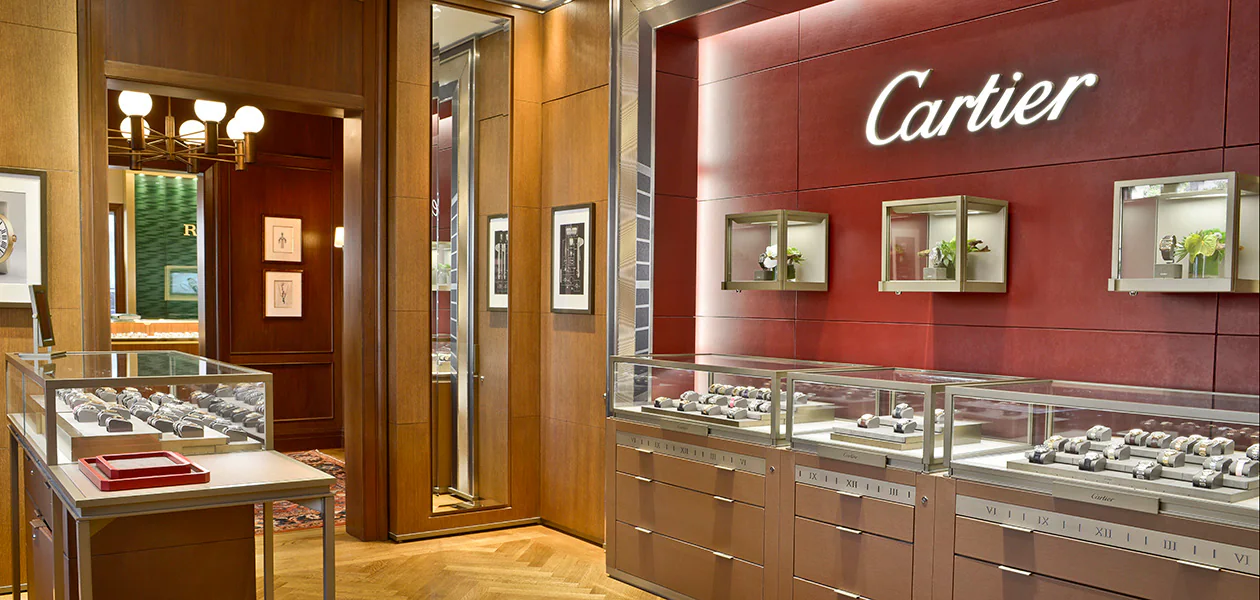
Luxury watches can look similar in size and materials yet carry significantly different price tags. For buyers exploring the premium watch market, understanding these differences is essential before making a purchase. Brand reputation alone does not explain the cost of every timepiece. Movement technology, materials, craftsmanship, design complexity, collection positioning, and market demand all influence the final price.
Understanding the factors behind the Cartier Watches Price range helps first-time luxury buyers, collectors, and retail professionals compare models more effectively. It also makes it easier to identify which watches offer the right balance of design, functionality, long-term ownership costs, and personal value.
How Cartier’s Watch Collections Influence Pricing
Cartier offers several watch collections, each developed around a distinctive design identity and target audience. Some focus on understated elegance, while others feature recognisable shapes, intricate detailing, or more complex mechanical engineering.
The Tank collection is known for its rectangular case and refined proportions. The Santos combines a distinctive square design with exposed screws and a strong historical identity. The Ballon Bleu features a rounded case and a crown integrated into its protective design. Meanwhile, the Panthère collection emphasises jewellery-inspired styling.
These differences influence production requirements, materials, and consumer demand. A model with a more elaborate case or specialised finishing may require additional manufacturing work. Similarly, a recognisable design with sustained demand can command a premium because buyers value its heritage and appearance as much as its timekeeping function.
What Determines Cartier Watches Price?
Several technical and commercial factors explain why prices differ across collections and individual references.
1. Movement Technology and Mechanical Complexity
A watch’s movement is the mechanism responsible for keeping time. Quartz movements use a battery and quartz crystal to regulate timekeeping, while mechanical movements operate through a system of springs, gears, and other components.
Mechanical movements can require more intricate assembly, adjustment, and servicing. Watches with complications, such as chronographs or additional calendar functions, may involve even greater engineering complexity.
However, a mechanical watch is not automatically more expensive than every quartz model. Case materials, collection positioning, production quantities, and design also influence the price.
2. Materials and Case Construction
The materials used in a watch can substantially affect manufacturing costs. Stainless steel generally provides a more accessible entry point than precious metals such as 18-karat gold.
Two watches from the same collection may therefore have different prices despite sharing a similar silhouette. Gold cases, diamond settings, specialised bracelets, and decorative finishes introduce additional material and production expenses.
These choices also affect ownership. Precious-metal watches may require more careful handling, while diamond-set models can involve specialised maintenance.
3. Design, Craftsmanship, and Finishing
Luxury watchmaking involves more than assembling a movement inside a case. Case proportions, dial finishing, bracelet construction, polishing, and the precision of individual components all contribute to the finished product.
Distinctive designs can also carry substantial brand value. Buyers may pay a premium for an iconic silhouette that remains recognisable across generations, even when the watch has relatively simple timekeeping functions.
4. Rarity, Demand, and Resale Potential
Availability and demand influence pricing in both authorised retail and the pre-owned market. Limited editions, discontinued references, and sought-after configurations may attract greater interest from collectors.
However, rarity does not guarantee appreciation. Condition, authenticity, documentation, service history, and prevailing demand all affect resale value.
Comparing Popular Cartier Collections
Relative positioning is indicative; actual prices depend on the reference, materials, movement, and market.
| Collection | Main characteristics | Pricing considerations |
| Tank | Rectangular case, classic styling | Case material, movement, and model variation |
| Santos | Square case, exposed screws, integrated design | Bracelet construction, materials, and movement |
| Ballon Bleu | Rounded case, distinctive crown | Size, precious metals, and movement type |
| Panthère | Jewellery-inspired design | Bracelet detailing, gold, and diamond settings |
| Pasha | Bold design and distinctive case details | Complications, materials, and specific reference |
This comparison helps buyers narrow their choices based on design preferences and technical requirements rather than assuming every collection follows the same pricing structure.
Practical Considerations Before Buying
Buyers should evaluate more than the advertised retail price when comparing luxury watches.
- Define the budget: Include taxes, insurance, servicing, and potential repairs.
- Compare exact references: Similar-looking watches can differ significantly in movement, dimensions, and materials.
- Check authenticity: Purchase from an authorised retailer or a reputable pre-owned specialist. Verify the reference, serial information, and supporting documentation where available.
- Assess condition: For pre-owned watches, examine case wear, bracelet condition, originality, and service records.
- Understand resale limitations: A recognised brand may support demand, but future resale prices are never guaranteed.
- Consider daily use: Water resistance, comfort, case size, and maintenance requirements should match the intended lifestyle.
For commercial buyers and watch retailers, these same considerations support better inventory decisions. Demand patterns, availability, condition, and customer preferences help determine which references are appropriate for different price segments.
Conclusion
The differences in Cartier Watches Price reflect a combination of movement technology, material selection, craftsmanship, collection identity, and market demand. Understanding these elements helps buyers make informed comparisons instead of choosing solely by appearance or brand prestige.
Whether purchasing a Tank for everyday elegance, a Santos for its distinctive design, or a precious-metal model for a special occasion, the most suitable choice depends on budget, intended use, and ownership expectations. Comparing exact references and buying through trustworthy channels provides a more reliable foundation for selecting a Cartier watch that delivers lasting personal value.