
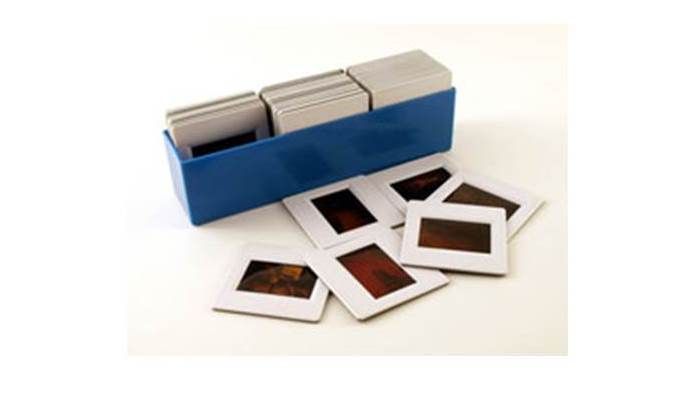
Old photographic slides often contain some of life’s most meaningful memories, from family celebrations and holidays to weddings, childhood moments and special occasions. However, storing these slides for many years can expose them to fading, dust, scratches and colour deterioration. Choosing a convert slides to digital service is an effective way to preserve these photographs in a convenient format. Digital conversion allows you to revisit, organise and share your favourite memories without relying on ageing slide projectors or physical storage.
Why Should You Convert Old Slides into Digital Images?
Photographic slides were once a popular way to capture and display pictures. Although they can retain excellent image detail, their physical condition may deteriorate over time.
Converting slides into digital images offers several advantages:
- Long-Term Preservation: Digital copies help protect photographs from further physical handling and deterioration.
- Easy Accessibility: View your pictures on computers, tablets, smartphones and other compatible devices.
- Convenient Sharing: Send memorable photographs to friends and family through email or digital platforms.
- Better Organisation: Store images in folders according to dates, events, locations or family members.
- Reduced Storage Requirements: Digital files eliminate the need to keep large collections of physical slides readily accessible.
How Does Slide to Digital Conversion Work?
The conversion process involves transferring photographic images from physical slides into digital files. Specialist scanning equipment is generally used to capture the image details and create digital versions.
The process typically includes the following steps:
1. Slide Collection and Preparation
The original slides are collected and checked before scanning. Removing loose dust and preparing the slides helps achieve better scanning results.
2. High-Quality Scanning
Each slide is placed into compatible scanning equipment. The scanner captures the photographic image and converts it into a digital format.
3. Image Processing
Depending on the service and equipment, adjustments may be made to improve brightness, contrast and colour balance. This helps create clearer digital copies while retaining the original appearance.
4. Digital File Delivery
Once scanning is complete, the converted images are supplied in an agreed digital format. These files can then be stored, viewed and shared using compatible devices.
What Types of Memories Can Be Preserved?
A professional slide conversion service can help preserve photographs from different stages of life.
Common examples include:
- Family holidays and travel photographs.
- Wedding and anniversary celebrations.
- Childhood and school memories.
- Historical family photographs.
- Special events and milestone occasions.
- Old photographs of friends and relatives.
Digitising these collections makes it easier to keep important memories accessible for future generations.
What Should You Look for in a Slide Conversion Service?
Choosing the right conversion provider is important for achieving good results. Before selecting a service, consider the following factors:
Scanning Quality: Ask about the scanning resolution and image quality available.
File Formats: Check whether the converted images are supplied in commonly supported formats such as JPEG or TIFF.
Colour Accuracy: A good scanning process should aim to retain the original colours and photographic details.
Careful Handling: Original slides can be fragile, so they should be handled carefully throughout the process.
Delivery Options: Understand how digital files will be supplied and whether additional storage options are available.
Why Digital Preservation Matters for Future Generations
Photographic slides are more than just pictures; they represent personal histories, family connections and important life experiences. Unfortunately, physical slides can become difficult to view as projectors and compatible equipment become less common.
Choosing a convert slides to digital service helps make these memories more accessible. Digital copies can be backed up, organised into family archives and shared with relatives who may live far away.
For additional protection, consider keeping multiple backups, such as an external hard drive and secure cloud storage. This reduces the risk of losing valuable images if one storage device becomes damaged.
Conclusion
Preserving old photographic slides is an excellent way to protect meaningful memories and make them easier to enjoy. A convert slides to digital service provides a practical solution for transforming traditional photographic slides into accessible digital images.
With suitable scanning equipment, careful handling and appropriate digital storage, your favourite photographs can remain part of your family’s story for years to come. Start preserving your old slide collection today and give your treasured memories a convenient digital future.