
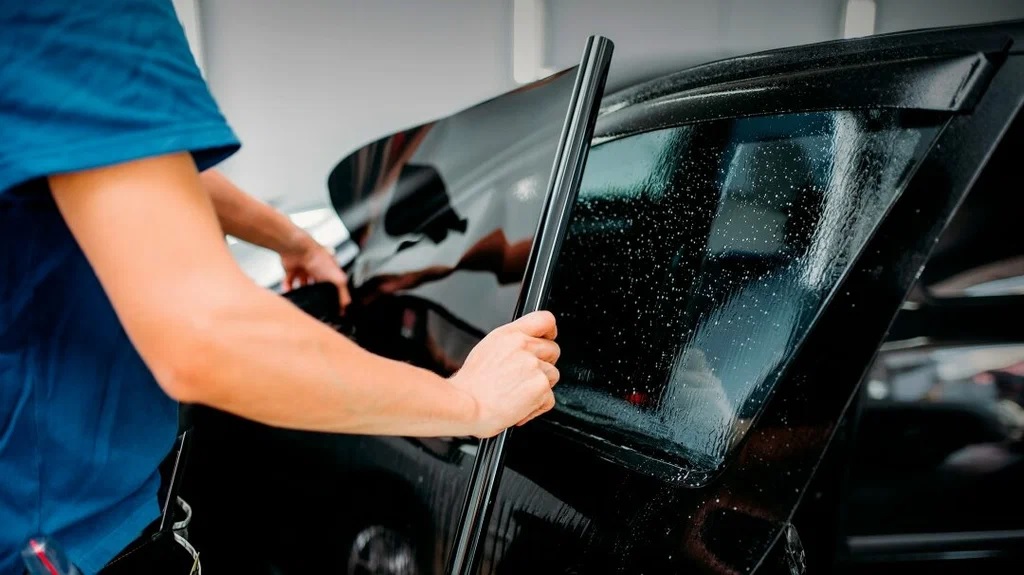
Window tinting is a popular choice for vehicle owners in Blacktown, particularly given Western Sydney’s warm summers and high levels of sun exposure. While tinted windows can improve comfort and privacy, selecting the right option requires careful thought. Several factors should be evaluated before making a decision.
Understand Local Tinting Laws
Before choosing car window tinting in Blacktown, it is essential to understand New South Wales regulations. The law specifies the minimum Visible Light Transmission (VLT) levels permitted for different windows. For most passenger vehicles in NSW, front side windows must allow at least 35% of light to pass through, while rear windows may have darker tinting depending on the vehicle type. Failing to comply with these standards can result in fines, defect notices, or the need to remove the tint. Always ensure the selected tint meets current legal requirements.
Consider the Purpose of Tinting
Different drivers have different priorities. Some seek heat reduction during hot Blacktown summers, while others focus on glare reduction or added privacy. Identifying the main goal helps narrow down suitable tint options. For example, ceramic and carbon films are often chosen for better heat rejection, while standard dyed films may provide a more economical solution for privacy and appearance.
Evaluate Film Types
There are several types of window tint films available:
- Dyed film: Cost-effective and primarily improves appearance and privacy.
- Metalised film: Reflects heat effectively but may interfere with GPS or mobile signals.
- Carbon film: Offers improved durability and heat resistance without signal interference.
- Ceramic film: Known for high heat rejection, UV protection, and clarity, often at a higher price point.
Each type varies in durability, performance, and cost. Comparing these characteristics can help determine which option suits the vehicle and driving conditions.
Heat and UV Protection
Blacktown experiences strong sunlight for much of the year. High-quality window tint can block a significant percentage of harmful UV rays, which helps protect skin and reduces interior fading. Heat rejection is another important factor, as it can make daily commuting more comfortable and reduce reliance on air conditioning. Checking product specifications for UV and infrared rejection levels provides a clearer understanding of performance.
Installation Quality
Even the best film can perform poorly if installed incorrectly. Bubbles, peeling edges, and uneven application are common signs of substandard installation. Proper preparation and precise application are crucial for long-lasting results. It is also worth confirming whether the installer provides a warranty that covers fading, bubbling, or peeling.
Vehicle Type and Usage
The type of vehicle and its usage can influence the tinting decision. Family vehicles may prioritise UV protection and rear-seat comfort, while commercial vehicles may require compliance with additional regulations. Drivers who frequently travel at night should avoid overly dark tints that could reduce visibility.
Maintenance and Longevity
Window tint requires minimal maintenance but should still be cared for properly. Using ammonia-free cleaning products and soft cloths can prevent damage. Higher-quality films generally last longer and resist fading or discolouration, making them a practical long-term investment.
Final Thoughts
Choosing car window tinting in Blacktown involves more than selecting a shade. Legal compliance, film type, heat protection, installation standards, and vehicle usage all play a role in the final outcome. Taking time to compare options ensures a result that enhances comfort, safety, and durability while meeting local requirements.