
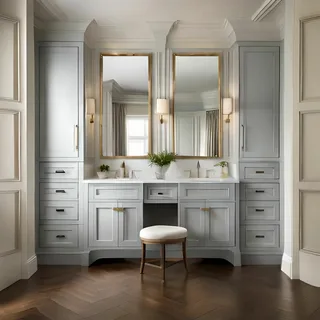
Living near the Illawarra coast means ocean views and fresh breezes, but it also means salt air and high humidity that bathrooms feel every day. When it comes to bathroom vanities in Wollongong, those conditions shape which materials last, which finishes hold up and how a cabinet should be looked after. This article explains what the local climate does to a vanity and how to plan for it.
How the Coastal Climate Affects Vanitiess
Salt-laden air settles on metal and timber surfaces, and humidity keeps bathrooms damp for long periods, especially in homes close to the water or at the base of the escarpment where air moves less freely. Over time, moisture can swell cabinet edges, lift laminate and corrode hardware. Understanding this is the first step to choosing a vanity that lasts.
Materials That Handle Humidity
Moisture-resistant MDF with a two-pack or good-quality laminate finish is a common choice because it is stable and sealed against water. Plywood is strong and tolerates damp well when its edges are sealed. Solid timber looks warm but needs regular resealing in a salty, humid environment. Whatever the material, check that all edges, especially the bottom and the cut-outs around pipes, are properly sealed, as these are the first places water gets in.
Tops, Basins and Taps
Ceramic, solid surface and engineered stone tops are durable and wipe clean easily. Integrated basins have no joins, so there are fewer places for moisture and mould to collect. Taps and fittings should be made from brass or marine-grade stainless steel, which resist salt corrosion better than cheap plated metals. For bathroom vanities in Wollongong, quality hardware often matters more than the look of the cabinet itself.
Fitting the Space
Homes in the region range from older fibro and brick cottages with small bathrooms to modern apartments and large family builds. Compact vanities of 450mm to 750mm suit tight ensuites and powder rooms, while wider double-basin units work in larger spaces. Wall-hung designs free up floor area and make cleaning easier, while freestanding units add storage and suit older, uneven floors. Measure the wall width, door swing and walkway clearance before deciding.
Ventilation and Moisture Control
Even the best cabinet struggles without airflow. Run the exhaust fan during and for 20 minutes after showers, and open a window when you can. Fix leaking taps or traps quickly, since a slow drip inside the cabinet can ruin the base within months. Keeping the area under the basin dry and clear helps protect the cabinet for years.
Installation and Compliance
In NSW, plumbing and electrical work must be carried out by licensed tradespeople. Plan the waste, water and power positions early, particularly for wall-mounted taps, mirror lights or powerpoints. Wall-hung vanities need solid backing fitted before the walls are sheeted, because a stone top and full drawers can be heavy. Renovators should also check strata or council requirements if the work affects waterproofing or common walls.
Everyday Care
Wipe spills and splashes promptly, particularly around the basin and taps. Use a mild, non-abrasive cleaner, and avoid soaking timber or MDF edges. Every few months, check the hinges, drawer runners and seals for early signs of rust or swelling, and rinse chrome or stainless fittings with fresh water to remove salt residue. These small habits make a big difference in a coastal home.
Final Thoughts
The best bathroom vanities in Wollongong are chosen with the local climate in mind. Pick sealed, moisture-resistant materials, corrosion-resistant fittings and a layout that suits your space, then keep the room well ventilated and use licensed installers. Do that, and your vanity will stay looking good despite the salt and humidity.