
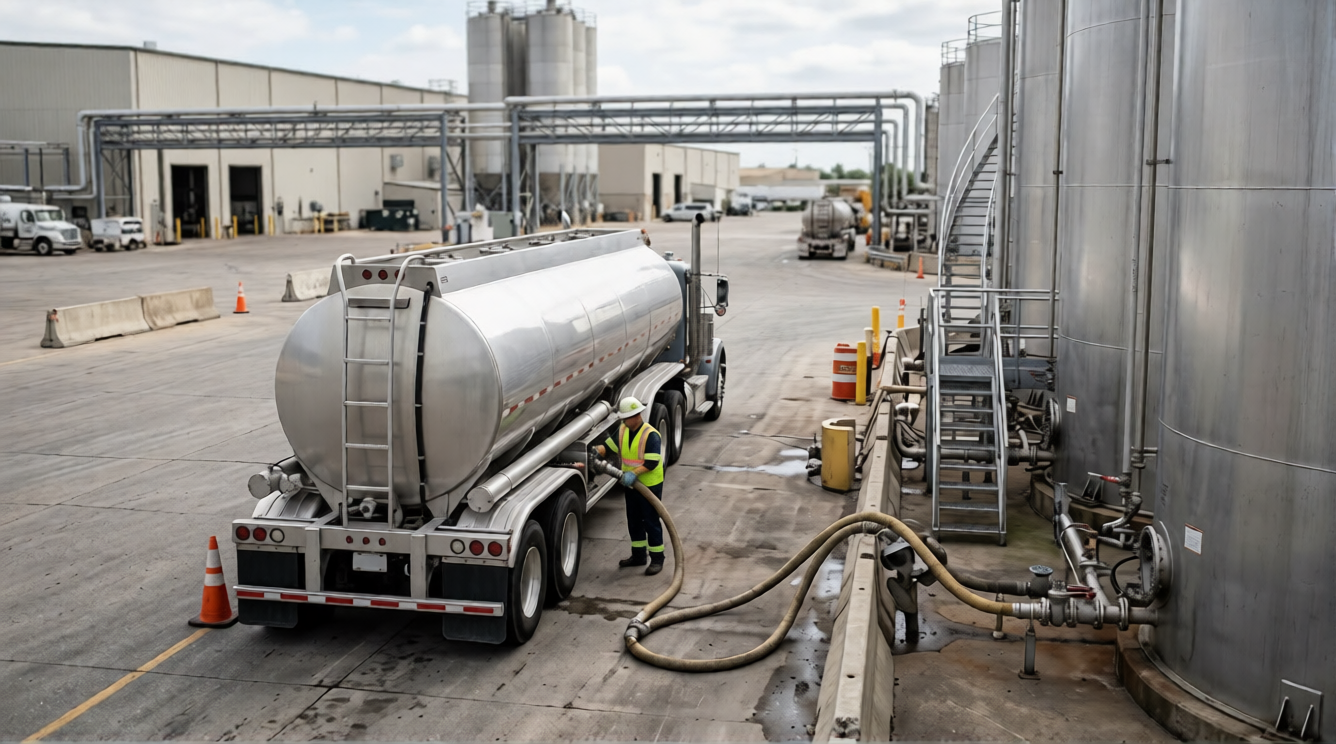
Choosing the right oil supplier is an important decision for businesses that depend on fuel, lubricants, and other oil-based products for their daily operations. Industries such as transport, construction, manufacturing, agriculture, and mining require a consistent supply to keep equipment, vehicles, and machinery running efficiently. A dependable supplier helps businesses manage their fuel requirements, maintain productivity, and avoid unnecessary operational delays.
Bulk Oil Distributors play an important role in meeting these requirements by providing oil and fuel products in large quantities. Instead of relying on frequent small purchases, businesses can arrange deliveries according to their consumption patterns, storage capacity, and operational schedules. This approach helps simplify supply management while supporting the changing needs of different industries.
Why Is a Reliable Oil Supply Important for Businesses?
Oil and fuel are essential resources for many commercial and industrial activities. Heavy vehicles require fuel for transportation, while machinery and equipment depend on suitable lubricants to operate smoothly. Any interruption in supply can affect productivity, increase operating costs, and delay important projects.
A reliable oil supply helps businesses maintain regular operations without unnecessary interruptions. It also allows managers to plan their purchasing requirements more effectively.
Some important benefits include:
- Maintaining consistent business operations.
- Reducing the risk of unexpected fuel shortages.
- Supporting machinery and vehicle performance.
- Improving inventory and supply management.
- Making purchasing schedules easier to organise.
- Supporting large-scale industrial requirements.
Businesses that understand their consumption patterns can work with suppliers to establish suitable delivery arrangements.
What Products Can Businesses Source in Bulk?
Different industries require different types of oil and fuel products. Understanding these requirements helps businesses select suitable products for their equipment and operational activities.
Diesel and Commercial Fuels
Diesel is widely used in transportation, construction, agriculture, mining, and industrial operations. Trucks, generators, excavators, tractors, and other heavy equipment often depend on diesel to function.
Businesses with high fuel consumption may benefit from arranging larger deliveries based on their operational requirements. Proper fuel storage and handling are also important for maintaining product quality.
Engine Oils and Lubricants
Engine oils and lubricants help reduce friction between moving components. They also support heat management, protect internal parts, and contribute to the efficient operation of machinery.
Different engines and equipment require specific lubricant grades. Businesses should always check manufacturer recommendations before selecting an oil product.
Hydraulic Oils
Hydraulic systems are commonly found in construction machinery, industrial equipment, agricultural vehicles, and manufacturing systems.
Hydraulic oil transfers power through the system while providing lubrication and helping protect internal components. Selecting the correct viscosity and specification is essential for suitable equipment performance.
Industrial and Automotive Oils
Industrial operations may require specialised oils for compressors, gearboxes, hydraulic systems, and other machinery. Automotive businesses also depend on suitable oils for vehicle servicing and maintenance.
Choosing products according to equipment specifications helps businesses maintain consistent maintenance practices.
How Do Bulk Oil Distributors Help Different Industries?
Oil supply requirements vary depending on the type of business, equipment, and daily consumption. Professional suppliers support different industries by offering products and delivery arrangements suited to their needs.
Transport and Logistics
Transport companies operate trucks, delivery vehicles, and commercial fleets that require regular fuel supplies. Fuel shortages can affect delivery schedules and increase operational difficulties.
A planned supply arrangement helps fleet operators manage fuel requirements and maintain transportation activities.
Construction and Infrastructure
Construction projects often use excavators, loaders, cranes, generators, and other heavy machinery. These machines require regular fuel and maintenance products to support daily site activities.
Organised fuel deliveries help construction businesses maintain suitable stock levels, particularly when working on large projects or remote sites.
Agriculture and Farming
Agricultural businesses use tractors, harvesters, irrigation equipment, and other machinery throughout different seasons. Their fuel requirements may increase during planting and harvesting periods.
Planning supply arrangements around seasonal demand helps farmers manage their operational needs more effectively.
Manufacturing and Industrial Facilities
Manufacturing facilities depend on machinery, production equipment, and industrial systems. Lubricants and specialised oils are essential for maintaining equipment according to recommended maintenance schedules.
A suitable supply partner helps businesses organise product requirements and maintain appropriate inventory levels.
What Should You Consider When Choosing an Oil Supplier?
Selecting an appropriate supplier involves more than comparing product prices. Businesses should consider several factors to ensure their supply arrangements match their operational requirements.
Product Quality and Specifications
Always check whether the supplier offers products that meet the specifications recommended by equipment manufacturers. Using unsuitable oils or lubricants may affect machinery performance and maintenance requirements.
Delivery Capacity
Businesses with high consumption need suppliers that can manage their required delivery volumes. Ask about delivery schedules, service areas, available equipment, and order requirements.
Storage and Handling Requirements
Bulk oil and fuel storage requires appropriate tanks, equipment, and safety procedures. Businesses should understand the storage conditions and handling requirements associated with each product.
Industry Experience
Suppliers with experience serving commercial and industrial customers may better understand the challenges associated with large-volume orders, changing demand, and delivery coordination.
Transparent Pricing
Compare product pricing, delivery charges, order conditions, and any additional fees. Understanding the complete cost helps businesses make informed purchasing decisions.
How Can Businesses Manage Bulk Oil Storage Effectively?
Proper storage is essential for maintaining oil and fuel quality. Poor storage practices can result in contamination, leakage, product deterioration, and unnecessary expenses.
Businesses should follow these practices:
- Use suitable tanks designed for the specific product.
- Keep storage areas clean, secure, and properly maintained.
- Protect products from water, dust, and other contaminants.
- Inspect tanks, hoses, valves, and connections regularly.
- Follow applicable environmental and workplace safety requirements.
- Maintain accurate records of deliveries and stock levels.
- Use appropriate procedures for handling spills and leaks.
Regular inspections help identify potential problems before they affect operations. Businesses should also ensure employees understand the correct storage and handling procedures.
Why Is Planning Oil Deliveries Important?
Poor supply planning can lead to unnecessary storage costs or unexpected shortages. Businesses can avoid these challenges by monitoring their regular consumption and arranging deliveries according to actual demand.
For example, a transport company operating multiple vehicles may experience higher fuel consumption during busy periods. Similarly, construction businesses may require additional fuel when operating several machines simultaneously.
Working with Bulk Oil Distributors can help businesses organise deliveries around their consumption levels, storage capacity, and operating schedules.
Maintaining a record of previous purchases also makes it easier to estimate future requirements. This information supports better purchasing decisions and helps businesses maintain suitable inventory levels.
Frequently Asked Questions
What are bulk oil suppliers?
Bulk oil suppliers provide fuel, lubricants, and other oil-based products in larger quantities for commercial, industrial, and other business requirements.
Which industries require bulk oil supplies?
Transport, construction, agriculture, mining, manufacturing, automotive, and industrial businesses commonly require large quantities of fuel and lubricants for their daily activities.
What are the advantages of purchasing oil in bulk?
Purchasing oil in larger quantities can simplify ordering, reduce the frequency of deliveries, support inventory planning, and help businesses manage their regular consumption requirements.
How often should businesses arrange oil deliveries?
Delivery frequency depends on fuel consumption, storage capacity, operating schedules, and business requirements. Monitoring stock levels helps determine an appropriate delivery schedule.
How can businesses maintain oil quality during storage?
Businesses should use suitable storage tanks, prevent contamination, inspect equipment regularly, and follow the manufacturer’s storage and handling recommendations.
Conclusion
A consistent supply of fuel, lubricants, and industrial oils is essential for businesses that depend on vehicles, machinery, and equipment. Choosing an appropriate supplier helps simplify purchasing, improve inventory planning, and support uninterrupted operations across different industries.
By evaluating product quality, delivery capabilities, industry experience, pricing, and storage requirements, businesses can make informed decisions about their oil supply arrangements. Proper planning and responsible storage practices also contribute to better resource management and long-term operational efficiency.