
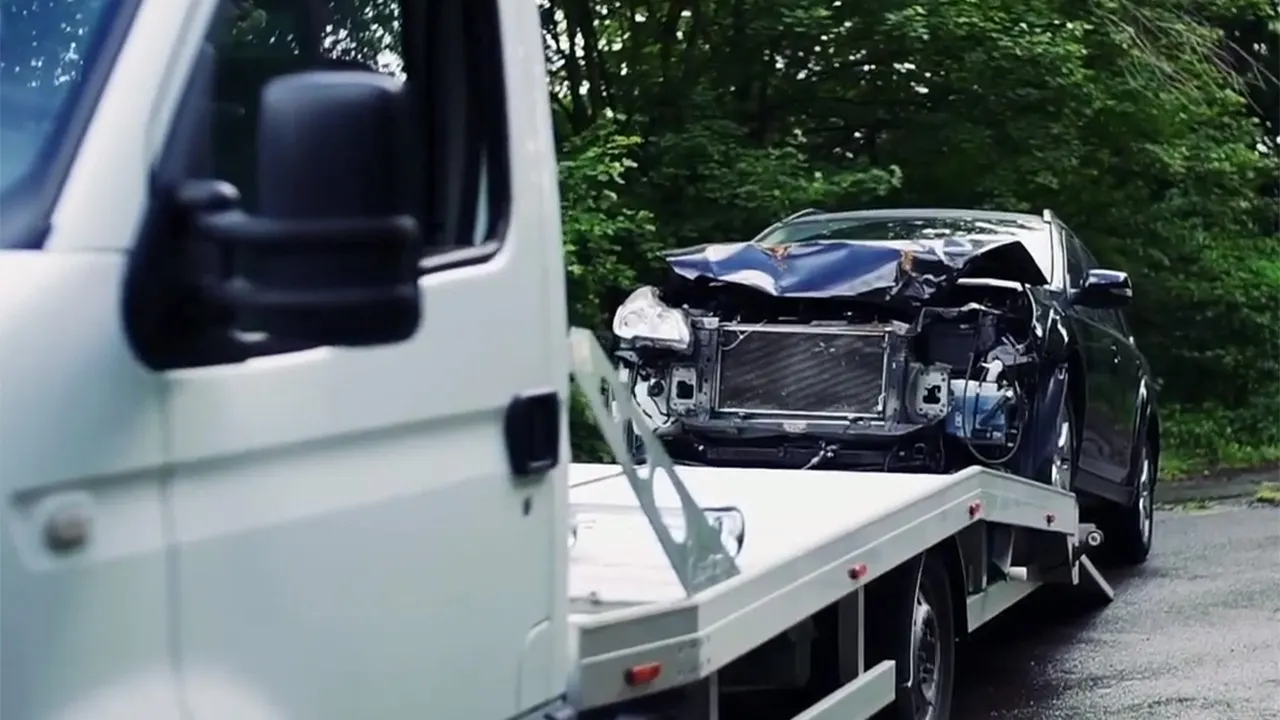
Being involved in a road accident can be stressful, particularly when your vehicle is damaged and cannot be driven safely. In these situations, arranging accident towing is an important step towards clearing the road and transporting your vehicle to a safe location. Whether you have experienced a minor collision or a major accident, understanding how towing works can help you make informed decisions and manage the situation more confidently.
What Is Accident Towing?
Accident towing is a specialised vehicle transportation service designed for cars and other vehicles involved in road accidents. When a vehicle becomes damaged, unsafe or undriveable following a collision, a tow truck can transport it to a repair workshop, storage facility or another suitable destination.
Depending on the extent of the damage, different towing methods and equipment may be required. Professional operators assess the vehicle’s condition and determine an appropriate way to load and transport it safely.
When Do You Need Accident Towing?
Not every road accident requires towing, but certain situations make professional assistance necessary.
Common circumstances include:
- Severe Vehicle Damage: Significant damage to the body, wheels or mechanical components may make driving unsafe.
- Engine Problems: A collision may cause mechanical or electrical faults that prevent the vehicle from operating.
- Airbag Deployment: Deployed airbags and related damage may indicate that the vehicle requires professional inspection before being driven again.
- Fluid Leaks: Leaking fuel, oil or other fluids can create additional safety hazards.
- Blocked or Unsafe Vehicles: A damaged vehicle may need to be moved to clear the roadway or prevent further accidents.
If there are injuries or immediate danger, contact emergency services before arranging towing.
What Happens During the Accident Towing Process?
Understanding the towing process can help reduce uncertainty after an accident.
1. Request Towing Assistance
Once everyone is safe and emergency requirements have been addressed, contact a towing provider. Explain your location, vehicle type and the circumstances of the accident.
2. Vehicle Assessment
When the operator arrives, they assess the vehicle’s condition, including visible damage, wheel movement and any potential loading difficulties.
3. Selecting the Right Tow Truck
Different vehicles require different transportation methods. Flatbed tow trucks are often suitable for damaged vehicles because the entire vehicle can be carried on the truck platform.
4. Safe Vehicle Loading
The operator uses appropriate equipment to secure and load the vehicle. Extra care may be necessary when dealing with damaged wheels, suspension components or steering systems.
5. Vehicle Transportation
The vehicle is transported to the agreed destination, such as a repair workshop, assessment centre or authorised storage facility.
Benefits of Using Professional Accident Towing Services
Choosing an experienced towing operator offers several practical advantages.
Safe Vehicle Transportation: Proper equipment and loading techniques help minimise additional damage during transportation.
Specialist Equipment: Professional operators have access to suitable towing vehicles and recovery equipment for different situations.
Convenient Assistance: Towing services help move vehicles that cannot be safely driven after an accident.
Reduced Roadside Risks: Arranging vehicle removal can help prevent further traffic disruption and potential hazards.
Workshop Transportation: Your damaged vehicle can be taken directly to a location where qualified technicians can inspect it.
Important Things to Remember After a Car Accident
Before arranging towing, prioritise safety and follow the appropriate accident procedures.
- Move to a safe location if possible.
- Check whether anyone requires medical assistance.
- Contact emergency services when necessary.
- Exchange relevant details with other parties involved.
- Take photographs of vehicle damage and the accident scene when safe.
- Record the towing provider’s details and confirm the destination.
- Contact your insurer and check your policy requirements before authorising repairs or storage.
Avoid attempting to drive a vehicle that may have structural, mechanical or safety-related damage.
How to Choose the Right Accident Towing Provider
Selecting a suitable towing company can make the recovery process easier. Consider the provider’s experience with accident-damaged vehicles, available towing equipment, service coverage and estimated costs.
It is also important to ask about transportation arrangements, destination options and any additional fees before confirming the service.
Clear communication helps ensure that your vehicle is handled appropriately throughout the towing process.
Conclusion
Accidents can happen unexpectedly, and having access to reliable vehicle recovery assistance can make a difficult situation easier to manage. Professional accident towing helps transport damaged vehicles safely while reducing roadside risks and allowing the next steps of vehicle assessment and repair to begin.
By understanding the towing process, prioritising safety and choosing an appropriate service provider, motorists can handle post-accident vehicle transportation with greater confidence.