
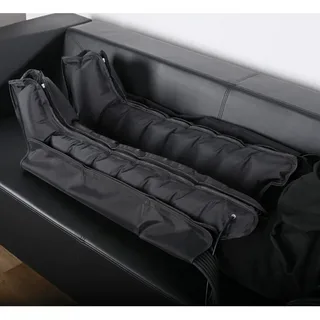
Maintaining healthy leg circulation and managing swelling are important for everyday comfort and mobility. People experiencing fluid retention, limited movement or certain lymphatic conditions may benefit from learning about different compression therapy options. A sequential compression device for legs is designed to apply controlled air pressure in a specific pattern, helping support fluid movement through the lower limbs. Understanding how this equipment works can help individuals make informed decisions about suitable leg care solutions.
What Is a Sequential Compression Device?
A sequential compression device is a pneumatic therapy system that uses inflatable garments connected to an electronic pump. These garments are usually designed as sleeves or boots that fit around the legs. They contain multiple air chambers that inflate and deflate in a programmed sequence.
Unlike standard compression stockings, which provide continuous pressure, sequential compression systems deliver intermittent pressure through different sections of the garment. This process encourages fluid movement toward the upper body and supports lymphatic and circulatory function.
How Does Sequential Compression Therapy Work?
Sequential compression therapy uses controlled air pressure to create a repeated compression and release cycle. The process generally follows these steps:
- Garment Placement: Specially designed compression sleeves are fitted around the legs.
- Pressure Application: An electronic pump sends air into the garment chambers.
- Sequential Inflation: Individual chambers inflate in a specific order, usually progressing from the lower leg upwards.
- Pressure Release: Air is released before another compression cycle begins.
The pressure and timing can vary depending on the equipment model and the treatment requirements recommended by a healthcare professional.
Benefits of Using a Sequential Compression Device
Pneumatic compression equipment may provide several benefits when used appropriately as part of a professionally guided care routine.
1. Supports Fluid Movement
Sequential compression applies controlled pressure that may help move accumulated fluid through the limbs. This can be particularly relevant for individuals managing certain lymphatic conditions.
2. Helps Manage Leg Swelling
People experiencing swelling associated with lymphedema or other medical conditions may be prescribed compression therapy to assist with symptom management.
3. Provides Controlled Pressure
Many devices feature adjustable pressure levels and treatment cycles. These settings allow therapy to be tailored according to individual requirements and professional recommendations.
4. Convenient Treatment Options
Depending on the device, compression equipment may be suitable for use in clinical environments or at home. Home-use systems can help individuals follow an established treatment routine.
Who May Need Sequential Compression Equipment?
Sequential compression devices may be recommended for individuals experiencing specific circulation or lymphatic concerns.
Common applications include:
- People managing lymphedema-related swelling.
- Individuals experiencing certain types of lower-limb fluid retention.
- Patients with limited mobility who require prescribed mechanical compression.
- Individuals recovering from certain medical procedures when compression therapy is recommended.
However, these devices are not suitable for everyone. People with suspected or confirmed deep vein thrombosis, severe peripheral arterial disease, certain heart conditions or active skin infections should seek medical advice before starting compression therapy.
Important Features to Consider When Choosing a Device
Choosing suitable equipment requires careful consideration of several features.
Adjustable Pressure Settings: Different pressure levels can help accommodate individual treatment requirements.
Multiple Compression Chambers: The number and arrangement of chambers influence how pressure is distributed across the legs.
Garment Size and Fit: Proper sizing is essential for effective and comfortable use.
Treatment Programs: Different devices may offer multiple compression sequences and adjustable cycle durations.
User-Friendly Controls: Clear settings and straightforward operation can make equipment easier to use regularly.
Always review product instructions and consult a healthcare professional before selecting or using a compression system.
Understanding the Importance of Regular Leg Care
Managing leg swelling and maintaining mobility often requires a combination of appropriate treatments and daily care practices. Depending on individual circumstances, a healthcare professional may recommend compression garments, physical activity, skin care and pneumatic compression therapy.
Following professional guidance is important because the correct compression method depends on the underlying condition and overall health.
Conclusion
A sequential compression device for legs can be a useful option for individuals who require pneumatic compression as part of a medically recommended care plan. With features such as adjustable pressure, multiple air chambers and programmed treatment cycles, these systems offer a structured approach to compression therapy.
Understanding the available features, proper usage and medical considerations can help individuals choose equipment that meets their requirements and supports an appropriate leg care routine.