
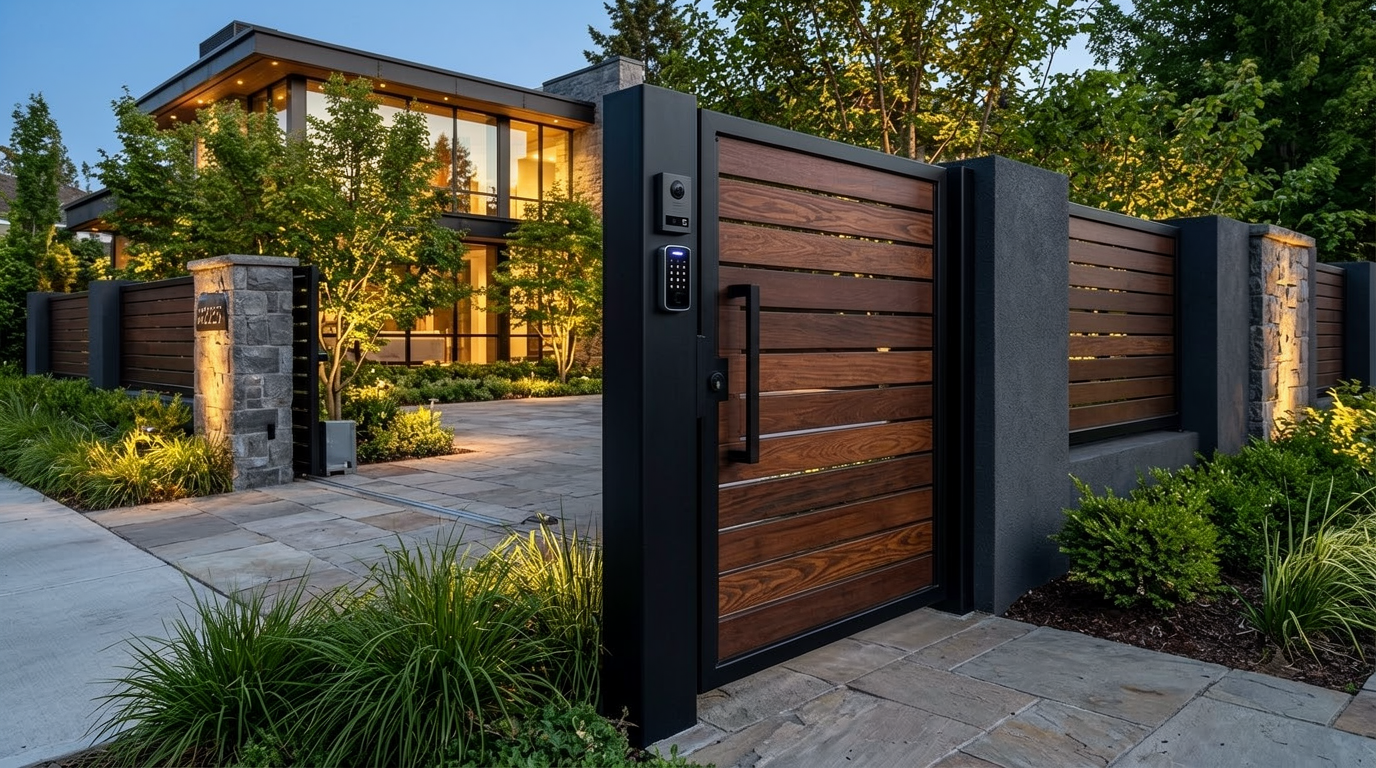
Choosing the right gate components is an important part of creating a secure, practical, and attractive entrance. Gates provide access control, support privacy, and contribute to the overall appearance of residential, commercial, and industrial properties. From hinges and latches to locks and handles, every component plays a role in how a gate operates and performs over time.
Understanding the different types of architectural gate hardware helps property owners, builders, architects, and contractors select suitable products for their projects. By considering materials, security requirements, design preferences, and environmental conditions, it becomes easier to create an entrance that combines reliable functionality with a polished appearance.
What Is Architectural Gate Hardware?
Architectural gate hardware refers to the functional and decorative components used to install, operate, secure, and maintain gates. These products are available in different designs, finishes, and materials to suit various gate styles and property requirements.
Common components include hinges, gate locks, latches, handles, bolts, hinges for heavy-duty applications, and closing mechanisms. Each component serves a specific purpose, whether it supports smooth movement, keeps the gate securely closed, or improves everyday convenience.
Selecting appropriate components is essential because a gate must withstand regular use, support its own weight, and operate safely under different weather conditions. The right combination also helps maintain a consistent appearance throughout the entrance.
Which Types of Gate Hardware Should You Consider?
The most suitable components depend on the gate’s design, installation location, weight, and intended use. Understanding the available options makes the selection process more straightforward.
Gate Hinges
Hinges allow swing gates to open and close smoothly. They must support the gate’s weight while maintaining proper alignment during regular operation.
Lightweight garden gates may require simple hinges, whereas large timber or metal gates often need stronger, heavy-duty options. Adjustable hinges can also help installers correct minor alignment issues after installation.
When choosing hinges, consider the gate’s dimensions, material, opening direction, and frequency of use. Corrosion-resistant finishes are particularly useful for outdoor installations exposed to rain and moisture.
Gate Locks and Latches
Locks and latches help keep gates closed and control access to a property. Basic latches may be suitable for garden entrances, while residential driveways and commercial premises may require more secure locking arrangements.
Available options include keyed locks, sliding bolts, magnetic latches, and compatible electronic locking systems. The choice should reflect the required level of security, the gate’s construction, and the needs of the people using the entrance.
It is also important to check whether the locking mechanism can be installed correctly without interfering with the gate’s movement.
Gate Handles
Handles make opening and closing gates easier while contributing to the overall design. They are available in modern, traditional, minimalist, and decorative styles.
Stainless steel and other durable finishes are popular choices for outdoor applications because they can offer good resistance to corrosion. The handle should be comfortable to grip and suitable for the gate’s size and intended use.
Closing Mechanisms and Accessories
Gate closers, drop bolts, stops, and additional fixing accessories can improve convenience and operation. Self-closing mechanisms may be useful where a gate needs to return to a closed position automatically.
However, these products must be compatible with the gate’s construction and operating requirements. For automated gates, all components should be selected according to the manufacturer’s specifications and applicable safety requirements.
How Do You Choose the Right Materials and Finishes?
Material selection affects durability, maintenance, appearance, and long-term performance. Outdoor gates are regularly exposed to environmental conditions, so choosing appropriate materials is especially important.
Stainless steel is often selected for its strength, modern appearance, and corrosion resistance. Aluminium can provide a lightweight option for suitable applications, while galvanised steel is commonly used where robust construction is required. Brass and decorative finishes may suit traditional or design-focused entrances.
Before purchasing, consider the local climate, exposure to moisture, proximity to coastal environments, and compatibility between different metals. Mixing unsuitable materials can increase the risk of corrosion or premature wear.
The finish should also complement the gate itself. Matte black, brushed metal, polished finishes, and other contemporary options can create different visual effects. Choosing coordinated components helps establish a consistent appearance across the entrance.
What Factors Matter When Selecting Gate Hardware?
Several practical considerations can help you make an informed decision.
Gate Weight and Dimensions
Every hinge, fixing, and supporting component must be appropriate for the gate’s size and weight. Undersized components may cause sagging, misalignment, or difficulty opening and closing the gate.
Check the manufacturer’s load ratings and installation guidance before making a selection.
Security Requirements
The hardware should match the property’s access control needs. A decorative garden entrance may require different locking features from a commercial facility or private driveway.
Consider the strength of the locking mechanism, the quality of the fixings, and whether additional access control is necessary.
Frequency of Use
A gate used several times a day may need more durable components than one opened occasionally. Busy residential driveways, shared entrances, and commercial premises benefit from hardware designed for repeated operation.
Weather Exposure
Outdoor components must withstand the conditions in which they will be installed. Rain, humidity, strong sunlight, and salty air can affect product performance.
Choose suitable materials and finishes, and follow maintenance recommendations to help extend the service life of the installation.
Design Compatibility
The hardware should complement the gate’s style without compromising function. Contemporary metal gates may suit clean, understated fittings, while traditional timber gates may benefit from more decorative handles and finishes.
Why Is Professional Installation Important?
Correct installation helps ensure that a gate operates smoothly, remains aligned, and uses its components as intended. Even high-quality products may perform poorly if the hinges are incorrectly positioned, the fixings are unsuitable, or the gate frame lacks adequate support.
A professional installer can assess the gate’s construction, identify appropriate fixing points, and ensure that the hardware is compatible with the opening and surrounding structure.
For automated gates, installation also requires attention to moving parts, electrical components, obstruction detection, and other relevant safety measures. Following manufacturer instructions and applicable local regulations is essential.
Professional advice can be particularly valuable for heavy gates, commercial entrances, and installations requiring specialised security features.
How Can You Maintain Gate Hardware?
Regular maintenance helps prevent avoidable wear and supports reliable operation. A simple inspection routine can identify issues before they become more serious.
Start by checking hinges, locks, handles, and fasteners for signs of looseness, rust, or damage. Clean exposed components using methods recommended by the manufacturer. Where appropriate, apply a compatible lubricant to moving parts.
Check that the gate opens and closes without scraping the ground or placing excessive pressure on the hinges. Misalignment, unusual noises, stiff locks, and loose fixings should be addressed promptly.
Avoid using harsh cleaning chemicals or unsuitable lubricants that may damage protective finishes. If a component is cracked, severely corroded, or no longer functions correctly, arrange a suitable repair or replacement.
Where Can You Find Suitable Architectural Gate Hardware?
Finding the right products begins with understanding the installation requirements. Builders, architects, contractors, and property owners should compare product specifications, material quality, load capacity, finish options, and compatibility before making a purchase.
When reviewing architectural gate hardware, it is helpful to assess whether the products meet the functional and aesthetic needs of the project. Clear product information, appropriate fixing accessories, and guidance on installation and maintenance can simplify the selection process.
It is also worth considering future maintenance and replacement needs. Choosing components with suitable specifications and readily identifiable product details can make ongoing care easier.
For specialised installations, consult a qualified supplier or installer who can recommend suitable components for the gate’s weight, location, and intended use.
Frequently Asked Questions
What is the most durable material for gate hardware?
Stainless steel, galvanised steel, and suitable aluminium products can all offer durability when selected for the correct application. The best option depends on the environment, gate weight, required strength, and maintenance expectations.
How do I know which hinges my gate needs?
Consider the gate’s weight, height, width, material, and opening direction. Check the manufacturer’s load ratings and installation requirements to ensure the hinges can support the gate safely.
Can gate hardware improve property security?
Yes. Suitable locks, latches, bolts, and access control components can help restrict unauthorised entry. However, overall security also depends on the gate structure, surrounding fencing, installation quality, and access management.
How often should gate hardware be maintained?
Inspect outdoor gate components periodically and follow the manufacturer’s maintenance schedule. Gates exposed to heavy use, moisture, or coastal conditions may need more frequent checks.
Is all gate hardware suitable for outdoor use?
No. Some products are designed for indoor or sheltered applications. Always check the material, finish, corrosion resistance, and manufacturer’s suitability guidance before installing components outdoors.
Conclusion
Choosing the right gate components involves more than selecting an attractive finish. Durability, security, compatibility, weather resistance, and ease of operation all contribute to a successful installation. By assessing these factors before purchasing, property owners and professionals can create entrances that function reliably and complement the surrounding architecture.
Careful product selection, correct installation, and regular maintenance help protect the investment and reduce avoidable repairs. Whether the project involves a small residential entrance or a larger commercial gate, understanding the available options makes it easier to achieve a practical, secure, and visually consistent result.