
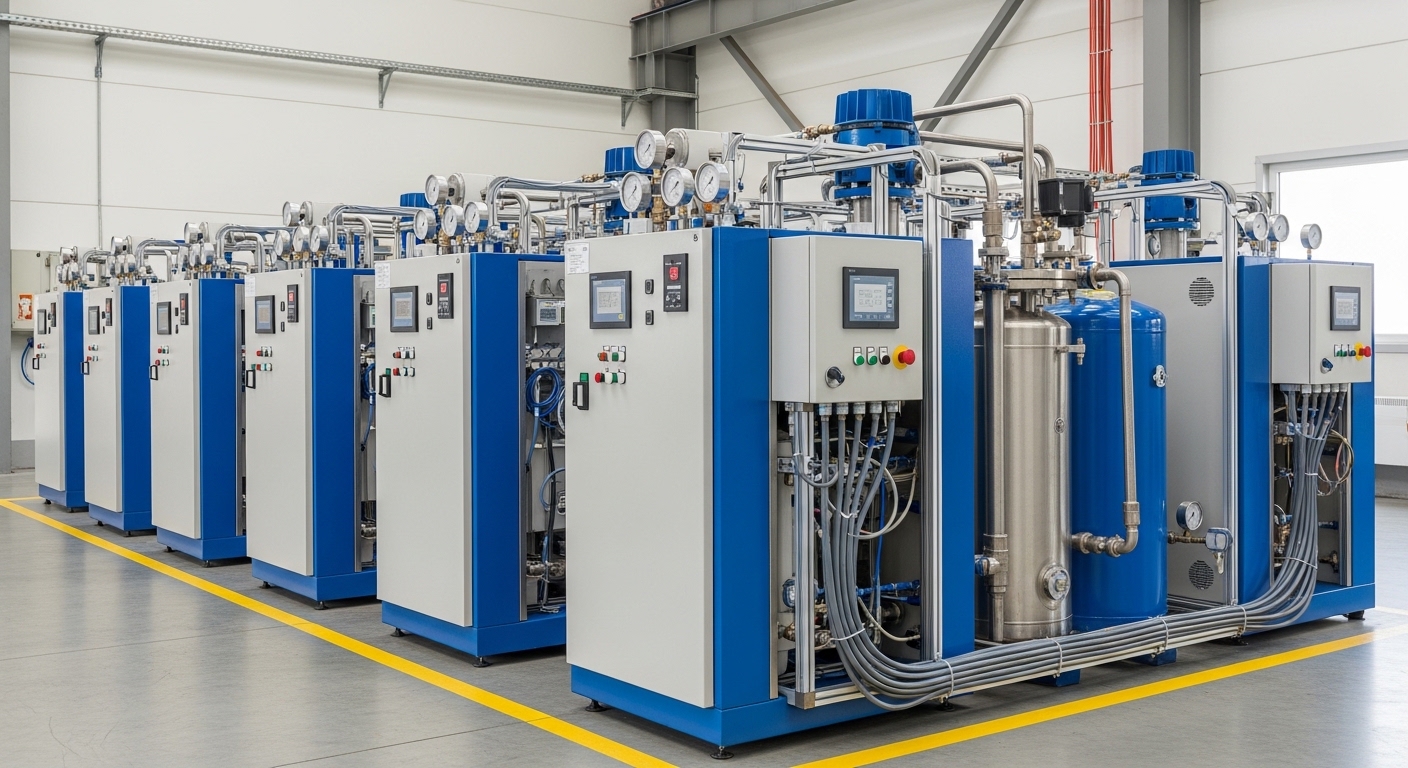
Moisture is one of the most common and damaging contaminants in compressed air systems. Installing reliable compressed air dryers ensures clean, dry air that protects equipment and maintains operational efficiency. Without proper moisture control, corrosion, product contamination and mechanical failure can occur. Understanding how air dryers function helps businesses safeguard both machinery and production quality.
Why Is Moisture a Problem in Compressed Air?
When air is compressed, water vapour condenses into liquid form. If not removed, this moisture travels through the system and affects downstream equipment.
- Causes internal corrosion in pipes and tanks
- Damages pneumatic tools and machinery
- Leads to inconsistent air pressure
- Contaminates sensitive production processes
Effective drying prevents long-term system deterioration.
How Do Compressed Air Dryers Work?
Air dryers remove moisture from compressed air before it reaches equipment. Different technologies are used depending on the required air quality standards.
- Cooling air to condense and remove water vapour
- Absorbing moisture through desiccant materials
- Separating condensed water via drainage systems
- Monitoring dew point to maintain dryness levels
Each method is designed to achieve specific performance outcomes.
What Types of Compressed Air Dryers Are Available?
Different industries require varying degrees of dryness. Selecting the right dryer depends on operational demands.
- Refrigerated dryers for general industrial use
- Desiccant dryers for ultra-dry air requirements
- Membrane dryers for smaller systems
- Heatless or heated regeneration models for specialised applications
Choosing the appropriate type ensures efficiency and compliance.
How Do Air Dryers Improve Equipment Lifespan?
Moisture accelerates wear and corrosion within compressed air systems. Removing it protects internal components and connected tools.
- Reduces rust formation in air tanks and pipelines
- Prevents valve and seal deterioration
- Maintains lubrication effectiveness in pneumatic systems
- Minimises costly breakdowns and downtime
Dry air supports consistent, long-term performance.
Can Air Dryers Improve Product Quality?
In many industries, air quality directly affects finished products. Contaminated air can compromise manufacturing processes.
- Prevents moisture-related defects in coatings and finishes
- Reduces contamination in food and packaging processes
- Maintains consistent operation of automated equipment
- Supports regulatory compliance for quality standards
Clean, dry air enhances overall production reliability.
How Does Dew Point Influence Dryer Selection?
Dew point refers to the temperature at which moisture condenses from compressed air. Understanding this measurement is crucial for system design.
- Lower dew points indicate drier air
- Critical for applications requiring moisture-free environments
- Influences the type and capacity of dryer selected
- Helps prevent condensation in pipelines
Accurate dew point control ensures stable air quality.
What Maintenance Is Required for Air Dryers?
Like all industrial equipment, air dryers require routine maintenance to operate effectively. Neglecting upkeep can reduce performance.
- Regular inspection of filters and drains
- Checking refrigerant levels in cooling systems
- Replacing desiccant materials when saturated
- Monitoring pressure drop across the dryer
Consistent servicing maintains efficiency and reliability.
Are Air Dryers Energy Efficient?
Modern dryer systems are designed to balance performance with energy use. Selecting the correct capacity prevents unnecessary consumption.
- Efficient heat exchange systems reduce power demand
- Automatic cycling minimises idle energy use
- Proper sizing avoids overworking the compressor
- Regular maintenance prevents efficiency loss
Energy-conscious operation lowers long-term operating costs.
Conclusion
Moisture control is fundamental to maintaining a reliable compressed air system. Investing in high-quality compressed air dryers protects equipment, improves product quality and reduces costly downtime. By selecting the appropriate dryer type and maintaining it properly, businesses can ensure consistent air performance and long-term system durability. Dry, clean air is essential for efficient and dependable operations.