
Funeral flower arrangements play an important role in memorial services across many cultures and traditions. They serve as a visual expression of sympathy, respect, and remembrance. Understanding proper etiquette and cultural considerations helps ensure that floral tributes are appropriate and meaningful during a sensitive time.
Understanding Funeral Flower Etiquette
When selecting funeral flower arrangements, the relationship to the deceased or their family often guides the type and size of the arrangement. Immediate family members typically choose larger displays such as casket sprays, standing sprays, or wreaths. Friends, colleagues, and extended relatives often send smaller standing sprays, baskets, or vase arrangements.
Timing is also important. Funeral flowers are usually delivered to the funeral home, church, or memorial venue before the service begins. Sympathy flowers, which are generally smaller arrangements, may be sent to the family’s home either before or after the service as a gesture of ongoing support.
Including a message card is considered appropriate. The message should be brief, respectful, and sincere. Expressions of condolence, remembrance, and support are customary, while overly lengthy or informal notes are generally avoided.
Types of Funeral Flower Arrangements
Different arrangements carry different meanings and purposes:
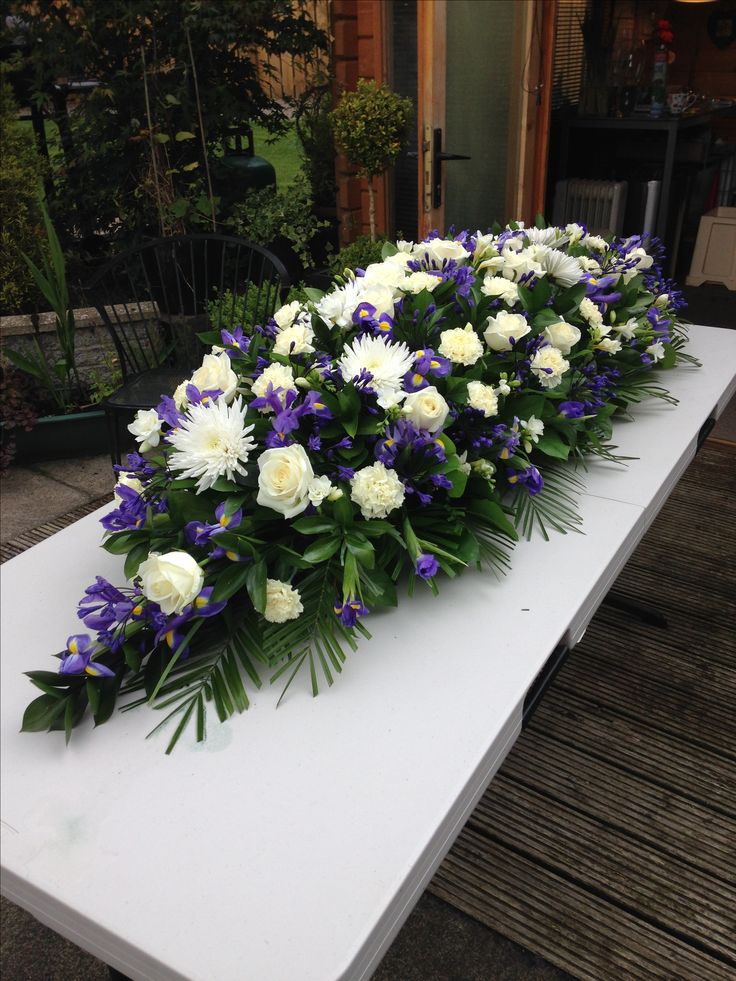
- Casket sprays are typically chosen by close family and placed directly on the casket.
- Standing sprays are displayed on easels and positioned around the service area.
- Wreaths symbolize eternity and continuous life.
- Bouquets and baskets are versatile options suitable for both services and homes.
- Floral crosses or hearts may reflect religious faith or personal sentiment.
Selecting an appropriate arrangement depends on the setting and the wishes of the family.
Cultural and Religious Considerations
Cultural traditions significantly influence funeral flower practices. In many Western traditions, flowers are a central part of memorial services. White flowers often symbolize peace and respect, while soft pastels convey sympathy and remembrance.
In some Asian cultures, white is traditionally associated with mourning, while bright colors may be considered inappropriate. Chrysanthemums are commonly linked to grief and remembrance in several European and Asian countries.
Certain religions have specific customs. For example:
- Some Jewish funerals traditionally discourage flowers, emphasizing simplicity and charitable donations instead.
- Islamic funeral traditions often focus on simplicity, and floral displays may not be customary.
- Christian services frequently include floral arrangements as symbols of hope and eternal life.
- Buddhist traditions may incorporate specific flower types and colors based on local customs.
Because practices vary widely, it is respectful to consider the family’s cultural or religious background before sending funeral flower arrangements.
Color and Flower Selection
White lilies, roses, and carnations are widely accepted choices due to their associations with peace and purity. Soft pinks and blues may also be appropriate. Bold, vibrant colors are sometimes chosen to celebrate the life of the deceased, especially if the service is described as a celebration of life.
When unsure, neutral and understated arrangements are generally considered safe and respectful.
FAQs
- Who should send funeral flower arrangements?
Friends, relatives, colleagues, and organizations may send arrangements. Immediate family members usually select larger displays. - Is it appropriate to send flowers to all religious services?
Not always. Some religions or families prefer charitable donations instead of flowers. Checking with the family or funeral notice can provide guidance. - What message should be written on a funeral flower card?
Short and sincere condolences, such as expressions of sympathy or remembrance, are appropriate. - When should funeral flower arrangements be delivered?
They are typically delivered before the funeral or memorial service begins.
Funeral flower arrangements, when chosen with care and cultural awareness, provide a meaningful way to honor a life and offer comfort during a time of loss.