
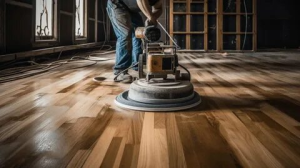
Timber floors add warmth, style and long-lasting value to any home. Over time, however, even the best-kept floors can show signs of wear. Scratches, dull patches and general ageing can take away their charm. Floor sanding and polishing across Castle Hill is a practical way to restore the appearance of timber surfaces while protecting them for the future. With the right preparation and care, floors can be revived without needing replacement.
Understanding the process makes it easier for homeowners to plan and maintain results that stand the test of time.
What preparation is needed before sanding begins?
Preparation is the first and most important step. The area needs to be cleared completely. Furniture, mats and plants should be taken out to give full access to the floor. Any nails, staples or loose boards need attention before sanding starts. This prevents damage to sanding equipment and ensures a smooth, even result.
Cleaning the surface also matters. Dust, dirt and small debris can interfere with the process. Some floors may require gap filling or light repairs beforehand. Sealing off adjacent rooms with plastic sheeting or drop cloths helps reduce the spread of dust to other areas.
A well-prepared space sets the stage for a clean and efficient sanding job.
How does the floor sanding process work?
Sanding involves removing the top layer of the timber to expose a fresh, even surface. This begins with coarse-grit sandpaper to strip old coatings and level uneven spots. As the process continues, medium and fine grits are used to smooth the floor further.
Different machines may be used depending on the layout. A large belt or drum sander covers the main area, while edge sanders reach tight spots and corners. In some cases, hand sanding is needed for detailed work. Each pass helps reduce imperfections and prepares the timber for polishing.
When sanding is finished, the floor is vacuumed and wiped to remove dust before the coating stage begins.
What options are available for polishing and finishing?
Once the surface is smooth, polishing adds both beauty and protection. The finish chosen affects appearance, durability and maintenance needs. Some people prefer a natural, low-sheen look, while others opt for a glossy finish that highlights the timber grain.
Common finishes include water-based coatings, oils and clear sealers. The number of coats applied will depend on the condition of the floor and the desired result. Each layer must dry fully before the next one is added. Good airflow and moderate temperatures help speed up the drying process.
A quality finish not only protects the timber but also enhances its character and colour.
How long does the process take from start to finish?
Timeframes vary depending on the size of the space and the condition of the flooring. Sanding alone may take a day or more, especially in larger areas. The polishing and drying stages can add extra time, as each coat needs to cure properly.
Weather, humidity and ventilation can affect drying speed. Planning ahead and limiting foot traffic during the process helps ensure a smooth and even finish. Pets and family members should be kept away from the space until the floor is fully cured.
Allowing adequate time ensures the final result is durable and long-lasting.
How can floors be maintained after sanding and polishing?
Care after the process is essential to preserving the finish. Avoid dragging furniture across the floor and place felt pads under legs and chairs. Regular sweeping or vacuuming prevents dirt from scratching the surface.
Spills should be wiped promptly with a damp cloth. Strong chemicals and abrasive tools can damage the finish, so use gentle cleaning products designed for timber floors. Over time, a light recoating may be needed to keep the surface protected.
Simple, consistent maintenance can help floors stay bright and strong for many years.
Conclusion
Restore and protect with floor sanding and polishing across Castle Hill is a practical way to bring life back to tired timber floors. With proper preparation, sanding techniques and finishing choices, homeowners can improve both appearance and durability. Ongoing maintenance keeps the results looking fresh and extends the lifespan of the flooring. This approach offers a cost-effective and long-term solution for preserving the natural beauty of timber surfaces.