
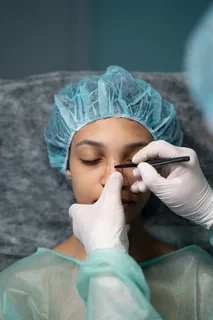
The shape of the nose plays an important role in overall facial balance, but even small differences in its structure can influence how a person feels about their appearance. Some individuals may be concerned about a prominent nasal bridge, a rounded or drooping tip, asymmetry, or breathing difficulties caused by structural issues. Rhinoplasty offers a surgical approach to addressing these concerns while maintaining natural-looking facial proportions. Understanding nose reshaping rhinoplasty can help individuals make informed decisions about the procedure, its benefits, limitations, and recovery process.
Whether someone wants to refine the appearance of their nose or correct an existing structural concern, learning about the surgical options and what to expect is an important first step. The right approach depends on individual anatomy, personal goals, and medical considerations.
What Is Rhinoplasty?
Rhinoplasty is a surgical procedure performed to change the shape, size, or structure of the nose. Commonly known as nose surgery, it can address aesthetic concerns as well as certain functional problems affecting nasal airflow.
The procedure may involve modifying bone, cartilage, skin, or a combination of these structures. Depending on the patient’s needs, a surgeon may reshape the nasal bridge, refine the tip, adjust the nostrils, or improve overall symmetry.
Rhinoplasty is generally performed for two main reasons:
- Cosmetic purposes: To improve nasal proportions, refine specific features, and create better balance with the rest of the face.
- Functional purposes: To address structural problems, such as a deviated septum or nasal abnormalities, that interfere with breathing.
In some cases, both aesthetic and functional improvements can be considered during the same surgical procedure.
Common Reasons People Consider Nose Surgery
Every person’s nasal structure is different, and concerns can vary depending on facial anatomy, previous injuries, and individual preferences. Some common reasons for considering surgery include:
1. A prominent nasal bridge
A noticeable bump or uneven contour along the bridge can make the nose appear more prominent. Surgical reshaping can help create a smoother profile.
2. A wide or rounded nasal tip
Some individuals prefer a more refined nasal tip. The surgeon may adjust the underlying cartilage to improve definition while maintaining natural proportions.
3. Crooked or asymmetrical nose
A nose that appears uneven may result from genetics, previous trauma, or structural differences. Surgery can help improve alignment and symmetry.
4. Wide nostrils
Some patients may wish to reduce the width or improve the shape of their nostrils. This can involve carefully removing or repositioning small amounts of tissue.
5. Breathing difficulties
Structural concerns, including a deviated septum or internal nasal obstruction, may affect airflow. Functional correction may be recommended after a proper medical evaluation.
Types of Rhinoplasty Procedures
The surgical technique depends on the changes required, the complexity of the case, and the patient’s nasal anatomy. Two commonly used approaches are open and closed rhinoplasty.
Open Rhinoplasty
Open rhinoplasty involves making a small incision across the columella, the tissue separating the nostrils. This allows the surgeon to lift the nasal skin and access the underlying structures.
It is often considered when more detailed reshaping is necessary, particularly for complex nasal corrections or significant tip modifications.
Potential advantages include:
- Better visibility of the nasal framework.
- Greater access to cartilage and bone.
- Improved control during complex structural modifications.
Closed Rhinoplasty
Closed rhinoplasty involves making incisions inside the nostrils, without an external incision across the columella.
This approach may be suitable for selected patients who require less extensive modifications.
Potential advantages include:
- No visible external incision.
- Potentially less soft-tissue disruption.
- Suitable for certain straightforward nasal corrections.
The choice between these approaches should be based on the patient’s requirements rather than assuming one technique is always better.
What Happens During the Procedure?
Before surgery, the surgeon evaluates the patient’s facial proportions, nasal structure, skin thickness, and medical history. Photographs may also be taken to understand the existing nasal shape and discuss realistic outcomes.
The procedure generally follows these steps:
- Anaesthesia: Rhinoplasty is commonly performed under general anaesthesia, although the choice depends on the procedure and clinical circumstances.
- Incisions: The surgeon makes incisions using the selected surgical approach.
- Structural modification: Bone and cartilage are carefully reshaped, repositioned, or supported according to the surgical plan.
- Correction and refinement: The surgeon checks the nasal structure and makes the planned adjustments.
- Closure: Incisions are closed, and a splint or other support may be applied to protect the nose during initial healing.
The duration varies depending on the complexity of the surgery and whether additional functional corrections are required.
Who Is a Suitable Candidate?
Not everyone interested in changing their nasal appearance is automatically suitable for surgery. A detailed consultation helps determine whether the procedure is appropriate.
Generally, suitable candidates may include individuals who:
- Are physically healthy and have no medical conditions that significantly increase surgical risks.
- Have completed most of their facial growth.
- Have specific and realistic expectations about the results.
- Are concerned about the appearance or function of their nose.
- Understand the recovery process and potential complications.
People considering surgery should also discuss their medical history, medications, allergies, and previous nasal procedures with their surgeon.
Recovery and Healing After Surgery
Recovery is an important part of the surgical process. Although the initial healing period is relatively short, complete refinement of the nasal shape takes considerably longer.
During the first week, patients may experience swelling, bruising around the eyes, nasal congestion, and mild discomfort. A splint is often used to support and protect the nose during this stage.
General recovery expectations include:
- First week: Swelling and bruising are usually most noticeable. The external splint may be removed according to the surgeon’s instructions.
- Second week: Visible bruising generally improves, and many patients can gradually return to routine activities.
- First month: Much of the initial swelling subsides, although the nose may still feel swollen or sensitive.
- Three to six months: Further refinement becomes noticeable as deeper swelling gradually decreases.
- Up to one year or longer: Final results may continue developing, particularly around the nasal tip.
Patients should follow their surgeon’s instructions carefully. They are generally advised to avoid strenuous exercise, contact sports, pressure on the nose, and wearing glasses directly on the nasal bridge until cleared by their surgeon.
Possible Risks and Complications
Like any surgical procedure, rhinoplasty carries certain risks. Understanding these possibilities helps patients make informed decisions.
Potential complications include:
- Infection or excessive bleeding.
- Anaesthesia-related complications.
- Persistent swelling or temporary numbness.
- Scarring or delayed healing.
- Nasal asymmetry or dissatisfaction with the cosmetic outcome.
- Breathing difficulties or changes in nasal airflow.
- The possibility of revision surgery.
Choosing a qualified, experienced surgeon and following postoperative instructions can help reduce avoidable risks. However, no surgical procedure can guarantee a particular result.
How to Prepare for a Rhinoplasty Consultation
A consultation is an opportunity to understand the procedure and determine whether it matches your expectations. Patients should consider discussing the following questions:
- Which surgical technique is appropriate for my nasal structure?
- Can my aesthetic and functional concerns be addressed together?
- What results are realistically achievable?
- What are the possible risks in my case?
- How long will recovery take?
- Will I need additional procedures or follow-up treatment?
It is also helpful to review the surgeon’s qualifications, experience, surgical facility, and before-and-after photographs of relevant cases.
Conclusion
Rhinoplasty can address a range of aesthetic and structural concerns, from refining the nasal bridge and tip to improving certain breathing difficulties. However, successful outcomes depend on careful evaluation, appropriate surgical planning, realistic expectations, and proper aftercare. Anyone considering nose reshaping rhinoplasty should consult a qualified facial plastic surgeon or rhinoplasty specialist to understand the available techniques, potential risks, and expected results. Making an informed decision is the foundation of achieving a balanced, natural-looking outcome while prioritising nasal function and long-term health.