
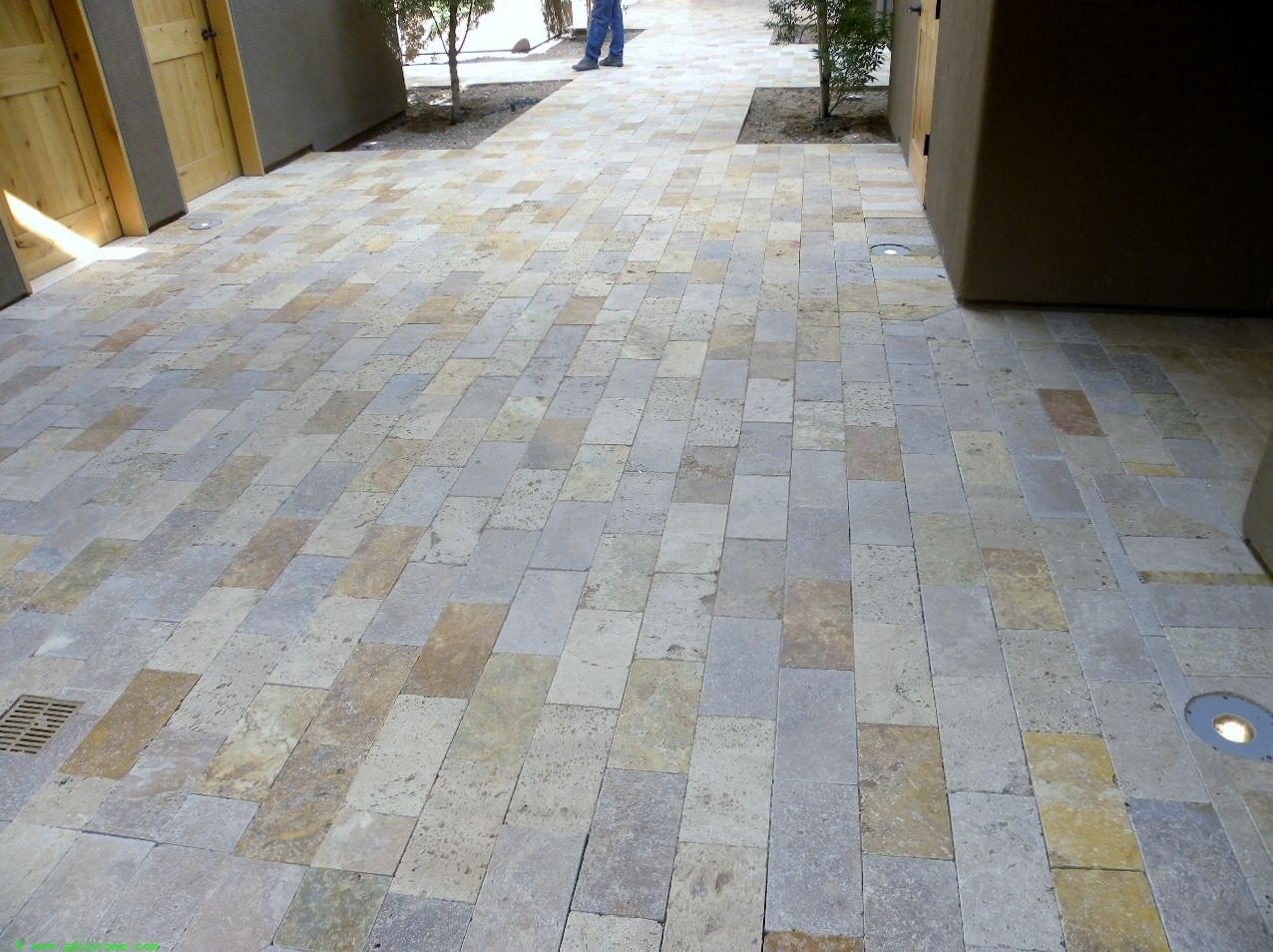
Choosing the right flooring material is an important part of designing a beautiful and functional home. Flooring influences the overall appearance of a property, its comfort, and how well different spaces work together. Homeowners often look for materials that offer a balance of durability, natural beauty, and easy maintenance. Natural stone has become a popular option because it adds character and creates a timeless appearance that suits different architectural styles.
Travertine is one such natural stone that works well in both indoor and outdoor applications. Its unique patterns, earthy colours, and textured finishes make it suitable for living rooms, kitchens, patios, garden pathways, and pool surrounds. With the right selection and installation, this material can complement modern interiors as well as traditional home designs.
For homeowners exploring travertine tiles in Sydney, understanding the available finishes, benefits, applications, and maintenance requirements can help make the selection process easier.
What Makes Travertine a Popular Natural Stone?
Travertine is a type of natural limestone formed through mineral deposits, commonly around natural springs. It has distinctive patterns, small natural pores, and subtle colour variations that give each piece a unique appearance.
Unlike manufactured flooring materials, travertine offers natural variations in texture and shade. These features make it suitable for homeowners who prefer organic materials and timeless designs.
Some commonly available colours include:
- Ivory: Creates a bright and spacious appearance.
- Beige: Adds warmth and complements neutral interiors.
- Silver: Provides a contemporary look for modern properties.
- Walnut: Introduces deeper earthy tones into a space.
- Cream: Offers a soft and elegant appearance.
These colour options make it easier to coordinate natural stone flooring with furniture, wall colours, outdoor landscaping, and architectural features.
What Are the Main Benefits of Travertine Flooring?
Travertine offers several benefits that make it a practical and attractive flooring option for residential properties.
Natural and Elegant Appearance
One of the biggest advantages of natural stone is its distinctive appearance. Travertine features organic patterns and colour variations that create visual interest without making a space look overly decorative.
It works particularly well with timber furniture, neutral wall colours, natural lighting, and contemporary interior designs.
Suitable for Indoor and Outdoor Spaces
Travertine can be used in different areas of a property, depending on its finish, thickness, and installation requirements.
Indoor applications include living rooms, kitchens, bathrooms, hallways, and entryways. Outdoor applications include patios, balconies, garden pathways, and pool surrounds.
Using complementary finishes across different areas can help create a consistent design throughout the property.
Long-Term Durability
When properly selected and installed, travertine can provide a durable flooring surface. Its performance depends on stone quality, installation methods, surface preparation, and maintenance.
Choosing suitable products for the intended application is important, particularly in areas exposed to moisture and changing weather conditions.
Versatile Design Options
Travertine is available in different sizes, colours, patterns, and finishes. Homeowners can select large-format tiles for spacious areas or smaller pieces for detailed flooring designs.
Different laying patterns, such as straight, diagonal, and French pattern layouts, also provide opportunities to customise the overall appearance.
Natural Material
Travertine is formed naturally rather than manufactured using synthetic materials. Its individual patterns and textures appeal to homeowners who prefer natural stone in their living environments.
Where Can You Use Travertine Tiles Around Your Property?
The versatility of natural stone makes it suitable for several residential applications.
Living Rooms
Living rooms are among the most frequently used spaces in a home. Travertine flooring can create a sophisticated appearance while complementing different furniture styles.
Lighter shades can make smaller rooms feel more open, while warmer tones create a comfortable atmosphere.
Kitchens
Kitchen flooring needs to handle regular foot traffic, spills, and cleaning. Travertine can be used in kitchens when an appropriate finish and suitable protective treatment are selected.
Since natural stone can absorb liquids, prompt cleaning and suitable sealing are important for reducing staining.
Bathrooms
Travertine can add a spa-inspired appearance to bathrooms. However, wet areas require careful consideration of surface texture and slip resistance.
Honed or appropriately textured finishes are generally more suitable than highly polished surfaces in areas exposed to water. Always check the product’s technical specifications before installation.
Patios and Outdoor Entertainment Areas
Outdoor spaces provide opportunities to incorporate natural stone into landscaping and entertaining areas.
Travertine pavers can complement garden furniture, outdoor kitchens, landscaped gardens, and covered patios. For exposed areas, select products designed for outdoor conditions and ensure proper drainage.
Swimming Pool Surrounds
Travertine is also used around swimming pools because selected finishes provide a natural appearance that complements water and outdoor landscaping.
For pool surrounds, slip resistance, water exposure, surface temperature, and barefoot comfort should be considered before choosing a product.
How to Choose the Right Travertine Finish?
Selecting the correct finish is important because it influences the appearance, texture, and suitability of the stone.
Here are some common options:
- Honed finish: Provides a smooth, matte appearance suitable for many interior applications.
- Tumbled finish: Features softened edges and a naturally aged appearance, often used outdoors.
- Brushed finish: Offers a slightly textured surface that creates an organic look.
- Filled finish: Has natural pores filled to create a more even surface.
- Unfilled finish: Retains the stone’s natural pores and textured character.
The right choice depends on where the stone will be installed, the desired appearance, and the maintenance requirements.
What Should You Consider Before Buying Travertine?
Before purchasing natural stone, consider a few important factors.
Stone Quality
Inspect the stone for visible cracks, inconsistent thickness, and surface defects. Natural variations are normal, but the material should meet the required quality standards.
Colour Consistency
Travertine naturally varies in shade and pattern. Request samples and inspect multiple pieces together to understand how the final installation may look.
Slip Resistance
For bathrooms, pool surrounds, and outdoor areas, check the tested slip-resistance rating and choose a suitable finish.
Installation Requirements
Natural stone requires proper surface preparation, suitable adhesives, appropriate joint spacing, and professional installation techniques.
Overall Budget
Consider more than the purchase price. Include installation, surface preparation, sealing, cleaning products, and future maintenance when calculating the total project cost.
How to Maintain Travertine Flooring?
Regular maintenance helps preserve the appearance and condition of natural stone.
Follow these simple practices:
- Sweep or vacuum regularly to remove dust and loose dirt.
- Clean the surface using a pH-neutral stone cleaner.
- Wipe spills quickly to reduce the possibility of staining.
- Avoid acidic cleaners such as vinegar and lemon-based solutions.
- Apply a suitable stone sealer when recommended.
- Use protective pads beneath heavy furniture to minimise scratches.
- Check outdoor surfaces for loose pieces, damaged joints, and drainage problems.
The correct cleaning and sealing schedule depends on the stone finish, installation location, and level of use.
Frequently Asked Questions
Are travertine tiles suitable for Sydney homes?
Yes, travertine is suitable for many residential applications in Sydney. It can be used indoors and outdoors when the correct product, finish, and installation method are selected.
Is travertine better than porcelain tiles?
Both materials have advantages. Travertine offers natural patterns and individual colour variations, while porcelain provides consistent designs and generally lower porosity. The better option depends on the intended application, budget, and maintenance preferences.
Does travertine require sealing?
Many travertine products benefit from sealing because natural stone is porous. A suitable sealer can help reduce moisture absorption and staining, although it does not make the stone completely stain-proof.
Can travertine be used around swimming pools?
Yes, selected travertine products are commonly used around pools. Choose a finish with suitable slip resistance and ensure the installation includes appropriate drainage.
Is travertine easy to maintain?
Travertine is relatively straightforward to maintain with regular cleaning and suitable stone-care products. Avoid harsh chemicals and clean spills promptly to protect its surface.
Conclusion
Natural stone flooring can add lasting character, warmth, and visual appeal to residential properties. From elegant living rooms and practical kitchens to attractive patios and swimming pool surrounds, travertine offers versatile design possibilities. Homeowners considering travertine tiles in Sydney should focus on stone quality, colour, surface finish, slip resistance, and installation requirements before making a decision. With proper selection, professional installation, and regular maintenance, travertine flooring can remain an attractive feature of a home for many years.