
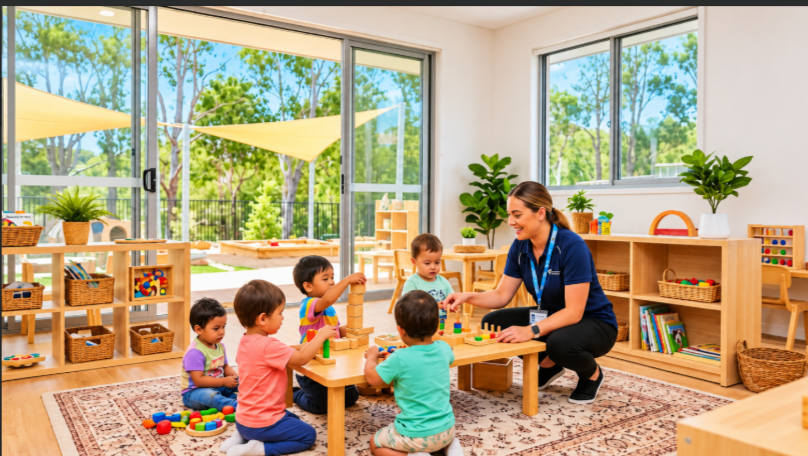
Early childhood education plays an important role in a child’s development. During the early years, children begin developing communication skills, confidence, creativity, social behaviour, and the ability to understand the world around them. Skilled childcare educators help support this growth by creating safe, engaging, and supportive learning environments.
For individuals who enjoy working with children and want to build a career in the education sector, a diploma of early childhood education and care in Sydney can be a valuable study option. This qualification helps learners develop the knowledge and practical skills needed to work in early learning environments. It also introduces them to child development, educational activities, health, safety, and professional responsibilities.
What Is a Diploma in Early Childhood Education and Care?
A Diploma in Early Childhood Education and Care is a vocational qualification designed for people interested in working with young children. It focuses on developing the skills required to support children’s learning, wellbeing, and development in early childhood settings.
The course generally combines theoretical learning with practical experience. Students explore how children grow, learn, communicate, and interact with others. They also learn how to plan suitable activities, maintain safe environments, and build positive relationships with children and families.
Before enrolling, students should check the current course code, qualification requirements, and recognition status with the training provider.
What Do Students Learn During the Course?
The course covers several important areas of early childhood education. These subjects help learners understand the responsibilities involved in caring for and educating young children.
Child Development and Learning
Students learn about the different stages of childhood development, including physical, emotional, social, language, and cognitive growth. This knowledge helps educators understand children’s individual needs and choose suitable learning activities.
Planning Educational Activities
Learners develop skills in planning experiences that encourage creativity, communication, exploration, and problem-solving. Activities may include storytelling, drawing, music, outdoor play, and group learning.
Health, Safety, and Wellbeing
Maintaining a safe environment is an essential responsibility in childcare. Students learn about hygiene practices, supervision, nutrition, risk management, and procedures that support children’s health and wellbeing.
Building Relationships With Families
Communication with parents and families is an important part of early childhood education. Training helps students understand how to share information, listen to family concerns, and build respectful relationships.
Supporting Inclusive Learning
Every child has different abilities, interests, backgrounds, and learning requirements. Students explore ways to create inclusive environments where children feel respected, supported, and encouraged to participate.
Why Choose Early Childhood Education as a Career?
Working in early childhood education offers an opportunity to contribute to children’s learning and development. It can be a rewarding career for individuals who enjoy helping others and creating positive experiences for young learners.
Some reasons people consider this career include:
- The opportunity to support children’s early development.
- Opportunities to work in childcare and early learning centres.
- A career that combines education, creativity, and practical skills.
- Opportunities to develop communication and leadership abilities.
- Scope for further study and professional development.
The sector includes different roles and responsibilities, allowing qualified professionals to explore career pathways based on their experience and interests.
What Career Opportunities Are Available After Completing the Course?
After completing the relevant qualification and meeting applicable employment requirements, graduates may explore several opportunities in the early childhood education sector.
Early Childhood Educator
Early childhood educators support children’s daily routines, learning experiences, social development, and wellbeing in early learning environments.
Childcare Room Leader
With suitable experience and employer requirements, professionals may progress into room leader positions. These roles involve supporting educators, organising activities, and helping maintain quality learning environments.
Family Day Care Educator
Family day care educators provide care and learning experiences in an approved home-based setting, subject to relevant regulatory and registration requirements.
Early Learning Centre Educator
Graduates may seek opportunities in long day care centres and other early learning services. Their responsibilities may include supervising children, preparing activities, and supporting daily routines.
Career opportunities depend on the qualification completed, practical experience, employer expectations, and applicable regulations.
Why Study Early Childhood Education in Sydney?
Sydney offers a range of education and training options for people interested in entering the childcare sector. Students can compare different providers, course structures, learning facilities, and practical placement arrangements.
When choosing a training provider, it is important to check whether the course is nationally recognised and delivered by an appropriately registered training organisation. Students should also review the available support services, trainer experience, assessment methods, and placement arrangements.
Studying in Sydney may also provide access to a variety of early learning environments where students can gain an understanding of different childcare settings.
What Should You Consider Before Enrolling?
Choosing the right course requires careful research. Before making a decision, consider the following factors:
- Course recognition: Confirm that the qualification is nationally recognised and check its current status.
- Entry requirements: Review the academic, language, and other eligibility requirements.
- Practical placement: Ask about placement hours, arrangements, and workplace expectations.
- Course duration: Understand the study schedule and expected completion time.
- Fees and payment options: Check the complete course cost and any additional expenses.
- Student support: Look for providers offering guidance with learning, assessments, and placement preparation.
It is also useful to understand any screening, background check, first aid, or other requirements that may apply before working with children.
Conclusion
A career in early childhood education allows individuals to support children’s learning, development, and wellbeing during an important stage of life. The right training can help learners develop practical knowledge, understand professional responsibilities, and prepare for opportunities in childcare settings.
A diploma of early childhood education and care in Sydney may be a suitable option for people who want to enter this field and build relevant skills. By comparing recognised training providers, reviewing course requirements, and understanding career opportunities, students can make an informed decision about their future in early childhood education.