
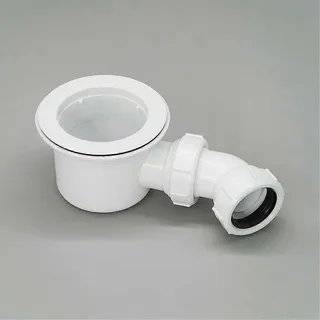
A well-functioning bathroom drainage system is essential for maintaining hygiene, preventing unpleasant odours, and managing wastewater effectively. Every component of the drainage system plays an important role in keeping the bathroom clean and comfortable. While shower fittings, floor tiles, and waterproofing often receive the most attention, drainage components also deserve careful consideration.
A shower waste trap is an important plumbing component that allows wastewater to flow away while helping prevent unpleasant sewer gases from entering the bathroom. It creates a water seal within the drainage system, providing an effective barrier between the bathroom and the connected sewer pipes.
Whether building a new bathroom, renovating an existing shower, or replacing an outdated drainage component, understanding how this system works can help homeowners, builders, and plumbers make better decisions.
What Is a Shower Waste Trap?
A shower waste trap is a plumbing fitting installed beneath the shower drain to collect wastewater and prevent sewer gases from travelling back through the drainage outlet.
It generally contains a curved section or specially designed chamber that retains a small amount of water. This retained water creates a seal that blocks unpleasant smells from entering the bathroom while still allowing wastewater to pass through.
These traps are commonly installed beneath shower floor wastes and are available in different designs, sizes, and configurations to suit various plumbing arrangements.
The correct product depends on the shower layout, available installation depth, pipe connections, and local plumbing requirements.
How Does a Shower Drain Trap Work?
The working principle is relatively simple. When someone uses the shower, water flows through the floor grate and enters the drainage pipe.
As wastewater passes through the trap, a small quantity of water remains inside its curved section or chamber. This water creates a barrier that prevents sewer gases from moving backwards through the pipework.
The process generally involves three stages:
- Water enters through the shower drain opening.
- Wastewater passes through the trap and continues towards the connected drainage system.
- A small amount of water remains inside the trap, maintaining the protective seal.
This arrangement allows normal drainage while helping prevent unpleasant sewer odours from entering the bathroom.
What Are the Main Benefits of Installing a Shower Waste Trap?
A properly selected drainage trap offers several practical benefits for residential and commercial bathrooms.
Helps Prevent Unpleasant Odours
One of the main purposes of a drainage trap is to prevent sewer gases from entering indoor spaces.
The retained water creates a physical barrier between the bathroom and the drainage pipework. This helps maintain a more comfortable indoor environment, particularly in bathrooms with limited ventilation.
Supports Better Bathroom Hygiene
A properly functioning drainage system helps wastewater move away from the shower area instead of allowing it to collect around the floor outlet.
Combined with regular cleaning, an appropriate trap supports better bathroom hygiene and helps reduce problems associated with stagnant wastewater.
Helps Reduce Drainage Problems
The trap forms part of the drainage pathway and must be compatible with the connected pipework. Choosing a suitable design and maintaining it regularly can help support consistent water flow.
Some designs also provide access for removing accumulated hair and debris, making routine maintenance easier.
Suitable for Different Bathroom Layouts
Modern drainage products are available in different configurations to accommodate various shower designs.
Compact traps can be suitable for installations with limited floor depth, while other designs provide different outlet orientations to suit specific plumbing arrangements.
This flexibility makes it easier to select a suitable component for new bathrooms and renovation projects.
Supports Long-Term Plumbing Performance
A quality drainage component made from suitable materials can provide reliable service when correctly installed and maintained.
Choosing products that meet the requirements of the plumbing system helps reduce the possibility of compatibility issues and unnecessary replacement work.
What Are the Different Types of Shower Waste Traps?
Different trap designs are available depending on installation requirements and bathroom construction.
P-Traps
A P-trap features a curved pipe section that retains water to create a protective seal. It is commonly used in plumbing applications where the waste outlet connects horizontally to the drainage pipe.
Its suitability depends on the available pipe arrangement and installation space.
Bottle Traps
Bottle traps feature a compact chamber that holds water to create a seal. Their design can make them suitable for certain plumbing installations where space is limited.
However, compatibility with the shower drainage outlet and required flow capacity should always be checked.
Integrated Shower Traps
Some shower drainage systems include an integrated trap within the drain assembly.
These products combine the drainage outlet and trap into one coordinated unit, which can simplify product selection and installation when the system is designed for the intended application.
Removable Cleaning Traps
Certain drainage designs include removable internal components that provide access for clearing hair and debris.
These options can be useful in frequently used showers where regular cleaning is necessary.
How Do You Choose the Right Shower Drain Trap?
Selecting the correct product involves evaluating several important factors.
Check the Outlet Size
The trap must match the shower drain outlet and connected waste pipe dimensions. Check the manufacturer’s measurements before purchasing to avoid compatibility problems.
Consider Installation Space
Available floor depth and pipe positioning can influence which trap design is suitable.
Compact bathrooms and renovation projects may have additional installation restrictions, so accurate measurements are important.
Evaluate Water Flow Capacity
The trap should handle the expected shower water flow without causing slow drainage.
Check the manufacturer’s flow-rate specifications and ensure the selected product is suitable for the shower fittings being used.
Choose Suitable Materials
Drainage traps are available in different materials, including plastic and other plumbing-grade materials.
Consider durability, chemical resistance, maintenance requirements, and compatibility with the surrounding drainage system.
Check Maintenance Accessibility
A design that allows convenient cleaning can make ongoing maintenance easier. Removable components can help users clear accumulated hair, soap residue, and other debris.
How Do You Maintain a Shower Waste Trap?
Regular maintenance helps keep the drainage system working correctly and reduces the risk of blockages.
Follow these simple practices:
- Remove visible hair and debris from the shower grate regularly.
- Clean accessible trap components according to manufacturer instructions.
- Use suitable cleaning products that will not damage the plumbing materials.
- Check for slow drainage and unusual smells.
- Inspect removable components for accumulated residue.
- Ensure the water seal remains intact.
- Seek professional assistance if recurring blockages or odours develop.
If a shower is rarely used, the water inside the trap may evaporate over time. Running water periodically can help restore the water seal.
Persistent sewer smells may also indicate a damaged trap, poor installation, inadequate ventilation, or another plumbing issue that requires inspection.
Frequently Asked Questions
Why does a shower drain need a trap?
A drainage trap retains water to create a seal that helps prevent sewer gases and unpleasant odours from entering the bathroom through the drain.
Why does my shower drain smell unpleasant?
Common causes include accumulated hair, soap residue, organic debris, an evaporated water seal, or a damaged plumbing component. Cleaning the drain and checking the trap can help identify the problem.
How often should a shower trap be cleaned?
Cleaning frequency depends on shower usage and the amount of hair and debris entering the drain. Regular inspection and cleaning whenever buildup appears can help prevent blockages.
Can a shower trap become blocked?
Yes. Hair, soap residue, dirt, and other debris can accumulate inside the trap and restrict water flow. Regular maintenance helps reduce this risk.
Can I replace a shower waste trap myself?
Replacement may require access beneath the shower floor and changes to the plumbing connections. Professional assistance is recommended to ensure correct installation, waterproofing, and compliance with applicable plumbing requirements.
Conclusion
An effective bathroom drainage system requires suitable components that work together to manage wastewater and maintain hygiene. A properly selected shower waste trap helps prevent sewer gases from entering the bathroom while allowing wastewater to flow into the connected drainage system.
By considering outlet dimensions, installation space, water flow capacity, material quality, and maintenance accessibility, homeowners and plumbers can choose a suitable solution for their bathroom. Regular cleaning and correct installation also help maintain reliable drainage performance.