
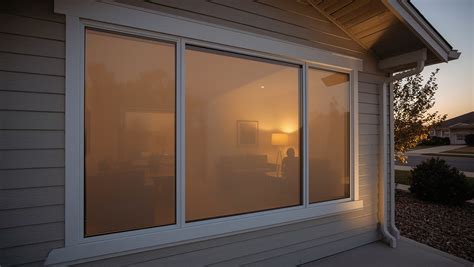
Large windows provide natural light and outdoor views, but they can also expose living spaces to neighbouring properties, pedestrians and passing traffic. For Australian homeowners, maintaining privacy without permanently closing curtains or blinds can be challenging, particularly in densely populated residential areas.
Home window tinting for privacy offers a practical way to manage visibility through glass while maintaining a comfortable indoor environment. Depending on the film selected, window tinting can also reduce glare, limit ultraviolet exposure and improve solar heat control.
However, not all privacy films perform equally. Understanding their characteristics is essential before deciding which option suits your property.
How Privacy Window Tinting Works
Privacy window films alter the way light passes through or reflects from glass.
Some films use reflective coatings to make it more difficult to see inside during daylight hours. Others create a frosted or translucent appearance that obscures details while allowing natural light to enter.
The level of privacy depends on several factors, including:
- Film type: Reflective, frosted and decorative films provide different visibility characteristics.
- Visible light transmission: Determines how much daylight passes through the treated glass.
- Lighting conditions: Differences between indoor and outdoor brightness influence visibility.
- Window positioning: Street-facing and neighbouring windows may require different treatments.
- Film coverage: Full-window and partial applications provide varying degrees of screening.
Understanding these differences helps homeowners avoid choosing films that do not meet their expectations.
Daytime Privacy Versus Night-Time Privacy
One of the most important considerations is how privacy films perform after sunset.
Reflective window films typically provide greater daytime privacy when exterior lighting is brighter than the interior.
However, when indoor lights are switched on at night, visibility from outside can increase significantly.
This means reflective films should not be relied upon for continuous privacy.
For bathrooms, bedrooms and other areas requiring consistent screening, frosted or opaque films may be more suitable.
Curtains or blinds can also complement window tinting where adjustable privacy is preferred.
Choosing the Right Privacy Film for Different Rooms
Different areas of a home require different levels of visibility, daylight and screening.
Living Rooms and Street-Facing Windows
Reflective or lightly tinted films may help reduce daytime visibility from the street while preserving outdoor views.
The appropriate film should balance privacy requirements with the desired level of natural light.
Bathrooms and Entryways
Frosted films provide visual screening without requiring heavily darkened glass.
They are particularly useful for bathroom windows, entrance panels and glass doors where clear visibility is unnecessary.
Bedrooms
Bedrooms often require privacy during both daytime and evening hours.
Translucent or opaque films can provide consistent screening, although homeowners may prefer blinds or curtains where complete darkness is required for sleeping.
Home Offices
Window films can reduce distracting glare and limit visibility into workspaces.
This may be beneficial for rooms containing computer screens, confidential documents or equipment positioned near windows.
Additional Benefits Beyond Privacy
Privacy is often the primary reason for installing window film, but certain products offer additional performance features.
Reduced UV Exposure
Many residential window films can block a substantial proportion of ultraviolet radiation.
This may help reduce UV-related fading of furniture, carpets, flooring and other interior materials.
However, visible light and heat also contribute to fading, so window film cannot prevent deterioration entirely.
Improved Solar Heat Control
Some privacy films also reduce solar heat gain by reflecting or absorbing incoming solar energy.
This can improve comfort in rooms exposed to direct sunlight and may reduce cooling requirements under suitable conditions.
Actual energy savings depend on glazing, insulation, window orientation and household energy usage.
Glare Management
Appropriate films can reduce excessive brightness on televisions and computer monitors.
However, darker films may also reduce natural daylight, making careful product selection important.
Does Privacy Window Tinting Improve Home Security?
Privacy films can make it more difficult for people outside to view belongings or activities inside a property under suitable lighting conditions.
However, privacy should not be confused with physical security.
Standard privacy films are not necessarily designed to strengthen glass or resist forced entry.
Specialised safety and security films have different performance characteristics and must be assessed according to their intended application.
Homeowners should avoid relying on privacy tinting as a replacement for suitable locks, security glazing or other protective measures.
What to Check Before Installing Window Film
When considering home window tinting for privacy, homeowners should evaluate both film performance and compatibility with existing windows.
Important considerations include:
- Glass type, thickness and existing coatings.
- Compatibility with double-glazed or low-emissivity glass.
- Required daytime and night-time privacy.
- Desired natural light transmission.
- Manufacturer warranties and maintenance requirements.
- Installation quality and expected service life.
Some film and glazing combinations can increase thermal stress, making professional product assessment particularly important.
Frequently Asked Questions
Can privacy window tinting prevent people from seeing inside at night?
Reflective films generally cannot guarantee night-time privacy when interior lighting is brighter than outdoor conditions. Frosted or opaque films provide more consistent screening.
Will privacy window film make my home darker?
It depends on the film. Some products retain substantial daylight, while darker or more opaque options reduce light transmission.
Can privacy films be removed?
Many window films can be professionally removed, although the process depends on film type, adhesive condition and glazing characteristics.
How long does residential privacy window film last?
Longevity varies according to product quality, installation, sunlight exposure and maintenance. Manufacturer warranties can help establish expected performance.
Achieving Privacy Without Compromising Comfort
Window tinting provides Australian homeowners with several options for managing visibility, sunlight and indoor comfort.
Selecting the appropriate film requires careful consideration of lighting conditions, room usage and glazing compatibility. With suitable materials and professional installation, homeowners can improve privacy while maintaining the functionality and appearance of their windows.