
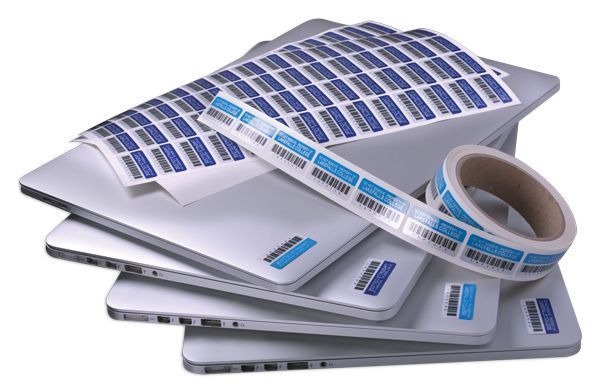
Product packaging has to work harder than ever, with more variants, shorter runs and faster changes to branding or regulatory information. Printing digital labels without traditional plates suits businesses that need flexibility, fine detail and quick turnaround. This article explores why the approach is gaining popularity and how to get the most from it.
Why Businesses Choose Digital Printing
Traditional label printing often relies on plates, which can make small runs expensive and design changes slow. Digital printing removes that step. Artwork goes straight from file to press, so businesses can order smaller quantities, update designs easily and test new products without committing to large volumes. Full-colour printing and variable data, such as batch codes or serial numbers, are also possible.
Ideal Applications
Food and beverage producers, cosmetics brands, health product suppliers and craft manufacturers commonly benefit from this flexibility. Seasonal promotions, limited editions and trial products are particularly well suited, as the label can change without major setup costs. Businesses with many product variants can also print different versions in the same run.
Material and Finish Choices
- Label material: paper and synthetic options suit different environments and product types.
- Adhesive: choose one that suits the surface and temperature conditions, such as refrigeration.
- Finish: gloss, matt or specialty coatings affect appearance and durability.
- Protection: consider moisture, abrasion and handling during transport and storage.
Preparing Artwork
Good results begin with good files. Supply artwork at an appropriate resolution, include bleed where required and keep important text away from the edges. Check that barcodes are clear and meet scanning requirements. Requesting a proof before the full run helps you catch colour, spelling or layout issues early.
Keep Compliance in Mind
Labels often need to carry specific information, such as ingredients, allergens, weights or barcodes, depending on the product. Review the labelling requirements that apply to your industry in Australia and confirm that your design includes everything necessary before printing.
Planning Quantities and Costs
Digital printing is economical for smaller quantities, but it is still worth planning your order carefully. Consider how quickly you use labels, whether designs are likely to change and how much storage space you have. Ordering a sensible amount avoids waste, and ordering regularly allows you to update artwork as your products or requirements evolve.
Working With a Supplier
A knowledgeable supplier can recommend materials, check artwork and advise on printing and application equipment. Share details about your product, packaging and storage conditions so the label you receive performs well in real use.
Final Thoughts
Modern label printing gives businesses more control over how their products look and how quickly they reach the market. By choosing suitable materials, preparing artwork carefully and checking requirements, you can produce attractive, practical labels that support your brand.