
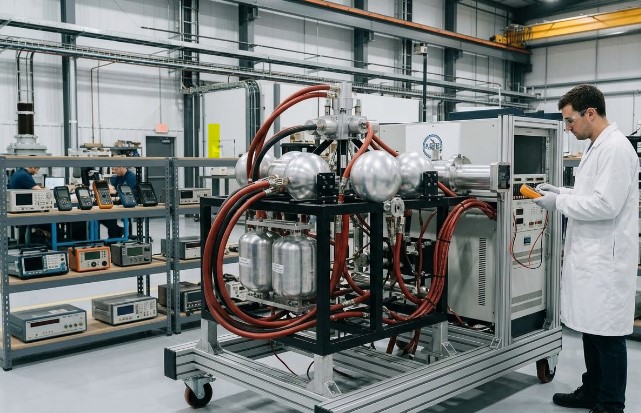
High-voltage electrical systems require careful testing to assess insulation strength, electrical performance, and operational safety. Testing equipment used for these applications needs to be designed according to the technical requirements of the system being evaluated. This is where high voltage tester manufacturers play an important role in developing equipment for laboratories, manufacturing facilities, maintenance teams, and electrical testing environments.
Understanding what these manufacturers provide can help technical teams identify suitable testing equipment based on voltage requirements, test applications, safety features, and measurement capabilities.
What Are High Voltage Testers?
A high voltage tester is an electrical testing instrument designed to apply a controlled voltage to an electrical component or system. The test can help determine whether insulation can withstand a specified electrical stress without excessive leakage or breakdown.
Depending on the application, high-voltage testing may be carried out on:
- Cables and wires
- Transformers
- Motors and generators
- Switchgear
- Electrical panels
- Insulators
- Power supplies
- Other electrical assemblies
The testing method and voltage level vary according to the equipment, testing purpose, and applicable technical standards.
What Do High Voltage Tester Manufacturers Provide?
Manufacturers in this field may develop different types of testing equipment to suit specific electrical applications. The equipment can range from compact instruments for component testing to larger systems designed for industrial and laboratory environments.
Common Equipment Features
Depending on the testing application, high-voltage test systems may include:
- Adjustable test voltage
- Leakage current measurement
- Digital displays
- Automatic voltage control
- Emergency shutdown systems
- Safety interlocks
- Overcurrent protection
- Test timers
- Grounding and discharge arrangements
These features can make testing easier to monitor while helping operators follow defined testing procedures.
How Is the Right Tester Selected?
Selecting suitable high-voltage testing equipment requires more than looking at the maximum voltage rating. The tester should match the characteristics of the equipment being tested and the intended testing procedure.
Important Factors to Consider
- Voltage range: The tester should provide the required voltage range for the intended application.
- AC or DC operation: Some applications require AC testing, while others use DC methods. The appropriate option depends on the test requirements.
- Measurement accuracy: Reliable measurement of leakage current and other electrical parameters is important when assessing test results.
- Safety controls: Emergency stop functions, interlocks, warning indicators, and discharge systems can be important considerations in high-voltage environments.
- Test environment: Laboratory testing, production-line testing, and field testing may require different equipment configurations.
Why Testing Procedures Matter
High-voltage testing involves potentially hazardous electrical energy, so equipment selection and testing procedures need to work together. A technically suitable tester still requires correct installation, operation, grounding, and isolation.
Before starting a test, technicians generally need to inspect connections, establish a controlled testing area, and ensure that unauthorized personnel cannot access the test zone. Once testing is completed, stored electrical energy should be discharged safely before the equipment is approached.
Applications Across Electrical Industries
High-voltage testing can support quality control and maintenance activities across several industries. Manufacturers of electrical products may use these tests to assess insulation during production, while maintenance teams can use appropriate testing systems when examining electrical equipment.
Testing may be relevant during:
- Production quality checks
- Equipment commissioning
- Repair and maintenance
- Insulation assessment
- Product development
- Laboratory testing
- Periodic electrical inspections
The exact procedure should be based on the equipment specifications and relevant standards.
What Should Buyers Look For?
When researching high voltage tester manufacturers, technical teams can assess factors such as product specifications, available voltage ranges, measurement capabilities, safety systems, documentation, and suitability for the intended testing environment.
Clear operating instructions and technical support can also be useful when equipment is being integrated into an existing testing process.
Conclusion
High-voltage testing is an important part of evaluating insulation and electrical performance in many applications. High voltage tester manufacturers develop testing systems with different voltage ranges, measurement functions, controls, and safety features to address varied technical requirements.