
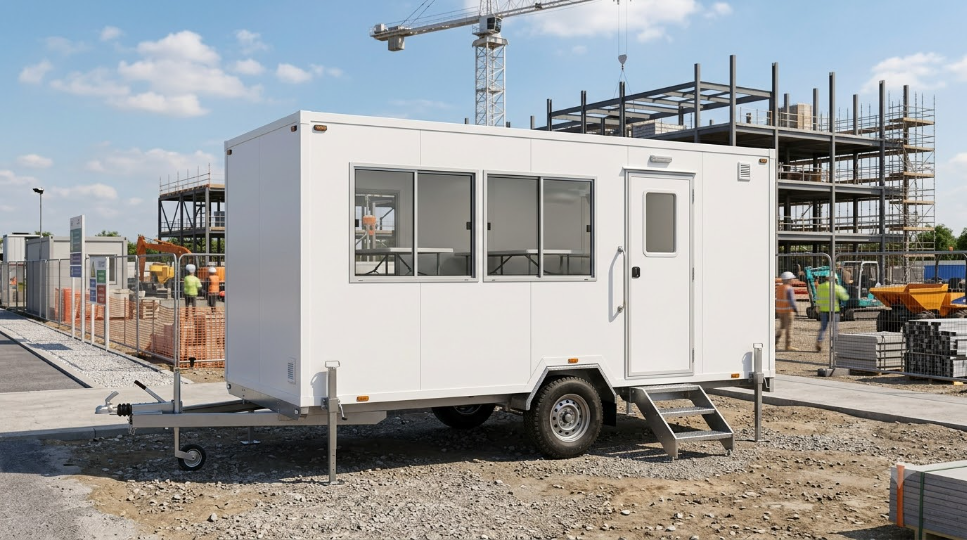
Providing workers with a clean and practical place to take breaks is an important part of managing a well-organised worksite. Construction, mining, infrastructure and remote projects often operate in locations where permanent facilities are unavailable or unsuitable. Portable lunchroom solutions can provide a flexible way to meet these everyday needs without requiring permanent construction.
Why Do Worksites Need Dedicated Lunch Areas?
Workers need a suitable environment where they can enjoy meals, take breaks and step away from active work areas. A dedicated lunchroom can help create a clear separation between work zones and rest spaces.
Having an appropriate facility can also support better site organisation. Workers have a designated location for meals instead of using temporary or unsuitable areas around the project. This can make the overall work environment more practical and comfortable.
What Are Mobile Lunch Rooms?
Mobile lunch rooms are portable facilities designed to provide workers with a dedicated area for meals and breaks. They can be transported to different locations, making them particularly useful for temporary projects and worksites that change over time.
Depending on the unit, facilities may include seating, tables, lighting, ventilation, electrical connections and other practical features. The right configuration depends on the size of the workforce and the intended use of the space.
What Are the Benefits of Portable Lunch Facilities?
One of the main advantages is flexibility. Unlike permanent buildings, portable facilities can be delivered to a project location and potentially relocated when site requirements change.
They can also save businesses from undertaking unnecessary construction work for a temporary facility. Once the project is completed, the unit can be removed instead of becoming a permanent structure that requires ongoing maintenance.
Mobile lunch rooms for hire can also be useful when a business needs additional facilities for a short-term increase in workforce numbers or during a particular stage of a large project.
Where Can These Facilities Be Used?
Portable lunch facilities can be suitable for many industries. Construction sites may use them for workers who spend long hours on developing projects. Civil engineering and infrastructure projects can also benefit when teams work across changing locations.
Mining and remote operations may require dedicated break facilities where access to permanent buildings is limited. Portable units can provide a practical option in these environments.
They can also be useful for temporary events, industrial sites, maintenance projects and other locations where a permanent lunchroom is not practical.
What Should You Consider Before Hiring?
The number of people using the facility should be one of the first considerations. A lunchroom needs enough space for workers to sit comfortably without becoming overcrowded.
Businesses should also consider the available site area and how the unit will be delivered. Access for transport vehicles, ground conditions and placement requirements can affect installation.
Other important factors include ventilation, lighting, power requirements, furniture and general condition. The expected rental period should also be discussed so the facility is available for the required duration.
How Can You Choose the Right Provider?
A suitable provider should offer clear information about available units, delivery arrangements and rental conditions. Businesses should explain their project requirements before selecting a facility.
It is helpful to consider the workforce size, intended use, project duration and available installation area. Asking about relocation or removal options can also be useful when working on projects with changing layouts.
Clear planning can make the hiring process smoother and reduce potential disruptions once the unit reaches the worksite.
Conclusion
A suitable lunch facility can make a worksite more organised and comfortable by giving workers a dedicated place for meals and breaks. Portable options are especially useful for temporary projects, remote locations and sites where permanent construction is unnecessary.
By considering capacity, location, features, accessibility and rental requirements, businesses can select a practical solution that fits their project. A well-planned portable lunch area can become a valuable part of an efficient and worker-friendly site environment.